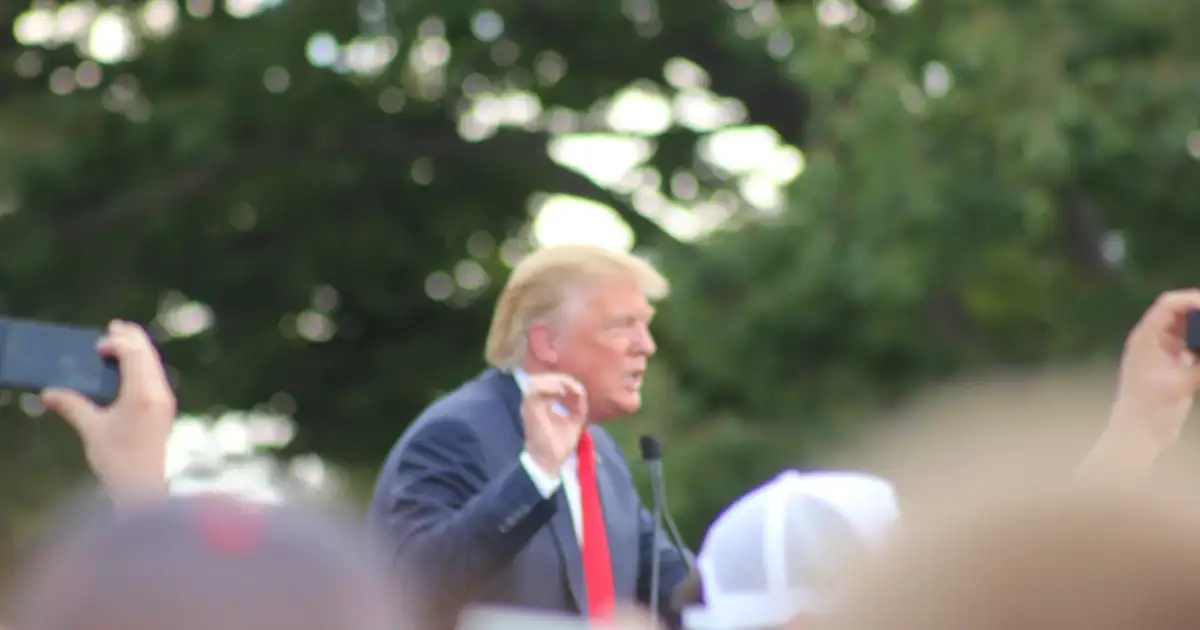

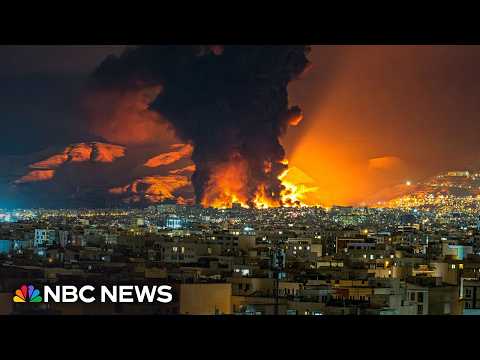
In a stunning declaration that has sent shockwaves across the globe, President Donald Trump announced on June 9, 2026, the abrupt cancellation of planned military strikes against Iran. Speaking to The Washington Post, the President asserted that a US-Tehran deal is “all wrapped up,” a dramatic and unexpected pivot from the brink of active conflict. This pronouncement signals a profound shift in US policy towards Iran, coming amidst an ongoing armed conflict that commenced on February 28, 2026, involving the United States and Israel.
The Strait of Hormuz, a critical maritime choke point, has been a major flashpoint in this volatile military situation. President Trump’s revelation, made public within the last 48 hours, suggests an immediate and significant de-escalation of tensions, though the long-term implications remain deeply uncertain.
The Sudden Turn: A High-Stakes Diplomatic Gamble
This move is characteristic of President Trump’s unconventional diplomatic approach, often bypassing traditional channels for direct, high-stakes engagement.
The administration’s long-standing “maximum pressure” campaign against Tehran now appears abruptly replaced by intense negotiation. White House officials hint the comprehensive deal addresses Iran’s nuclear program, regional proxy activities, and sanctions relief. However, specifics remain tightly guarded. This fuels intense speculation and apprehension among international observers.
This maneuver will undoubtedly be perceived by many as a bold strategic play. Is it a masterstroke designed to avert a wider war, or a dangerous gamble with regional stability? Its true success hinges entirely on intricate details, conspicuously absent from public discourse.
Observers quickly noted this signifies a potential return to a transactional diplomatic style. It prioritizes immediate de-escalation and a perceived “win” over a painstakingly constructed, long-term, multilateral strategy. While avoiding further military escalation is an immediate “win,” the longer-term implications for the Middle East are far less clear, potentially reshaping the geopolitical landscape.
Allies Adrift: Israel and Saudi Arabia’s Profound Alarm
The news of this sudden agreement landed like a diplomatic bombshell among key US regional allies. Both Israel and Saudi Arabia are expected to react with profound apprehension, if not outright alarm. For years, these nations advocated a firm stance against Iran, viewing its ambitions as existential threats. Easing pressure on Tehran, particularly without their involvement, challenges their security interests.
Their deep-seated concerns stem from a palpable sense of exclusion from critical regional negotiations. If this opaque deal grants legitimacy or relief to Tehran, it could undermine their strategic positions. This might force a major realignment of alliances. The critical question becomes: can traditional allies trust US commitments when pivotal decisions are made unilaterally?
European powers, historically favoring diplomacy, will scrutinize terms for robust nuclear safeguards. Regional stability remains their paramount concern. The pervasive opacity inevitably breeds deep mistrust, leaving allies exposed and vulnerable.
The Devil in the Details: What’s Truly “Wrapped Up”?
The alarming lack of specific terms is perhaps the most pressing concern. What concessions, precisely, did the United States make? What has Iran truly agreed to in verifiable terms? Key questions abound:
- Iran’s nuclear program: Does the deal impose verifiable, stringent limits on enrichment, centrifuges, and research, with an intrusive inspection regime?
- Regional proxy activities: Will these destabilizing actions, from Yemen to Lebanon, cease or be significantly curtailed, with mechanisms for enforcement?
- Economic sanctions: Which specific sanctions are to be lifted, and under what conditions and timeline? Is the relief immediate or conditional on compliance?
Domestically, US opposition will undoubtedly hammer the administration on transparency. Critics will question the deal’s durability, demanding to know if it sacrifices long-term security for short-term political expediency. The sheer speed of these negotiations, often indicative of significant compromises, raises immediate red flags.
Such a comprehensive agreement typically requires months, if not years, of intricate diplomacy. Without full disclosure, assessing its true value and long-term viability is impossible for the public and international community. Without transparency, discerning a genuine path to peace from a temporary reprieve becomes conjecture.
A Recalibration of Global Power and Regional Dynamics
This development carries immense global significance, extending far beyond the immediate region. It could signify a substantial reduction in the immediate threat of major military conflict, impacting global oil prices, trade routes, and investment. For the United States, it heralds a potential recalibration of foreign policy, with military commitments in a volatile region possibly shifting. While potentially freeing US resources, this shift raises profound questions about the long-term integrity and reliability of existing alliances.
Economically, easing sanctions could boost Iran’s economy, potentially altering global energy markets. The precise terms of the deal will dictate the extent of this impact. However, underlying geopolitical and ideological conflicts that have long plagued the region persist. This deal attempts to manage these conflicts, not erase their complex history or fundamental drivers. Despite this immediate calm, regional dynamics remain those of a powder keg, ripe for future ignition. President Trump’s willingness to engage directly with adversaries, often surprising observers, underscores his singular foreign policy approach. This latest maneuver fits that established pattern.
Uncertain Future: A New Middle East on the Horizon?
The true impact of this unprecedented deal will unfold only over time, revealing whether it ushers in a period of lasting peace or merely reshuffles the nature of the conflict. The Middle East, with its intricate web of historical grievances and competing ambitions, is rarely predictable. Traditional US allies must now urgently reassess their strategic imperatives, confronting a new regional dynamic where their reliance on Washington for security may well diminish.
The global community watches, holding its breath, as the Middle East stands at a precipice. Its future is inextricably linked to the opaque terms of a deal that promises much but reveals little. What happens if this “all wrapped up” agreement unravels under scrutiny or future pressures? The potential consequences could be catastrophic, plunging the region into an even more dangerous cycle of escalation. The world needs clarity and verifiable commitments. Not just another sudden, enigmatic announcement.
Source: Google News