

What Really Went Down (Back in 2019, Anyway)
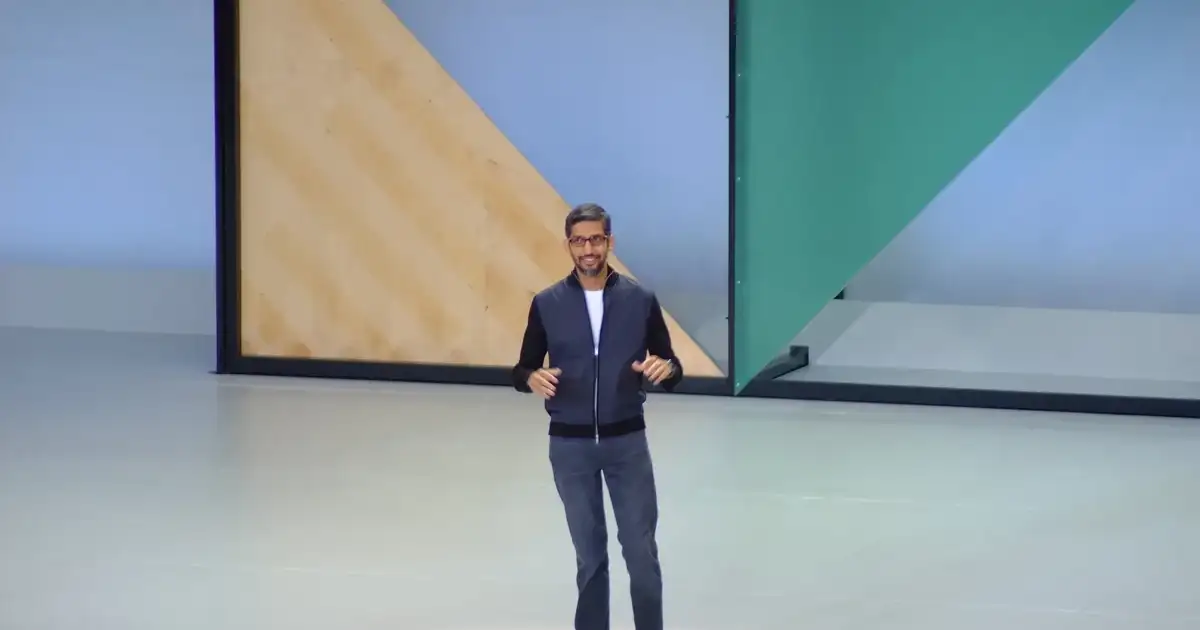
Here’s the deal: Sundar Pichai *did* deliver Stanford’s commencement address. That much is true. But that was way back in 2019. And while there *was* a protest during his speech, let’s be crystal clear: it wasn’t the kind of widespread, hundreds-strong walkout that would constitute a “humiliating moment” on that scale. According to reports from *The New York Times* and *Reuters* at the time, a much smaller, more targeted demonstration unfolded. A group of students – we’re talking a few dozen, not a few hundred – quietly turned their backs to the stage. Their powerful message? They were directly challenging Google’s controversial military contracts and persistent internal workplace issues. It was a protest, absolutely. A bold statement from a dedicated group. But a mass revolt that cleared the stadium? Honey, that’s just not what happened. So, where does this “hundreds walked out” narrative keep coming from? It’s a classic case of the internet doing what it does best: taking a tiny kernel of truth and sprinkling a whole lot of dramatic fairy dust on it. Why are we so eager to believe it? Maybe it’s wishful thinking from those who desperately want to see tech giants held accountable. Maybe it’s just the way sensational headlines grab attention in a crowded digital world, where outrage goes viral faster than facts. Either way, the grand, humiliating spectacle of a mass walkout? That’s more fiction than fact, plain and simple.Why This Story Keeps Getting Recycled
It’s not hard to see why a story like this gets legs, even if it’s wildly overblown. Tech CEOs, especially those at the helm of companies as omnipresent and influential as Google, are practically prime targets for student activism. Think about it: universities like Stanford aren’t just academic powerhouses; they’re hotbeds of progressive thought and intense scrutiny of corporate ethics. Students today aren’t just hitting the books; they’re incredibly savvy about complex, pressing issues like data privacy, the murky waters of AI ethics, corporate responsibility (or lack thereof), and worker rights. They’re watching, and they’re ready to speak up. When a figure like Pichai steps onto that hallowed stage, he’s not just a successful alumnus returning home; he represents a massive, often criticized, and undeniably powerful institution. The very idea of students rejecting that power, even symbolically, is incredibly appealing, isn’t it? It taps into a broader cultural conversation that’s been bubbling for years: how do we hold these tech titans accountable? And can we finally rein in the growing skepticism towards unchecked tech influence that feels more pervasive than ever?Emma’s Red Marker Verdict
Look, I’m all for calling out hypocrisy and digging into the real power dynamics at play. And here’s my unfiltered Red Marker take: The *myth* of hundreds walking out on Sundar Pichai is far more telling than the actual, smaller protest that occurred. It reflects a deeper, widespread, almost desperate desire to see powerful tech figures like Pichai truly challenged. The fact that this exaggerated narrative gained traction, and continues to resurface years later, shows just how dramatically public sentiment has shifted. People *want* to believe that students are rising up en masse against corporate giants, especially when those giants are mired in ethical dilemmas and internal strife. It’s a fantasy we’re all a little too eager to buy into. So, while Pichai didn’t suffer a “humiliating moment” of mass abandonment that day, the persistent *story* of it *is* a humiliation in itself. It’s a glaring spotlight on the deep-seated mistrust and simmering frustration that bubbles beneath the surface when it comes to Big Tech. Students might not have walked out in droves back in 2019, but the *idea* of it — the sheer eagerness to believe it — is a powerful, undeniable indicator of where the public’s patience truly stands. And darling, that’s a reality check far more impactful than any actual walkout, one no CEO, no matter how powerful, can afford to ignore. The stage might not have been empty, but the public’s trust? That’s another story entirely.Source: Google News