
A single death, hundreds sickened, and dozens hospitalized – not by some exotic disease, but by the very chicken we put on our dinner plates. This isn’t just a food safety scare; it’s a national health emergency fueled by deadly, antibiotic-resistant bacteria.
A widespread outbreak of Salmonella enteritidis has swept across the nation. Over 350 individuals are sick, with 120 hospitalizations reported. This crisis spans an alarming 42 states, leaving a trail of suffering and a profound question: how did we get here?

The Silent Killer in Your Kitchen
Federal agencies confirmed the ongoing investigation this week. Cases began in late May 2026 and spiked dramatically in early June. The outbreak remains active, with new reports coming in just days ago, indicating a persistent, unresolved threat.
The Salmonella strain identified is a nightmare for doctors. It shows alarming resistance to multiple common antibiotics, including ciprofloxacin, ceftriaxone, and azithromycin. This isn’t just a minor inconvenience; it’s a critical challenge to our medical arsenal.
This resistance makes treatment dangerously difficult, prolonging illness and increasing the risk of severe outcomes. An elderly patient with existing health issues tragically died, a stark reminder of the severe risk to our most vulnerable citizens and the fragility of our antibiotic defenses.
The Centers for Disease Control and Prevention (CDC) minced no words, stating: “This outbreak lays bare a critical truth: we must be vigilant against antibiotic resistance. It makes treating common infections significantly harder, more dangerous, and sometimes impossible.”
Dr. Lena Hanson, a renowned infectious disease expert, echoed this profound concern, witnessing the direct, harrowing impact in her hospital wards. “When first-line antibiotics, the drugs we rely on daily, fail, we’re forced into desperate measures,” Dr. Hanson explained, her voice tinged with frustration. “We turn to more potent, often more toxic drugs with severe side effects. And sometimes, terrifyingly, we simply run out of effective options. Imagine telling a family there’s nothing left to try.”
This isn’t just about food safety anymore. It’s a direct, insidious threat to our entire medical arsenal, eroding our ability to treat common bacterial infections and pushing us back to a pre-antibiotic era.
Where Is the Accountability?
Epidemiological evidence points squarely to raw chicken products as the source. Yet, federal agencies have not named a specific brand. They haven’t identified a single processing facility either. This silence is deafening, and frankly, unacceptable.
Consumers are left completely in the dark. How can families possibly avoid tainted products without a clear recall? How can they protect themselves when the very source of the danger remains shrouded in mystery? This lack of transparency is not just infuriating; it’s a dereliction of duty.
The public is rightly frustrated, even outraged. Victims have endured prolonged and severe illnesses, many requiring extensive, agonizing hospital stays. Families of the dead demand answers, and more importantly, they demand accountability from those who allowed this deadly product to reach our tables.
This outbreak exposes a gaping, dangerous hole in our food safety system. When a product causes death and widespread illness on this scale, we need immediate, decisive action. We need a recall. We need names. Anything less is a betrayal of public trust.
The Poultry Industry’s Reckoning
The poultry industry is under intense scrutiny, and rightfully so. While no single company has been named, the collective silence from the sector is deafening. Industry representatives often cite the complexity of preventing all contamination, but that excuse rings hollow in the face of such widespread suffering.
But the numbers don’t lie. The CDC estimates a staggering 2.8 million antibiotic-resistant infections yearly in the U.S., leading to over 35,000 deaths. Foodborne pathogens, like the one currently devastating families, are a major culprit in this grim tally.
Salmonella alone causes 1.35 million illnesses each year, leading to 26,500 hospitalizations and 420 deaths. Resistant strains only amplify these terrifying figures, making each infection a roll of the dice.
Chicken is America’s most consumed meat, making it a prime vehicle for pathogens if not handled with the utmost care. The industry’s responsibility extends far beyond merely “cooperating” with investigations; it demands a proactive, fundamental shift in practices.
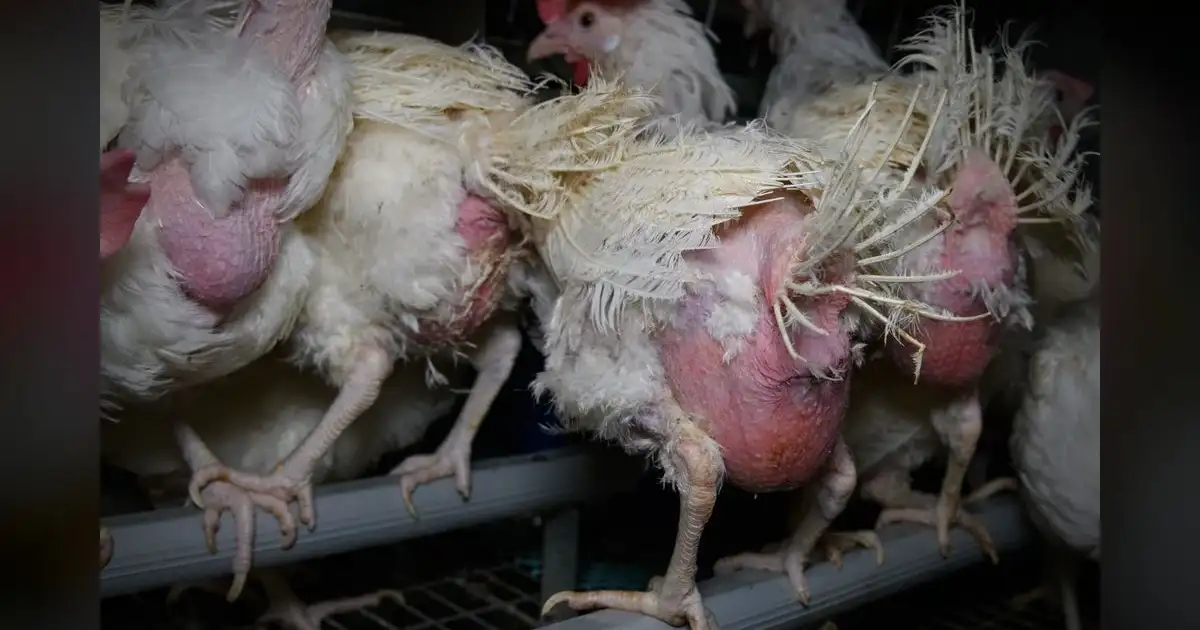
They must implement stronger preventative measures at every stage of production, from farm to processing plant. Crucially, they must curb the rampant overuse of antibiotics in poultry farming – a practice that directly contributes to the very resistance making this outbreak so deadly.
The Real Cost of Our Dinner
The economic fallout from these outbreaks isn’t just massive; it’s a crippling blow to consumer confidence, sending healthcare costs skyrocketing. But the true, immeasurable cost is borne by the human beings whose lives are irrevocably altered or tragically cut short. How do you put a price on that suffering?
This isn’t just about a bad batch of chicken. It’s about a systemic failure. It’s about a food system that, through negligence or prioritizing profit, allows deadly bacteria to thrive and spread. It’s about a fundamental imbalance where public health is sacrificed for the bottom line.
Public health officials rightly stress the importance of safe food handling. Consumers must cook chicken thoroughly. They must avoid cross-contamination in their kitchens. These are crucial steps, yes, but they are not the ultimate solution.
The primary burden should not fall solely on the consumer to navigate a potentially dangerous food supply. The industry must deliver safe products, period. Regulatory bodies must ensure strict oversight, enforce rigorous standards, and act swiftly and transparently when outbreaks occur. Their inaction is as dangerous as the bacteria itself.
This isn’t merely a stark warning; it’s a thunderclap. We cannot afford to ignore the accelerating crisis of antibiotic resistance. We must not accept a food supply that sickens, hospitalizes, and kills our loved ones. The time for real, systemic change is now – not tomorrow, and certainly not with more empty promises. Our health, and our future, depend on it.
Photo: Copyright 2009
Source: Google News