
Let’s be clear, folks: Washington just fumbled the ball on the biggest diplomatic stage, and the US-Iran “peace deal” isn’t just a bad play call—it’s a catastrophic strategic blunder. In the last 48 to 72 hours, the alarm bells have been ringing louder than a stadium full of angry fans, with Republican lawmakers, Israeli officials, and Gulf Arab states all screaming from the sidelines. They see Tehran getting far too many concessions, gaining critical yardage on the diplomatic field while we concede the game.
The Ongoing Conflict and a Dubious Deal
Make no mistake, folks. The scoreboard isn’t showing peace; it’s flashing ‘ongoing conflict’ in neon lights. As of April 2026, the United States and Israel are still trading blows with Iran; military strikes are a grim reality, and the Strait of Hormuz remains a powder keg, a choke point where global stability hangs by a thread. This isn’t some historical footnote; it’s our present reality.

And yet, here we are, watching a so-called “peace deal”—a cynical misnomer if there ever was one—lurch towards finalization. This isn’t about ending the war; it’s a desperate, ill-conceived diplomatic maneuver executed during wartime.
The seasoned players, the ones who truly understand Iran’s game plan, are shouting themselves hoarse from the sidelines. They know Iran’s M.O.: always push the boundaries, always demand more, always exploit weakness. This deal, my friends, is a masterclass in letting them do exactly that.
By June 17, 2026, the alarm bells weren’t just ringing; they were screaming. Any analyst worth their salt, anyone who has studied Iran’s long game, could see the writing on the wall: Washington is not just making a mistake; it’s committing a strategic foul that will cost us dearly, both in blood and treasure.
The Five Passages: Iran’s Power Play
Forget the grand pronouncements; the devil, as always, lurks in the fine print—or, in this catastrophic case, in these five insidious passages. This isn’t just about critics pointing out flaws; it’s about a deal so lopsided, it feels like our own coaching staff drew up the perfect game plan… for the opposing team.
Here are the five passages that are drawing the most yellow flags, each one a concession that emboldens Tehran rather than holding them accountable:
- Weak Nuclear Program Restrictions: Listen up: The restrictions on Iran’s uranium enrichment aren’t just ‘lenient’; they’re a joke. Timelines are short and loopholes are wide, letting Iran keep its nuclear program on the fast track. It’s like handing them the keys to the atomic highway.
- Excessive Sanctions Relief: This deal isn’t just offering economic relief; it’s a massive cash infusion. Billions will flow directly into the coffers of Iran’s terror proxies, fueling Hezbollah’s rockets and arming the Houthis. This isn’t just giving the opponent a fresh set of downs; it’s a full-blown financial bailout.
- Failure to Curb Regional Destabilization: The deal utterly fails to address Tehran’s unwavering support for terror groups like Hezbollah and the Houthis. These aren’t minor league players; they’re Iran’s shock troops, actively tearing apart the Middle East. Washington isn’t just ignoring a huge threat; it’s giving them a green light.
- Flawed Verification and Inspection Regimes: The ‘verification’ regime is a sham. Monitoring protocols for Iran’s nuclear sites are insufficient, granting inspectors only limited access. This isn’t a missed foul; it’s like the referee being paid off by the opposing team.
- Dangerous Sunset Clauses: The ‘sunset clauses’ are the ultimate betrayal, a guaranteed path to disaster. Key restrictions on Iran’s nuclear program don’t just ‘expire’; they vanish. This isn’t just setting a timer; it’s actively building the bomb for them, then handing them the detonator.
A Risky Bet on the Global Stage
This isn’t a strategic move; it’s a desperate, ill-advised Hail Mary pass from our own 1-yard line, a high-risk, low-reward gamble with virtually no chance of success. The critics aren’t just making noise from the cheap seats; they’re the seasoned coaches and scouts, pointing out the clear, undeniable strategic blunders that will haunt us for generations.
As one prominent security expert, speaking to Reuters, recently warned,
“Iran has a long history of pushing boundaries. This deal provides them with new avenues to do just that. We’re handing them the playbook.”And he’s absolutely right. We’re not just giving them the playbook; we’re drawing up the winning plays for them.
The skepticism from Republican lawmakers isn’t just ‘deafening’; it’s a unified roar of disbelief. Israeli officials aren’t just ‘sounding alarms’; they’re screaming ‘Code Red’ from the rooftops. Our Gulf Arab allies don’t just ‘feel exposed’; they are exposed, left vulnerable on the front lines.
These nations have been on the receiving end of Iran’s aggressive, destabilizing tactics for decades. They know Iran’s game better than anyone, having played defense against it every single day. They’ve seen the blitzes, the trick plays, the dirty fouls.
Yet, Washington, in its infinite wisdom, seems intent on ignoring these critical warnings, dismissing them as mere partisan squabbling. It’s like a head coach, down by three touchdowns in the fourth quarter, refusing to listen to his defensive coordinator’s desperate pleas. The consequences won’t just ‘be devastating’; they will be catastrophic, a self-inflicted wound that will cripple our strategic position for years to come.
The Cost of Concessions
So, what’s the real price tag of this disastrous deal? It’s far more than just political capital. It costs us critical leverage, stripping away our ability to negotiate from a position of strength.
It obliterates our credibility on the global stage, signaling to every rogue nation that aggression pays. Most dangerously, it torpedoes any hope for regional stability, throwing gasoline on an already raging fire.
By offering broad, sweeping sanctions relief, we aren’t just being magnanimous; we are actively, knowingly funding Iran’s most destabilizing activities. We are handing them the financial resources—the very fuel—they need to escalate their proxy wars, to arm their militias, and to sow chaos from Beirut to Sana’a. Let’s be brutally honest: This isn’t a path to peace; it’s a shakedown, a protection racket where we pay the aggressor to temporarily dial down their violence, knowing full well they’ll just re-arm and come back stronger.
And those ‘weak inspection regimes’? They’re not just a joke; they’re a cruel farce. They offer a dangerous, false sense of security, lulling us into complacency while Iran meticulously exploits every single loophole, every blind spot, every moment of perceived weakness. They won’t just ‘advance their nuclear program under our noses’; they’ll sprint towards a bomb, openly mocking our impotence, because that, folks, is their proven modus operandi.
The sunset clauses, my friends, are the ultimate capitulation, a surrender disguised as diplomacy. They don’t just ‘guarantee’ that Iran will eventually be free to pursue its nuclear ambitions; they schedule it, setting a countdown clock to a nuclear-armed Iran. This deal isn’t a permanent solution; it’s a strategically disastrous timeout, a temporary pause at best, designed solely to favor Tehran, allowing them to regroup, re-arm, and prepare for the final, devastating play.
Who Benefits from This Agreement?
Let’s cut through the diplomatic doublespeak and call it what it is: This deal is a monumental win for Tehran. They walk away with billions in sanctions relief, a de facto green light for their regional destabilization, and a clear, sanctioned pathway to becoming a nuclear threshold state. They don’t just get to keep their playbook; we’ve essentially handed them the championship trophy before the game even started.
But who, then, is left to pick up the pieces? The United States loses its global influence, its moral authority, and its strategic leverage. Israel, our staunchest ally, loses its fundamental security, facing an existential threat emboldened by our weakness.
Our Arab allies lose their trust in Washington, seeing us abandon them to the wolves. The international community loses face, demonstrating that persistent aggression and deception are not just tolerated, but actively rewarded. This deal doesn’t just set a dangerous precedent; it screams to every rogue regime: ‘Push hard enough, wait long enough, and America will fold.’
This isn’t a peace deal, folks; it’s a unilateral surrender, a concession package gift-wrapped for our adversaries. Washington isn’t just ceding ground; it’s abandoning the field entirely when it should be digging in for a goal-line stand.
Mark my words: When Iran inevitably makes its next, bolder move, America will not just regret this weak defense. It will pay for it in blood and tears. And the scoreboard will show a loss that could have been avoided.
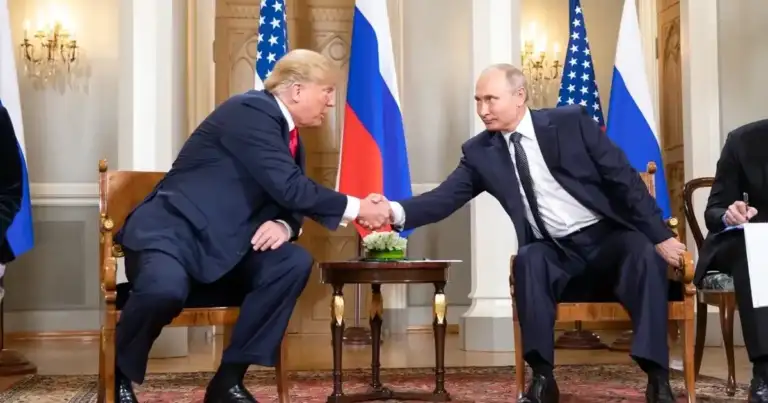
Photo: Wiki User Monfie
Source: Google News