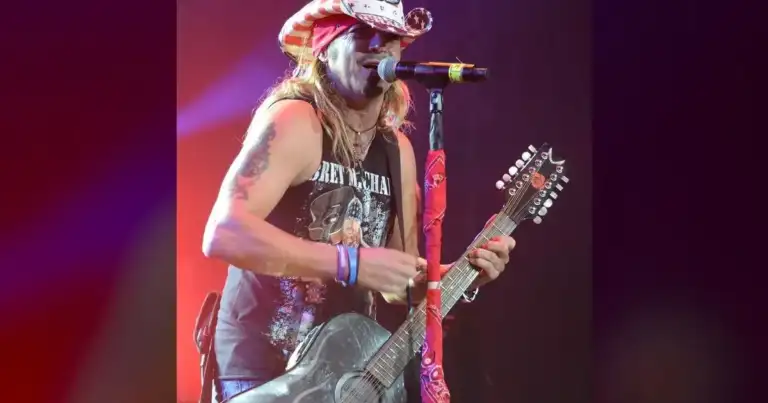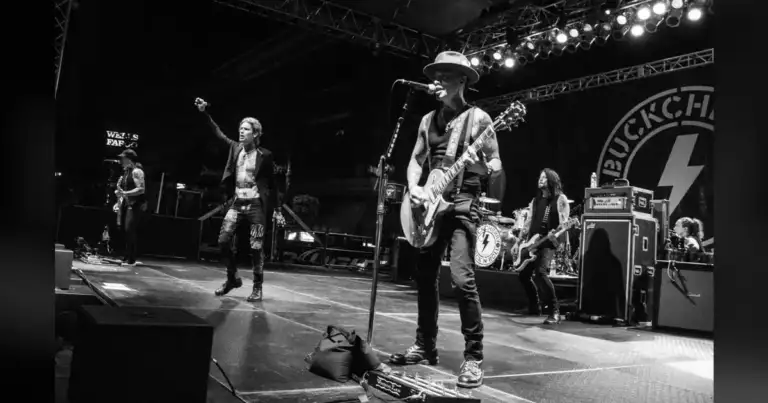

The lights, the roar of 90,000 fans, the electric energy of a sold-out Wembley Stadium. For Harry Styles, on June 25, 2026, it nearly turned into a nightmare.
In the middle of a scorching 37°C London heatwave, the pop idol stumbled, clutched his throat, and collapsed to his knees, visibly choking on water. This public incident was a stark reminder: even global superstars aren’t immune to extreme heat and dehydration. If it can happen to him, what about the rest of us?

Styles’ quick recovery and return to the stage within 15 minutes highlighted his resilience. However, the incident ripped the lid off a simmering crisis: increasingly dangerous conditions for performers and concert-goers alike. Venue safety protocols are failing to adapt to a rapidly heating world.
The Hidden Toll on the Stage
Performing a high-energy set for hours under blistering heat is a feat of extreme athleticism. Dehydration isn’t just about feeling thirsty; it’s a silent saboteur that impairs cognitive function by 10-15% and slashes physical endurance.
For a performer like Styles, whose livelihood depends on peak physical and mental agility, this is a direct threat. Dr. Anya Sharma, an emergency physician, didn’t mince words on BBC News:
“Choking can be exacerbated by dehydration, and the body’s ability to recover from any physical stress is severely compromised in 37-degree heat. This incident is a stark warning.”
Styles’ representatives quickly attributed the scare to “a momentary lapse compounded by the intense heat and dehydration.” This is a convenient explanation, but it doesn’t absolve the industry.
Artists are pushed to their limits with grueling schedules. Now, a changing climate adds another layer of existential risk. This isn’t just about one pop star; it’s about a systemic failure to protect the talent driving this multi-billion-dollar industry.
Concert Safety in a Warming World: Are Venues Doing Enough?
While the focus often lands on the performer, let’s not forget the 90,000 people packed into Wembley. The same heat that threatened Styles jeopardized every single fan. Heat-related illnesses at large outdoor events have surged by 20% over the last decade, a direct correlation with rising global temperatures. Yet, venues like Wembley, for all their grandeur, often lag in their preparedness.
Wembley Stadium management issued a boilerplate statement about “reviewing procedures” and increasing water stations. It’s the usual song and dance.
Many older venues lack the fundamental infrastructure—sufficient cooling, ample shaded areas, and truly free, abundant water sources—to handle modern heatwave intensities.
Experts are increasingly demanding mandatory safety protocols: enforced hydration breaks for performers, transparent communication of heat risks to attendees, and a dramatic increase in medical staff. Public health officials should also have the power to mandate event cancellations when temperatures cross undeniable danger thresholds, rather than leaving the decision solely to promoters chasing ticket sales.
This incident is a blaring siren for all of us. Whether you’re a pop star, a construction worker, or just trying to enjoy a summer day, extreme heat is a clear and present danger. Prioritize hydration. Recognize the symptoms of heatstroke—dizziness, nausea, confusion. Don’t wait for your body to collapse before you take it seriously.
Red Marker Verdict
Let’s be brutally honest. Harry Styles’ scare at Wembley wasn’t a random accident; it was a predictable outcome of a system that prioritizes profit and spectacle over basic human safety.
Promoters and venues rake in millions, yet often drag their feet on implementing robust, modern safety protocols until a high-profile incident forces their hand.
The “reviewing our procedures” statement is corporate speak for “we’ll do the bare minimum to avoid a lawsuit, and maybe, just maybe, install a few more water fountains if the PR hit is bad enough.” The hypocrisy is palpable: they exploit the artist’s drive and the fans’ devotion, all while underinvesting in the fundamental infrastructure needed to protect them from increasingly common environmental threats. This isn’t about care; it’s about crisis management, and unfortunately, the crises are only going to multiply.
Source: Google News