
Caracas, Venezuela – The earth did not merely tremble; it tore through the very fabric of Venezuela, exposing decades of systemic neglect and amplifying a profound national crisis. On Wednesday, June 24, 2026, two catastrophic seismic shocks, registering magnitudes 7.2 and 7.5, ripped across the nation. They left an apocalyptic landscape of pulverized concrete and shattered lives.
As Friday dawned, the official death toll tragically surpassed 1,430. This grim statistic, while devastating, pales against the chilling reality of nearly 70,000 people reported missing. This is not just a natural disaster; it is a brutal reckoning, a national collapse unfolding in plain sight.

Its severity is magnified by years of economic decay, political isolation, and infrastructural atrophy.
A Nation’s Fragility Exposed
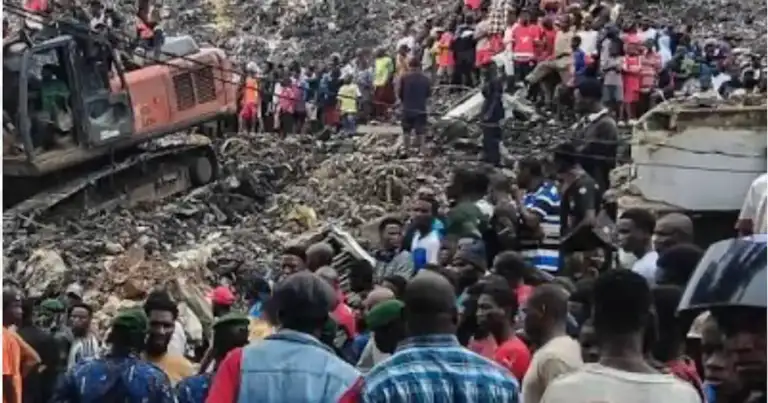
The immediate aftermath paints a stark picture of devastation. Entire city blocks have pancaked, communication networks are severed, and critical infrastructure lies in ruins across multiple states.
Rescue operations, spearheaded by military and civil protection units, are a desperate struggle against insurmountable odds. The sheer volume of debris and inaccessible remote areas diminish hope for tens of thousands believed trapped.
To attribute this solely to an act of nature misses the crucial point: Venezuela’s pre-existing fragility amplified this catastrophe exponentially. Years of chronic underinvestment, corruption, and economic mismanagement left the nation’s infrastructure brittle.
Emergency services are woefully underfunded, and its social fabric stretched to a breaking point. What might have been a severe challenge for a robust state becomes an existential crisis for a nation already teetering on the brink.
Its capacity for resilience has long been eroded.
The Geopolitics of Desperation and Aid
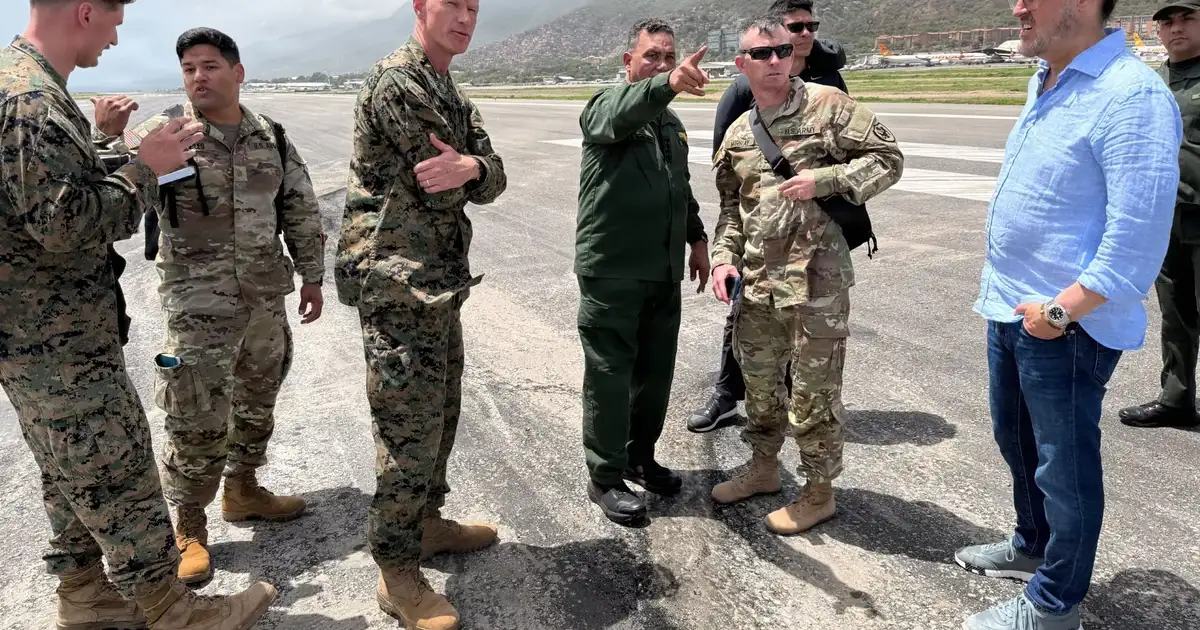
In the face of an unprecedented domestic catastrophe, President Nicolás Maduro’s government predictably declared a national state of emergency. Its immediate appeal for urgent international humanitarian assistance is a stark, implicit admission of its incapacity to cope unilaterally.
Priorities are clear: search and rescue, critical medical aid, emergency shelter, and the arduous restoration of basic services. Yet, delivering this aid is anything but simple.
Venezuela has long been a pariah state, subject to extensive international sanctions, primarily from the United States and its allies. These sanctions aim to exert pressure on the Maduro regime.
While humanitarian exemptions theoretically exist, the logistical and political hurdles are immense, raising a complex diplomatic calculus.
Donor nations will undoubtedly scrutinize aid distribution, fearing diversion or politicization by a government known to bolster its support base with such resources. Can humanitarian imperative truly override long-standing geopolitical antagonism?
Will the Maduro regime, in its profound weakness, genuinely facilitate unimpeded relief? Or will it leverage suffering for political gain, perhaps seeking broader sanctions relaxation under humanitarian pretext?
Many international observers contend the government’s urgent plea is not merely humanitarian. It is a calculated gambit to force the international community’s hand, leveraging populace suffering to potentially ease sanctions or secure a lifeline for a regime on the ropes.
Desperation mounts in affected communities, where food, water, and medical supplies are critically low. This leaves little room for political maneuvering, yet the history of such interventions suggests it is an inevitable and often tragic dimension.
The Unaccounted, Unseen, and Generational Costs
The official death toll, staggering at 1,430, indicates immediate loss. However, 70,000 people reported missing paints a far grimmer, more enduring picture.
This is not just about bodies to be recovered; it signifies potentially entire communities vanished. Families are shattered beyond recognition, creating a demographic void that will haunt Venezuela for generations.
What does it mean for a society when tens of thousands simply disappear, swallowed by the earth? The psychological trauma inflicted upon millions—survivors, those searching for loved ones, and the nation as a whole—will be profound and long-lasting.
This trauma demands resources for mental health support that are virtually non-existent.
The long-term implications are catastrophic. Rebuilding will require resources Venezuela did not possess, even before the quakes.
The economic impact will be profound, further decimating an already crippled nation. It will destroy what little productive capacity remained, pushing millions deeper into poverty.
Social stability, already tenuous, will be severely tested by mass displacement, potential internal migration, and the sheer scale of human suffering. The international community, while responding to the immediate crisis, must also grapple with supporting a multi-decade recovery effort.
This effort is needed in a nation whose governance structures are fundamentally compromised. This is not a short-term fix; it is a generational challenge that exposes the profound human cost of state failure exacerbated by nature’s fury.
As the world watches, the question remains: Can a nation so deeply fractured, and a government so strategically isolated, ever truly rebuild from such a cataclysm? Or will this disaster merely solidify its tragic trajectory?
Source: Google News