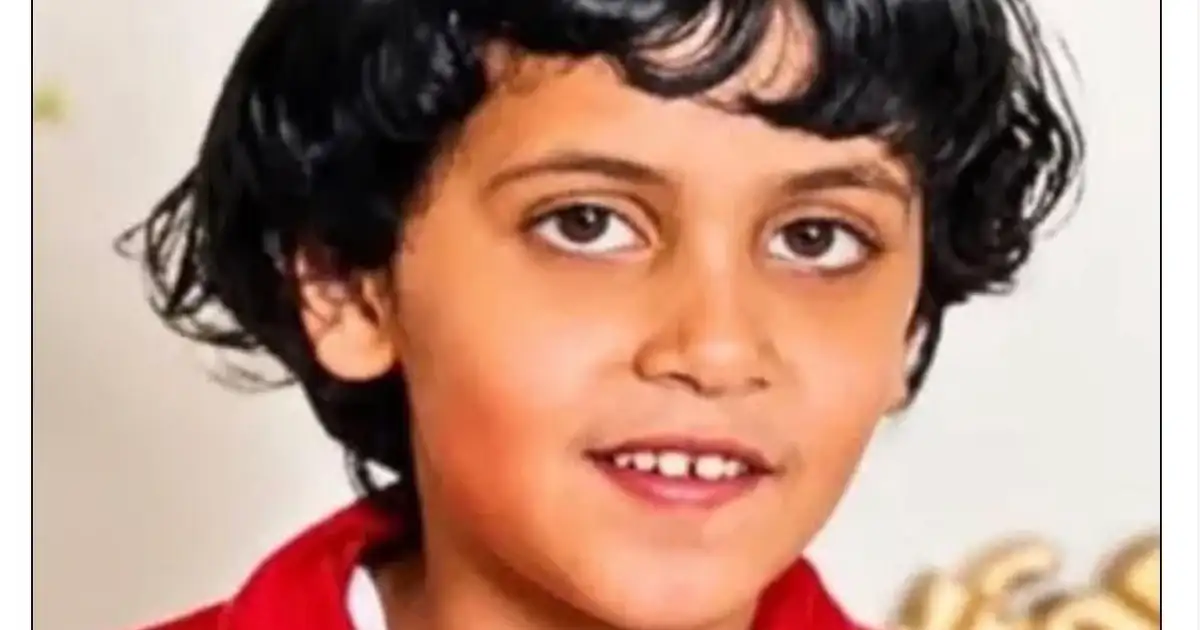

When a tragedy of this magnitude strikes, it doesn’t just make headlines; it rips the heart out of a community. A small town near Albany is currently enduring that brutal reality, reeling from the devastating discovery of the local mayor’s 7-year-old nephew, found tragically dead early Monday morning. This isn’t just news; it’s a gut punch that has left an entire community breathless, grappling with a profound loss that defies comprehension.
A Community Blindsided: The Unseen Blitz
When a tragedy like this slams into a community, it’s an unseen blitz, a defensive lineman coming through untouched, leaving everyone scrambling. No one saw it coming. The shockwave doesn’t just ripple; it rips through every home, every school, every local business, leaving a trail of stunned silence and disbelief.

A child, barely seven years old, gone. Just like that. This isn’t a statistic; it’s a gaping wound. It’s the kind of loss that forces every parent to clutch their children tighter, to stare into their eyes and whisper a silent prayer. It makes every neighbor cast a worried glance, wondering about the darkness that could descend upon their own doorstep.
Small towns aren’t just collections of houses; they’re intricate formations, operating like a tight-knit football team. Everyone knows everyone’s position, their strengths, their weaknesses. They depend on each other, a shared bond of trust and familiarity. An event of this magnitude doesn’t just shatter that sense of security; it obliterates it, leaving behind a fragile vulnerability.
The usual rhythm of life — the morning coffee, the school bell, the evening chatter — doesn’t just grind to a halt; it ceases to exist. There are no easy answers, no comforting platitudes. There is only raw, collective grief, heavy and suffocating, hanging over every street corner like a thick fog.
The Silent Game: The Relentless Drive for Answers
Behind the scenes, the silent game is on, and the stakes couldn’t be higher. Law enforcement isn’t just working; they’re engaged in a relentless, unforgiving drive for answers. Investigators are combing through every detail, every shadow, every potential clue with the precision of a surgeon and the tenacity of a linebacker.
The pressure isn’t just immense; it’s crushing. Every eye in this grief-stricken town is fixed on them, demanding clarity, demanding justice. They don’t just need to figure out what happened; they must. The very soul of the community depends on it.
Was this a tragic accident, a heartbreaking misstep? Or is there foul play lurking in the shadows, a sinister force that has invaded their peaceful existence? These aren’t just questions; they are corrosive doubts, tearing at the very fabric of trust and safety. The silence from officials, while agonizingly deafening, is a necessary, tactical part of this painstaking process. They can’t afford a misstep.
Every piece of evidence, no matter how small, is crucial. Every lead, no matter how faint, must be followed with unwavering determination. This isn’t a quick sprint to the end zone; it’s a grinding, methodical, yard-by-yard drive down the entire length of the field, with the clock ticking and an entire town holding its breath.
The Mayor’s Unbearable Burden: A Leadership Crucible
Imagine, for a moment, stepping into the shoes of the mayor of this small town. You’re not just an administrator; you’re the de facto coach, the unwavering leader, the public face of your community. Now, in a cruel twist of fate, your own family has been blindsided by this unspeakable tragedy, your 7-year-old nephew gone too soon.
The mayor isn’t just facing a difficult situation; they are trapped in an impossible crucible. On one hand, the raw, personal anguish of grieving a child, a member of their own bloodline. On the other, the crushing public duty to lead a town consumed by collective grief, fear, and uncertainty. There’s no playbook for this.
This isn’t merely a challenge; it’s a brutal two-minute drill, with the game on the line. Public duty clashes violently with private sorrow, creating an internal conflict that would buckle lesser individuals. The spotlight isn’t just on them; it’s burning, relentless, whether they want it or not.
Every decision, every public utterance, every strained smile will be scrutinized, dissected, and judged by a community desperate for answers and reassurance. How does one possibly balance the gut-wrenching pain of losing a beloved nephew with the absolute imperative to project strength, stability, and control? It’s a tightrope walk over an abyss.
This isn’t a leadership challenge anyone wants to face; it’s one thrust upon them, demanding a level of resilience, fortitude, and emotional toughness that few could ever truly possess. The community isn’t just watching closely; they’re hanging on every word, every gesture, searching for a sign that their leader can navigate this darkest of hours.
The Lingering Questions: Beyond the Scoreboard
While the immediate focus remains squarely on the investigation – the relentless pursuit of facts and accountability – the questions haunting this town cut far deeper than any score on a board. Beyond the legal proceedings, what tangible support, what enduring solace, will the grieving family truly receive?
How does a town, particularly one so interconnected, even begin to heal from something so profoundly shattering? The wound is raw, fresh, and bleeding now. But the emotional and psychological scars, make no mistake, will last a lifetime, etched into the collective memory of every resident.
Parents aren’t just talking to their children; they’re grappling with how to explain the inexplicable, how to shield young minds from a harsh reality that has invaded their safe bubble. Schools are preparing for difficult, heartbreaking conversations, attempting to navigate a landscape where the innocence of childhood has been irrevocably, brutally altered. A generation of kids in this town will grow up knowing this tragedy.
This isn’t merely about finding answers to a crime or an accident. It’s about finding a viable, sustainable way forward. It’s about painstakingly rebuilding trust, not just in institutions, but in the very idea of safety and community, where it has been so violently broken.
Gus Callahan’s Sideline Assessment: The Ultimate Test
Look, let’s be blunt: this is the brutal, unvarnished reality of small-town life laid bare. When something good happens, the entire community celebrates, united in joy. But when something this horrific strikes, every single person feels the impact, a collective gasp that echoes through every home. There’s no hiding from it, no turning away.
For the mayor, this isn’t merely a personal tragedy; it’s a crucible, the ultimate test of leadership under the harshest fire imaginable. The town doesn’t just need answers; they desperately need a steady hand, a clear voice, and a tangible sense of direction in this bewildering darkness. They need someone to guide them through the fog.
The optics are beyond tough; they’re agonizing. The mayor’s office, typically a symbol of civic order, is now inextricably intertwined with unspeakable grief. Every public statement isn’t just a press release; it’s a precarious tightrope walk over an emotional chasm, where every word carries immense weight and potential for misinterpretation.
The real play here isn’t just for justice for a tragically lost child, as vital as that is. It’s for the very survival of the community’s spirit, its collective will to endure. This team — this town — needs to huddle up, acknowledge the pain, find its deep-seated resolve, and push through this dark period, together. Failure is not an option.
The clock isn’t just ticking for the investigation; it’s ticking for the heart of this community. The town demands clarity, yes, but also a path to healing. And the mayor? They face the ultimate test, a leadership challenge that will define their tenure: balancing the crushing weight of personal anguish with the unwavering demands of public responsibility. The game is on, and the stakes couldn’t be higher.
Photo: Wikimedia Commons (query: Every nephew)
Source: Google News