
President Donald Trump just called a high-stakes play on the global gridiron, launching targeted airstrikes against Iran-backed militias after a “dangerous” ceasefire violation. This wasn’t merely a skirmish; it was a brutal hit, a moment of truth that sent shockwaves through the Middle East and beyond. Peace, already hanging by a thread, now teeters on the brink, leaving the world to wonder: Did this strike push us closer to full-scale war, or was it a crucial defensive maneuver to stabilize a dangerously shaky truce? The immediate market reaction tells part of the story, with oil prices spiking a modest but telling 1.5% to approximately $82 per barrel on June 26, reflecting the raw anxiety gripping global energy markets.
The sequence of events unfolded rapidly, a tactical exchange that demands close scrutiny. On June 23, a drone attack struck a U.S. military advisory outpost near the Iraqi border, a critical installation where around 200 U.S. military personnel and contractors were stationed. The damage wasn’t just cosmetic; equipment took significant hits, and two U.S. personnel suffered minor injuries. The perpetrators? Iran-backed militias, a familiar and infuriating foe.

Hours later, on June 24, the Trump administration authorized its powerful counter-punch. Retaliatory airstrikes hammered several sites in eastern Syria, specifically targeting facilities utilized by those same Iran-backed militias. This was no symbolic gesture. Initial assessments confirm significant damage to three key facilities: an arms depot and two command centers. President Trump, ever the decisive leader, addressed the nation from the Oval Office on June 25, laying out his strategic rationale.
Trump’s Escalation Playbook: Peace Through Strength
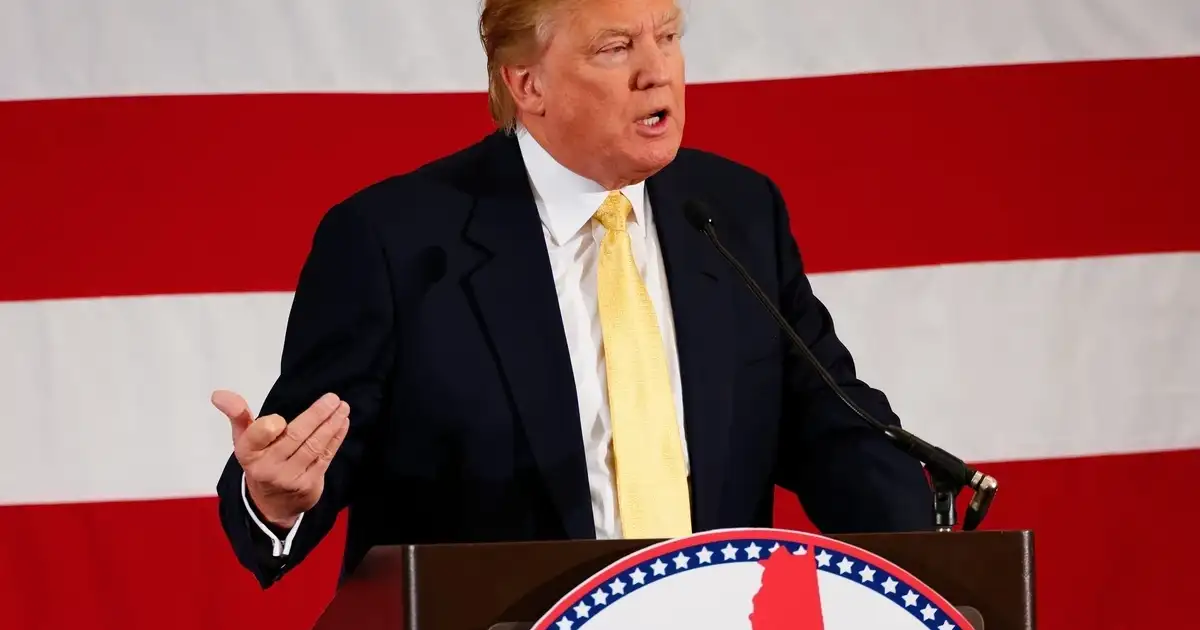
From the Oval Office, President Trump didn’t mince words. He branded the strikes “necessary and proportionate,” asserting their vital role in protecting American interests and personnel abroad. His message was unmistakably clear, a classic “peace through strength” play: “Peace requires strength, and violations will not go unanswered.” This isn’t just rhetoric; it’s a playbook in action, a demonstration that the U.S. will not be pushed around.
The ceasefire itself, brokered earlier this year by Oman, was always a fragile agreement, designed to cool regional tensions and pave the way for talks on Iran’s nuclear program and proxy actions. But like a weak offensive line, it just got blown up by a direct hit. This incident isn’t merely a test of that agreement; it’s a seismic tremor that threatens to shatter it entirely.
“Peace requires strength, and violations will not go unanswered. We will always protect our personnel and our interests abroad. This was a necessary and proportionate response.” — President Donald Trump, June 25, 2026
Iran’s Foreign Ministry, predictably, wasted no time condemning the U.S. action, labeling it a “provocative act of aggression” and a blatant violation of Syrian sovereignty. The Islamic Revolutionary Guard Corps (IRGC) convened an emergency meeting, a clear signal of the gravity of the situation. While no immediate counter-moves have been announced, make no mistake: the clock is ticking, and the world is watching Iran’s next play. Is this a moment for calculated restraint, or will they double down on escalation?
“The American aggression against Syrian sovereignty is a clear violation of international law and a provocative act that destabilizes regional security. Iran reserves the right to respond to any threats against its interests or allies.” — Iranian Foreign Ministry Spokesperson, June 25, 2026
Meanwhile, U.S. Secretary of State Michael Vance immediately got on the horn, engaging in a flurry of calls with key regional allies, including Saudi Arabia and Israel. His mission: reaffirm Washington’s unwavering commitment to regional stability and deliver a stern warning against further Iranian provocations. The entire region is holding its breath, caught between the promise of a fragile peace and the specter of all-out conflict.
Can the Ceasefire Hold the Line? A Tactical Analysis
The burning question on every analyst’s mind is whether these strikes will trigger a wider war, or if the ceasefire, battered and bruised, can still be salvaged. It’s like a coach’s fourth-quarter decision: Do you go for it on fourth down, risking everything, or do you punt and play for field position? Trump went for it, and now we await the opponent’s response.
The U.S. strikes were meticulously “targeted” and “proportionate,” hitting proxy facilities rather than directly striking Iranian soil or major Iranian military assets. This wasn’t a wild Hail Mary; it was a precision pass, signaling a clear intent to deter future aggression, not to launch full-scale conflict. It was a warning shot across the bow, a tactical reminder that lines exist, and crossing them carries severe consequences. Washington is playing a dangerous game of chicken, daring Tehran to blink first.
Iran, for its part, has shown a degree of restraint so far. Despite the fiery rhetoric emanating from Tehran, no direct military retaliation has been announced. This suggests that even Iran, for all its bluster, might also be keen to avoid a broader, more devastating war. Both sides are currently testing boundaries, pushing the envelope without, crucially, crossing the red line into total conflict. It’s a high-stakes poker game where neither player wants to show their hand too early.
“Iran and its proxies must understand that the United States will not tolerate attacks on our forces or the blatant disregard of agreed-upon ceasefires. Our commitment to de-escalation is firm, but it is not limitless.” — U.S. Secretary of State Michael Vance, June 25, 2026
Crucially, diplomatic channels, though strained to their breaking point, remain open. Secretary Vance’s ongoing calls and continued engagement with Oman are critical lifelines in this volatile situation. These efforts, however tenuous, are still active, aimed at de-escalation. The lines of communication are live, barely, but they offer the slimmest hope for averting a wider conflagration.
However, let’s be brutally honest: the ceasefire is now extremely fragile. The Oman-brokered agreement has faced multiple tests, with previous minor provocations straining its integrity. This latest incident, however, makes its long-term survival critically uncertain. It’s clear that stronger enforcement mechanisms, perhaps even a complete renegotiation with clearer red lines, are not just needed, but absolutely essential if this truce is to have any hope of holding.
The Stakes on the Global Gridiron: A Reckoning
This latest exchange proves, beyond a shadow of a doubt, just how precarious peace is in the Middle East. For everyday people, this isn’t abstract geopolitics; it means potential instability, economic uncertainty, and the ever-present threat of wider conflict. Global energy markets, always sensitive to regional tremors, reacted immediately. As mentioned, oil prices saw a modest but significant 1.5% increase, reaching approximately $82 per barrel on June 26. This isn’t just a number; it reflects market anxiety, a harbinger of potentially higher gas prices and broader economic uncertainty for consumers worldwide.
Regionally, the threat of a broader conflict looms like a dark storm cloud. It would cripple vital trade routes, derail critical humanitarian efforts, and, most tragically, place the safety of countless civilians in even greater jeopardy. The stakes are, quite simply, incredibly high for everyone living in the shadow of this escalating tension.
Domestically, President Trump’s foreign policy is once again under intense scrutiny. His administration’s strategy for managing Iran is being re-evaluated at every level. Avoiding a large-scale war is paramount, not just for global stability, but also for political expediency. A wider conflict carries significant political risks, especially with upcoming legislative elections looming. A contained, decisive response, as seen here, is clearly preferable to an uncontrollable regional inferno.
This incident also sharpens the ongoing debate: Is deterrence through force or persistent diplomacy the more effective strategy in dealing with a complex adversary like Iran? The U.S. administration frames these strikes as self-defense, a clear signal that the ceasefire is conditional, not an open invitation for aggression. Iran, conversely, decries it as naked aggression, accusing the U.S. of actively destabilizing the region. The truth, as always, lies somewhere in the dangerous middle.
Regional allies like Saudi Arabia and Israel generally support the U.S. action, viewing it as a necessary deterrent that reinforces regional security. The international community, however, largely urges restraint, fearing a wider, more unpredictable conflict. Everyone, it seems, wants an investigation, but few agree on the path forward.
The game clock is ticking down to zero, and both sides have made their plays. Now, we wait for the counter-moves, the strategic adjustments that will define the next phase of this dangerous contest. This isn’t just about winning a single battle; it’s about winning the entire season, about securing a lasting peace or plunging into an unpredictable war. The ceasefire is on life support, its pulse faint but still discernible. The next few weeks won’t just tell us if diplomacy can recover; they will decide if we’re headed for a desperate overtime, or a complete collapse into chaos.
Source: Google News