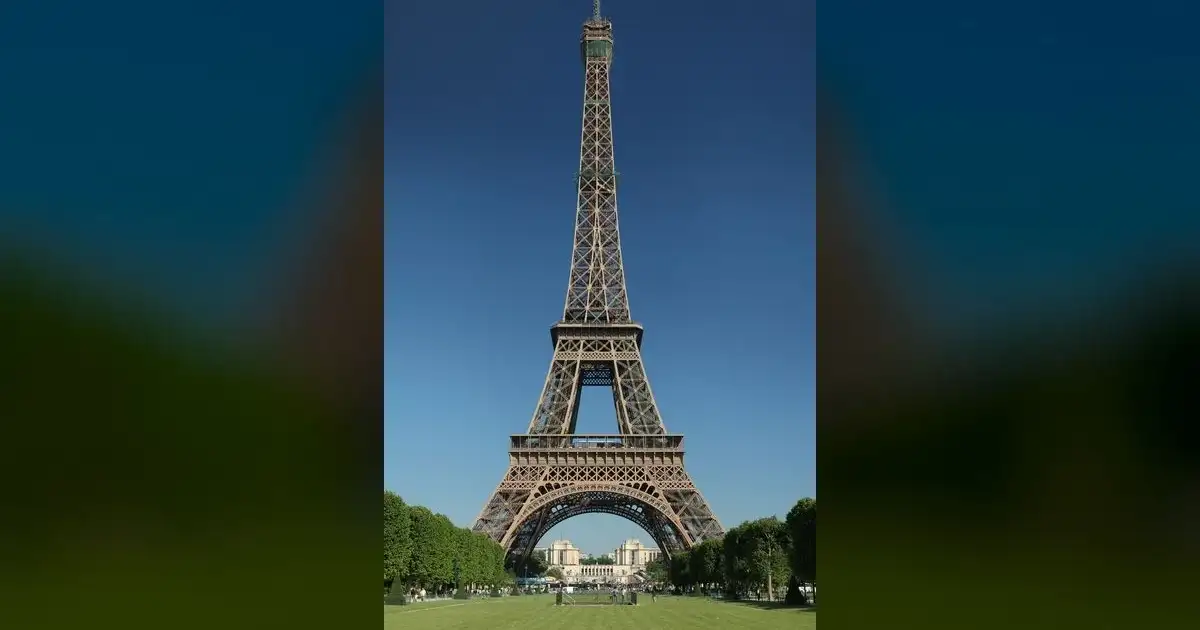

Paris delivered a spectacle nobody planned when lightning violently struck the Eiffel Tower. This wasn’t some romantic movie scene; it was nature’s brutal reminder of our changing climate.
The iconic 330-meter structure was hit around 9:45 PM local time on Thursday, June 26th. A massive thunderstorm ripped through the city.

This followed days of a scorching heatwave, with temperatures hitting 36.5°C (97.7°F). Then, just like that, the mercury plummeted to 18°C (64.4°F) during the storm.
Eyewitnesses described a terrifying flash and a loud crack. Many tourists captured the dramatic moment on their phones.
The tower’s operations were temporarily halted on upper levels as a precaution. Engineers confirmed no significant damage; the tower’s design and lightning rod system worked perfectly.
Is Paris Still Safe for Tourists?
This dramatic event sparks a crucial question for anyone dreaming of a Parisian escape: Is it truly safe to visit landmarks like the Eiffel Tower during such extreme weather? The short answer is yes, but with a reality check.
The Eiffel Tower is built tough. It boasts a sophisticated lightning protection system.
This includes multiple lightning rods and a robust grounding network. They safely channel electrical charges into the earth. This system is constantly inspected and maintained.
Immediate safety protocols kicked in after the strike. Authorities temporarily closed upper levels. All public access was fully restored by mid-morning on June 27th. This shows the city’s preparedness and the tower’s resilience.
Frankly, direct injury to visitors inside such protected landmarks is incredibly rare. The real risks during a storm often come from falling debris or localized flooding. These happen outside the main structure.
“Our advanced lightning protection system functioned perfectly, ensuring the safety of the structure and the public. We are proud of the tower’s resilience and our teams’ swift response,” a spokesperson for the Société d’Exploitation de la Tour Eiffel (SETE) stated.
Rethinking Your European Vacation
This incident isn’t just a one-off spectacle. It’s a flashing red light for anyone planning future travel. The rapid shift from extreme heat to violent storms is a clear pattern. Climate scientists like Dr. Antoine Lefevre confirm this.
“The rapid transition from extreme heat to violent thunderstorms is a signature of a changing climate. We can expect more such events,” commented Dr. Antoine Lefevre, a climatologist at the Sorbonne.
This means your summer vacation planning just got more complicated. It’s no longer just about packing light for sunshine; you need to prepare for heatwaves, sudden downpours, and violent storms.
Travel insurance that covers weather disruptions is no longer a luxury, but a necessity. Booking flexible accommodations and transportation is smart. Always monitor local weather forecasts.
Major cities like Paris are investing in climate adaptation strategies. They are improving drainage systems and enhancing weather monitoring. Public warning systems are also getting better. This is their way of mitigating the impact. They want to protect both residents and tourists.
The New Reality of Travel
The days of blissful, uninterrupted European summers might be fading. We are now facing unpredictable weather patterns.
This dramatic lightning strike is a stark visual. It shows that even iconic landmarks are not immune. Travelers must adjust their expectations and embrace a new level of preparedness.
The Eiffel Tower stood strong, highlighting its incredible engineering. But the real lesson is for us.
We must adapt our travel plans and be ready for anything Mother Nature throws our way. Don’t just pack your swimsuit; pack your rain gear and your common sense too.
Source: Google News