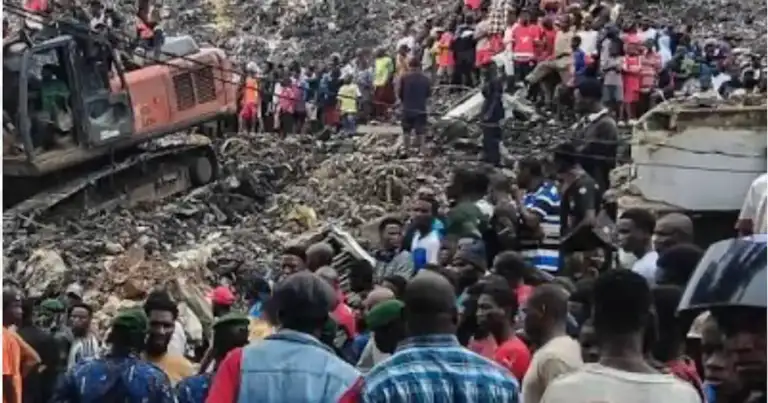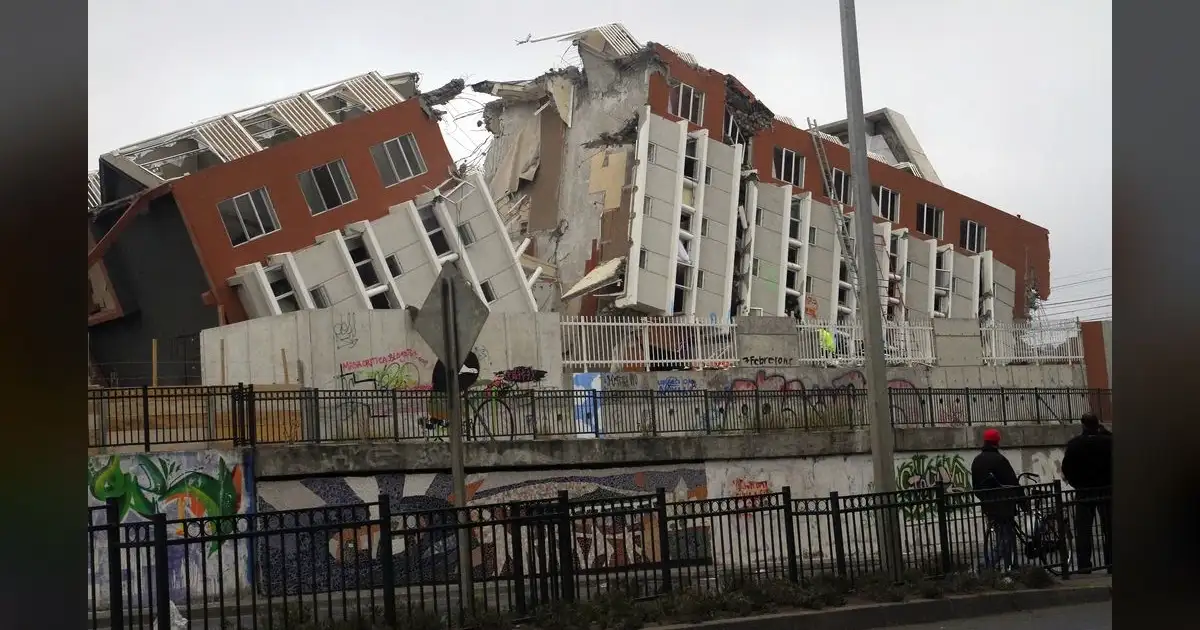

Venezuela didn’t just suffer a natural disaster; it endured a catastrophic betrayal, a structural scandal that has left a staggering 1,430 dead. Rescuers, digging through the pulverized remains of what were once homes and businesses, uncovered a sickening truth: these buildings weren’t just damaged by the earthquake, they were death traps, shockingly reinforced with nothing more than flimsy styrofoam where steel and concrete should have stood.
This isn’t merely a tragedy of nature’s wrath; it’s a damning indictment of criminal negligence and systemic corruption. Over a thousand lives, extinguished not by the tremor itself, but by the cynical corners cut by those who prioritized profit over human safety. The ground shook, but it was the fraudulent construction that truly crumbled, exposing a rotten core that will haunt the nation for generations.
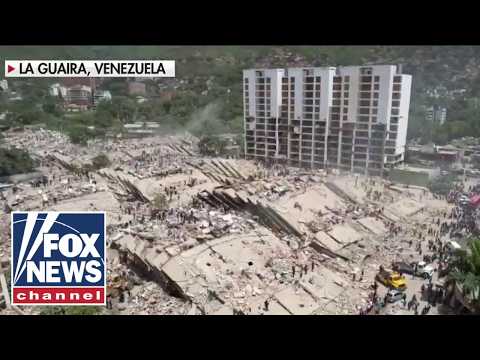
The Rotten Foundation: A Fixed Game
Imagine a defensive line made of cardboard, or a quarterback protected by a paper-thin offensive line. That’s precisely what these buildings were: a catastrophic failure waiting for the inevitable hit. Authorities on the scene are reporting widespread instances where residential structures, meant to withstand the stresses of urban life, were instead shored up with cheap, flimsy styrofoam. This isn’t just poor planning; it’s a deliberate, calculated act of criminal negligence that turned concrete dreams into dust.
These weren’t abandoned shells; these were vibrant homes, bustling businesses, the very fabric of communities. They were built on a foundation of lies, designed to fail when the pressure hit, and the earthquake served as the ultimate, brutal referee, calling out the systemic rot. This disaster isn’t an anomaly; it’s a stark revelation of deep-seated corruption that shamelessly prioritized illicit gain over the sanctity of human life.
The sheer scale of this deception is staggering. Rescue teams, hardened by years of disaster response, expected to find some semblance of structural integrity, even in damaged buildings. Instead, they found a deadly illusion, a hollow shell where strength should have been. It’s a gut punch for everyone involved, a visceral reminder that the rules of construction, like the rules of any fair game, were flagrantly violated. What kind of playbook allows for such a fatal shortcut?
This wasn’t a one-off mistake; it points to a coordinated scheme, a “playbook” for corruption that allowed substandard materials to pass inspection and deadly structures to rise. The question isn’t just how this happened, but who orchestrated this fatal charade, and who allowed it to become the norm.
Who Dropped the Ball? Accountability Now
When a team loses this badly, when the entire game plan collapses, you don’t just look at the players; you scrutinize the coaching staff and the front office. Who signed off on these fraudulent construction plans? Who received the kickbacks? Who was supposed to inspect these buildings and ensure they met basic safety standards? The buck doesn’t stop with the earthquake; it stops squarely with those who allowed this dangerous, deadly charade to fester.
This isn’t about isolated incidents of corner-cutting. The pervasive discovery of styrofoam as a primary structural component suggests a widespread, institutionalized issue. It points to a regulatory environment that was either profoundly asleep at the wheel or, more disturbingly, actively complicit in this deadly deception. The people of Venezuela deserve concrete answers, and they demand unyielding justice. Anything less is a continuation of the same betrayal.
The focus now shifts irrevocably from rescue to accountability. Every construction company, every contractor, every building inspector, and every government official involved in the approval and oversight process needs to be put under the most intense microscope. This isn’t just about rebuilding physical structures; it’s about tearing down the walls of corruption that allowed such a monstrous failure to occur. The penalty for such a flagrant foul must be severe and unequivocal.
“We are seeing a level of structural deceit that is almost unbelievable,” one rescue worker stated, his voice heavy with despair, as reported by The Guardian. “These buildings were death traps from the start, a ticking time bomb waiting for the earth to deliver the final blow.”
This isn’t just a failure of materials or engineering. It’s a profound failure of leadership, ethics, and basic human decency. The entire system that permitted this kind of lethal construction to stand, to be inhabited, and ultimately to collapse, must be dismantled and rebuilt on a foundation of integrity and transparency.
The Human Cost of Negligence: A Stadium Full of Dreams
The number 1,430 isn’t just a cold statistic. It represents mothers, fathers, children, neighbors, colleagues – each an irreplaceable part of Venezuela’s vibrant social fabric. It’s a stadium full of dreams, now tragically buried under the weight of greed, incompetence, and criminal neglect. Each death is a personal tragedy, amplified exponentially by the agonizing knowledge that it was not an act of God, but a preventable man-made catastrophe.
Imagine the unbearable agony of families desperately searching for loved ones, only to learn their homes were built with a fatal, engineered flaw. The trust in their own infrastructure, in the very institutions meant to protect them, is shattered beyond immediate repair. This disaster will leave scars far deeper and more enduring than just collapsed buildings; it will leave an indelible mark on the national psyche.
The long-term impact on Venezuela’s social fabric cannot be overstated. How can citizens ever again trust future construction projects? How can they believe in public safety measures when the very ground beneath their feet proved to be a lie? This event exposes a raw nerve, a gaping wound that will take not just years, but perhaps generations to truly heal. It’s a crisis that reverberates through every aspect of Venezuelan society, from economic stability to psychological well-being.
The international community, including organizations like Reuters and CNN, will undoubtedly be watching closely. This isn’t just a local problem; it’s a global warning about the devastating consequences of unchecked corruption in the construction sector. Building safety cannot, under any circumstances, be compromised for a quick buck or an illicit payoff. The price, as Venezuela has tragically learned, is simply too high.
The true cost of this negligence extends far beyond the immediate death toll. It includes the countless injuries, the hundreds of thousands displaced, and the pervasive psychological trauma that will affect survivors and witnesses for years to come. It’s an economic blow that will cripple recovery efforts, and a moral crisis that demands unwavering resolve.
No Hiding From This: The Final Whistle Blows on Corruption
There’s no spin doctoring this disaster. The discovery of styrofoam where steel should have been is the ultimate smoking gun, pointing directly at systemic corruption and a brutal, unforgivable disregard for human life. The 1,430 dead are not just victims; they are a monument to that profound betrayal, a stark reminder of what happens when ethics are traded for profit.
Someone got rich cutting these corners. Someone looked the other way, time and time again. The real game here was played with people’s lives, and the consequences are devastatingly clear for all the world to see. Venezuela needs to tear down this culture of cheap fixes and demand real, unyielding accountability from top to bottom. If not, if justice is not served swiftly and severely, then more tragedies like this aren’t just waiting to happen; they are an absolute certainty. The final whistle has blown on this era of corruption, and the time for reckoning is now.
Source: Google News