
Ukraine Celebrates Independence Amid Ongoing Russian Bombardment
As Ukraine marks its 35th anniversary of independence, the nation defies Russian missile strikes ravaging its cities. The contrast between festivities and destruction sends a clear message: Ukraine’s spirit remains unbreakable despite Moscow’s relentless assault.
The Significance of Ukraine’s Independence
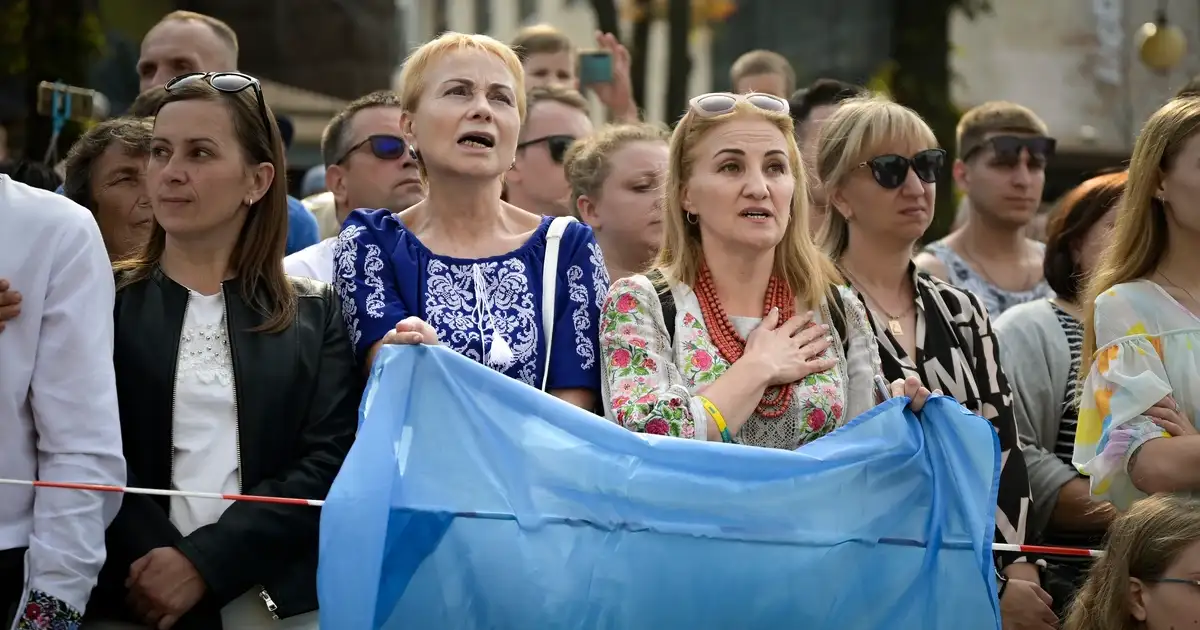
Ukraine declared independence from the Soviet Union on August 24, 1991, amid the empire’s collapse. Since then, it has faced revolts, reforms, and fierce battles to preserve sovereignty. Today, Ukrainians gather in Kyiv and beyond, waving flags and singing patriotic songs, reaffirming their identity.
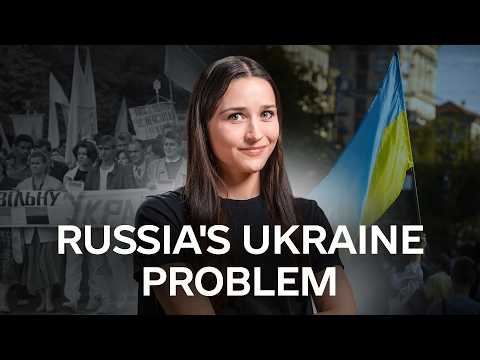
Over 90% voted for independence in 1991. Even after Russia’s full-scale invasion in 2022, Ukraine’s leadership remains firm: “We are still here, still sovereign, still Ukrainian.” This resilience highlights that independence is a hard-won achievement, not a gift.
The Reality Behind the Celebrations
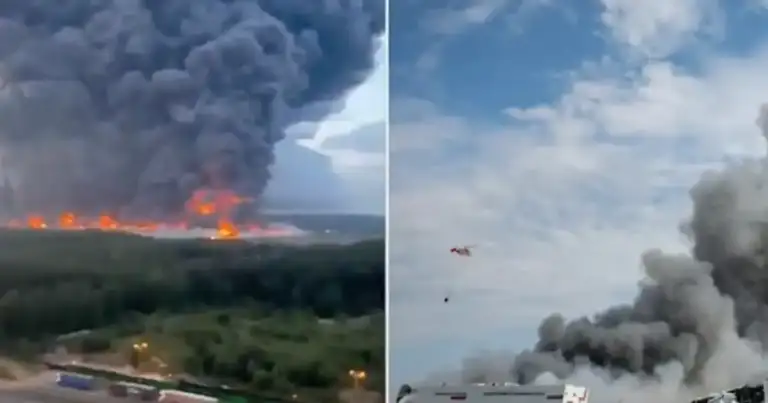
This year’s festivities are marred by scars from Russian bombardments. Kyiv’s streets are lined with soldiers, sirens wail constantly—reminders that Moscow aims to crush morale. Russian strikes target energy infrastructure, causing blackouts ahead of winter—a calculated move to weaken the population.
Yet, Ukraine presses on. Military parades, cultural concerts, and fireworks over Kyiv serve as defiance: “You can bomb us, but you cannot break us.” These acts are strategic, sending a message that Ukraine’s independence is non-negotiable.
The Defense Ministry reports ongoing battles in the east and south, with Ukrainian forces making small victories near Bakhmut. Kyiv refuses to halt celebrations, knowing they boost morale and international support. This is about more than patriotism—it’s a clear stand against Moscow’s ambitions.
International Support: A Clear Signal of Solidarity
Western leaders attending this year’s celebrations underscore global stakes. NATO Secretary General Jens Stoltenberg, EU President Ursula von der Leyen, and U.S. Secretary of State Antony Blinken will be present. Their presence is a statement: “We stand with Ukraine, and we’re committed to its sovereignty.”
Blinken will emphasize increased military and humanitarian aid; Stoltenberg will reaffirm NATO’s support; von der Leyen will push for tougher sanctions on Russia. These leaders send a message: Ukraine is a frontline in the broader struggle for influence between Russia and the West. Moscow seeks to erode Ukrainian resolve; the West aims to keep Kyiv standing.
The Strategic Battle: Bombs, Demoralization, and Resistance
In the past 48 hours, Russia intensified missile strikes targeting energy hubs and transport routes, aiming to plunge Ukraine into winter darkness. Moscow’s goal: wear down Ukraine, disrupt its fight, and sap morale.
Meanwhile, Ukraine claims progress near Bakhmut and other key areas. Ukrainian forces fight tenaciously, trying to slow Russia’s advances. Moscow’s broader aim remains: bleed Ukraine dry, fracture society, and reshape the battlefield. The brutal game tests Ukraine’s resilience, but the nation remains determined.
The Long Road Toward Stability
This anniversary is a reminder: Ukraine’s independence is fragile. Russia’s goal extends beyond territorial gains; it seeks to destabilize Ukraine’s institutions, fracture society, and erode international backing.
Despite holding elections and maintaining democratic institutions, Ukraine remains under siege. Its economy battered, cities scarred, its people exhausted. Yet, the government’s message is clear: “We will endure. We will rebuild. We will stay independent.”
What Lies Ahead for Ukrainian Sovereignty?
Will Western aid sustain Ukraine’s resistance? Can diplomacy persuade Moscow to retreat? Or is a prolonged stalemate inevitable? These questions define the future. Ukraine’s independence symbolizes Western resolve; if that weakens, Moscow’s victory grows more likely.
Russia’s strategy aims beyond territory. It seeks to break Ukraine’s spirit and establish influence that threatens regional stability. The West must decide: continue unwavering support or accept Russian dominance over Eastern Europe. The stakes are high.
Global Implications of Ukraine’s Fight
This anniversary warns the world. Russia’s war tests whether Western democracies will stand firm or capitulate. The gathered leaders in Kyiv signal Ukraine’s role as a litmus test for global resolve.
Questions remain: How long can Ukraine withstand? How many more cities will fall? When will Western patience run out? The longer this drags on, the clearer it becomes: Ukraine’s independence is fragile, and Russia’s ambitions extend far beyond Kyiv.
The Unyielding Fight for Freedom
Ukraine’s anniversary is a defiant act—a middle finger to Moscow’s war machine. It reminds us sovereignty isn’t handed down; it’s fought for, often with blood. The question isn’t whether Ukraine will survive, but whether the West will keep supporting a nation that refuses to bow.
One thing is certain: Ukraine’s independence was earned through resilience and sacrifice. Turning away now would mean accepting that freedom can be broken. That’s a future no democracy should accept.
Photo: Wikimedia Commons (query: Volodymyr Zelensky)
Source: Google News