
The final, desperate screams of his 31-year-old daughter echoed through the phone, a father’s world shattering as he listened to her being dragged under by an alligator. This isn’t just a news headline; it’s a brutal, visceral reminder of nature’s unforgiving power, and a tragedy that should sear itself into our collective consciousness.
She was on the phone with her dad, enjoying a moment, when she noticed something unsettling: strange bubbles on the river surface. Moments later, the ancient predator struck.

Her last breaths, filled with terror and a desperate struggle for survival, were heard by him. This horrific event didn’t just shatter a family; it ripped through their lives with a speed and ferocity that defies comprehension. The subtle sign of bubbles, a precursor to a fatal attack, now haunts them, a silent warning they couldn’t possibly decipher in time.
The Deceptive Predator: A Master of Subtlety
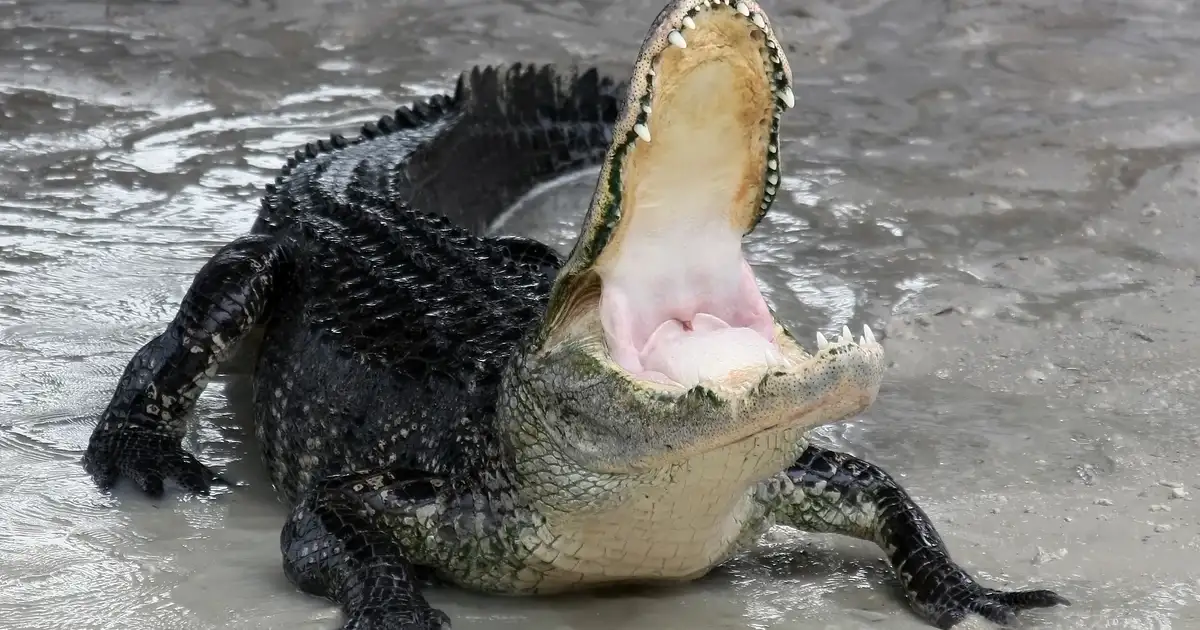
Alligators are not just dangerous; they are evolutionary masterpieces of ambush hunting. They are masters of disguise, perfectly camouflaged in their natural habitat, and most people drastically underestimate their speed and stealth, mistaking their languid movements for a lack of danger. How many times have we walked past a seemingly still pond or river, oblivious to the ancient, coiled threat lurking inches beneath the surface?
These powerful reptiles often lurk just below the water’s surface, with only their eyes and nostrils breaking the tension. This makes them incredibly hard to spot, blending seamlessly with logs, debris, or shadows.
But the report of bubbles is particularly chilling. It suggests the alligator wasn’t just lying still; it was actively moving, likely positioning itself, expelling air as it prepared its attack. This specific detail should serve as a stark, unforgettable warning to everyone: even the water itself can betray the presence of danger.
Unseen Dangers in Familiar Waters
We often cultivate a dangerous sense of comfort in our recreational areas. Lakes, rivers, and ponds, especially those near populated zones, can seem harmless, idyllic even. Yet, these are precisely the places alligators call home.
They blend in perfectly with their surroundings, their presence often unnoticed until it’s too late. This incident screams a critical truth: even seemingly calm, familiar water can hide unimaginable danger. Familiarity, in these waters, can be a death sentence.
We build our homes, our parks, our golf courses right up to the water’s edge, creating an illusion of control. But nature, especially in places like Florida and other southern states, holds the ultimate dominion.
These animals are not just residents; they are an integral, powerful part of the ecosystem. Understanding their behavior isn’t just good practice; it’s crucial for survival. Vigilance near any water source isn’t just a recommendation; it’s a non-negotiable survival tactic.
Beyond the Bubbles: Real Warning Signs to Heed
The victim saw bubbles – a specific, actionable detail that now carries a tragic weight. But what else should people look for?
Dr. Tanaka often emphasizes that understanding animal behavior is our first line of defense. Here are key indicators that demand your attention:
- Unusual Ripples or Disturbances: Beyond bubbles, any unexplained movement on the water’s surface, especially in still areas, can signal movement below. It might not be a fish; it could be something much larger.
- Eyes and Snout Visible: This is the classic, textbook sign, yet it’s often missed because people aren’t actively scanning the water. If you see them, you’re too close.
- Sudden Silence from Wildlife: Nature has its own alarm system. Birds, frogs, and smaller animals often go quiet when a significant predator is near. Pay attention to changes in ambient sounds.
- Missing Pets or Small Animals: Alligators are opportunistic hunters. If local reports mention missing pets near water bodies, consider it a red flag for increased alligator activity.
- Warning Signs Posted by Authorities: These signs aren’t suggestions; they are directives born from experience and data. Always obey them without question.
- Feeding Activity: Never, under any circumstances, feed an alligator. It habituates them to humans, making them associate people with food and lose their natural fear. This is a direct path to tragedy.
People must always maintain a safe, respectful distance from water edges. Never allow children or pets to wander unattended, even for a moment. This isn’t about fostering irrational fear; it’s about smart, evidence-based prevention and understanding the boundaries of our shared environment.
The Human Element of Unimaginable Tragedy
This story is a gut punch, a stark reminder of the fragile line between everyday life and sudden catastrophe. A parent heard their child’s final moments, a horror that no human mind is equipped to process.
The emotional toll is simply unimaginable, a wound that will never truly heal. It forces us to confront the raw, brutal reality of wildlife encounters, stripping away any romanticized notions of nature.
The father’s recount, even in its sparse details, is heartbreaking. It puts a profoundly human face on this danger, compelling us to internalize these lessons.
No one expects such a brutal end; this woman was just going about her day, living her life. Her father’s frantic, helpless call will haunt him forever. We owe it to them, to her memory, to take these threats seriously, to learn from this agony, and to prevent future heartbreak.
Lessons for Public Safety: A Call to Action
This tragedy demands more than just our sympathy; it demands our attention and a proactive response. It’s a public health issue, plain and simple, and education on alligator safety isn’t just important; it’s a matter of life and death, a public health imperative that local authorities must reinforce with unwavering commitment.
We need clear, consistent messaging, delivered through every available channel, to ensure people truly understand the risks. Complacency is the real enemy here, because nature, in its brutal honesty, does not offer second chances.
This isn’t a freak accident that can be dismissed as a one-off. It’s a tragic consequence of humans and powerful predators sharing space, often with insufficient understanding or respect for the inherent dangers.
We must adapt our behavior accordingly, not just for our own safety, but for the safety of our loved ones and our communities. Ignoring the danger, or downplaying it, is simply irresponsible and invites further tragedy.
The details are grim: a 31-year-old woman gone, her future stolen, a father left with unimaginable grief. All because of a silent hunter and some deadly bubbles.
Will we finally take these warnings to heart, or will more families face this same horror? The choice, and the responsibility, is ours.
Source: Google News