
The Fourth of July weekend, that sacred American tradition, has just been hit with a catastrophic penalty flag on Long Island. Forget bad weather; this isn’t a rain delay. Shark sightings have slammed the gates shut on prime swimming real estate, delivering a brutal gut punch to thousands of families and, critically, to local businesses counting on their biggest payday of the year.
Multiple shark sightings forced immediate swimming bans across Long Island, New York. The closures began on Thursday, July 2, 2026, casting a long shadow over the holiday kickoff. Popular spots like Robert Moses State Park and Jones Beach State Park were sidelined first.
Restrictions later extended to sections of Fire Island National Seashore, expanding the no-swim zone.
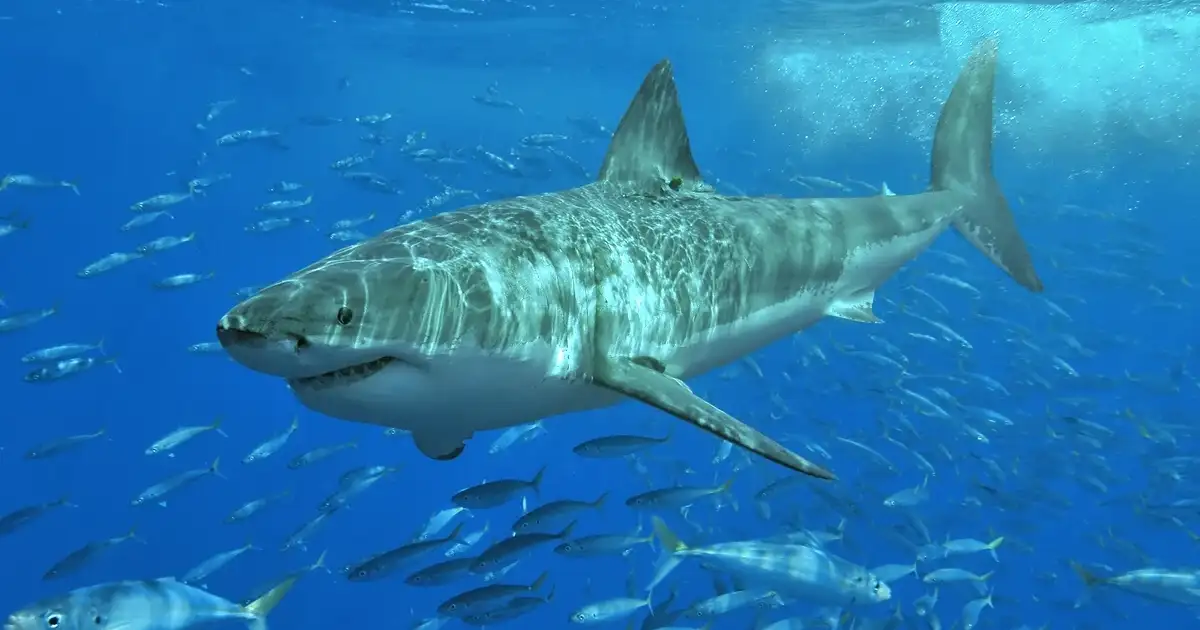
Authorities confirmed at least three distinct sharks, likely juvenile sand tiger or bull sharks, lurking within 50 yards of shore. This wasn’t a rumor; officials used drone surveillance and vigilant lifeguards to verify the threats.
These bans remain in effect through Friday, July 3, 2026, dampening the entire Fourth of July holiday weekend kickoff. For many, plans are already in shambles, and the economic fallout is just beginning to register.
The New Reality on the Coast: This Isn’t a Fluke Play
Make no mistake, this isn’t a fluke play. The question isn’t if these shark sightings are a one-off, but *when* we accept this as the stark new reality for our summer beach trips. The evidence isn’t just pointing; it’s screaming the latter.
Shark activity has been on an undeniable upward trend since 2020 along the New York coast. In 2025, we witnessed a staggering 8 confirmed non-fatal shark bites in New York waters.
That’s not just a record, folks; that’s a new benchmark. It’s a systemic shift in the game we play at the beach. This isn’t just a bad quarter; it’s a fundamental change in the league rules.
Marine biologists from Stony Brook University have a clear playbook for understanding this. Dr. Michael France stated it plainly, cutting through any ambiguity:
“The presence of bunker fish schools right off the coast is a huge draw for these sharks. It’s a sign of a healthy ecosystem, but it also necessitates increased vigilance and public awareness.”
Cleaner waters, a direct result of environmental efforts, are now bringing massive schools of bait fish – bunker, specifically – dangerously close to shore. For sharks, this isn’t just a casual meal; it’s a five-star buffet, a siren song ringing the dinner bell directly into their hunting grounds.
Successful conservation, while laudable, has undeniably led to healthier, more numerous shark populations. Couple that with warming ocean temperatures, redrawing their migratory maps and pushing these apex predators into zones previously considered safe for human recreation.
What we’re witnessing isn’t just a perfect storm; it’s a perfectly orchestrated feeding ground, right where our kids want to swim.
Safety vs. The Bottom Line: A Head-On Collision
This situation isn’t just a tough matchup; it’s a head-on collision: the undeniable imperative of public safety against the brutal reality of the local economy. Governor Kathy Hochul put it on the record with no room for debate:
“The safety of New Yorkers and our visitors is our top priority. We are deploying every resource to monitor our waters and will keep beaches closed to swimming until we are absolutely certain it is safe to return.”
Nobody argues with safety. But the economic impact of these closures is like taking a brutal sack in the red zone, deep in your own territory. The Fourth of July weekend is the financial Super Bowl for coastal businesses.
Concessions, hotels, and restaurants don’t just count on this period; they depend on it for their very survival. Let’s be brutally honest about the scoreboard here.
A single day of closure at major Long Island state parks isn’t a minor inconvenience; it’s a financial hemorrhage. This costs local businesses anywhere from hundreds of thousands to well over a million dollars in lost revenue.
And a full holiday weekend shutdown? We’re not talking about small change. We’re talking about a devastating hit that could easily blow past $5-10 million in direct and indirect losses.
This isn’t Monopoly money, folks. This is livelihoods, payrolls, and dreams getting wiped out by an invisible, finned opponent.
John Smith, owner of “Beach Bites” Concession, summed up the devastation with a palpable sense of despair:
“This weekend is usually 20% of our summer business. If these closures last, it’s going to be devastating. We need a clearer plan for how to manage this long-term, not just day-to-day announcements.”
Beachgoers are feeling the pinch too, their holiday plans getting sidelined without warning. Maria Rodriguez, who drove two hours for nothing but disappointment, voiced a common frustration:
“We drove two hours for this, and now we can’t even go in the water. It’s disappointing, but you can’t argue with safety. Still, it makes you wonder if we’ll ever have a normal beach day again. Will every summer be like this?”
Her frustration is not just understandable; it’s a sign of the deeper anxiety gripping families whose cherished traditions are now under threat. This isn’t just about a missed swim; it’s about a shattered expectation of summer itself.
Adapting to a Changing Game: A New Defensive Strategy
Authorities aren’t just calling a timeout and hoping for the best. They’re implementing a comprehensive new defensive strategy, because they know this isn’t a temporary blip. NY State Parks Regional Director George Gorman highlighted their intensified efforts, acknowledging the public’s pain while emphasizing necessity:
“We understand the frustration, especially with the holiday weekend approaching, but we cannot compromise on safety. These are not isolated incidents; we’re seeing a clear pattern of sharks feeding closer to shore, and we must respond accordingly.”
The state has invested heavily in cutting-edge drone surveillance, rapid-response jet ski patrols, and advanced lifeguard training. This isn’t just a temporary fix designed to get through the weekend; it’s a long-term adaptation, a fundamental adjustment to the new reality.
They are preparing for more encounters, not fewer, because intelligence suggests this pattern is here to stay. It’s like a seasoned coach adjusting his entire scheme for a formidable new opponent who isn’t going anywhere.
The increasing trend of shark sightings forces coastal communities to adapt, not just react. This means developing sustainable strategies for coexisting with a recovering, and increasingly present, marine ecosystem.
Human recreational activities will need to adjust to natural wildlife patterns. We can’t just wish the sharks away; they’re part of the game now.
Ignoring them is a recipe for disaster. This demands proactive thinking, not just reactive measures.
This isn’t just a wake-up call; it’s a blaring alarm siren demanding a complete strategic overhaul. The days of simply showing up at the beach without a thought, a casual stroll onto the field, are unequivocally over.
Coastal communities face a monumental challenge: developing a robust, long-term game plan. This plan must protect both the public and their absolutely critical tourism revenue.
This isn’t a drill; it’s the real game. It demands smart, tactical thinking, decisive leadership, and an iron will to adapt.
The summer season, and the very future of our beloved beaches, hangs in the balance. The clock is ticking. What’s
Source: Google News