
Imagine diving into Greece’s crystal-clear waters, expecting sun-drenched bliss. Instead, you find yourself swimming in a toxic battleground. That idyllic vacation dream is now under siege.
Lethal silver-cheeked pufferfish, each carrying enough poison to kill dozens, are invading tourist hotspots. Greek authorities are in a desperate scramble, deploying underwater barriers. This isn’t just a marine biology footnote; it’s a direct, immediate threat to every vacationer and Greece’s economic heartbeat.
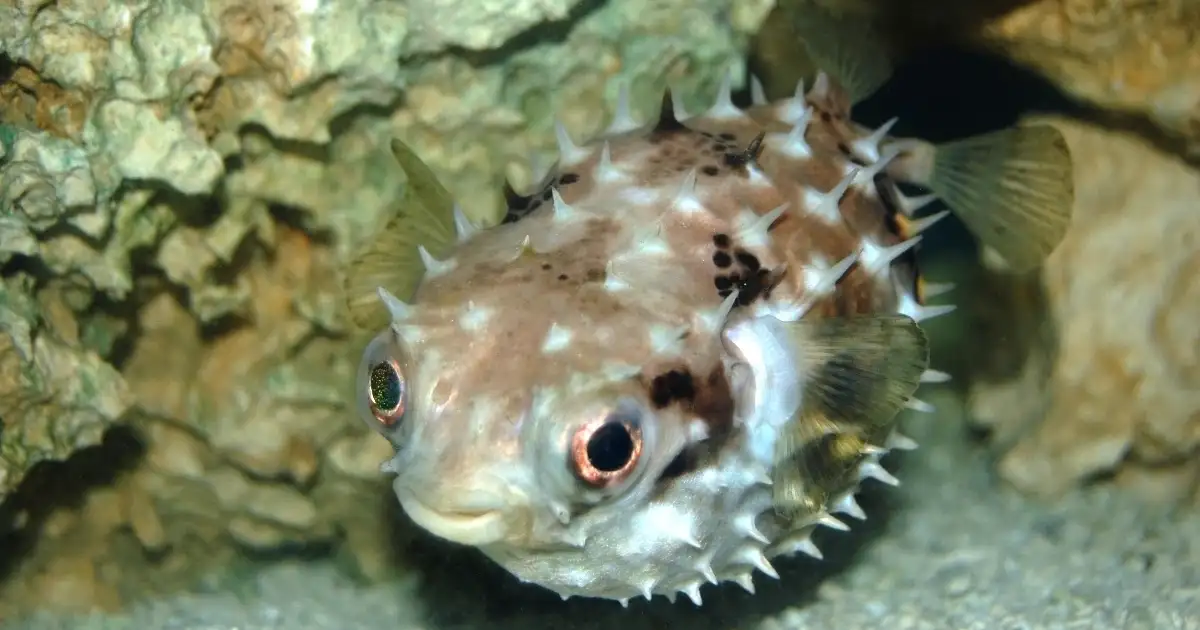
Let’s be clear about the enemy: the silver-cheeked pufferfish (Lagocephalus sceleratus). This isn’t just any fish; it’s an invasive species armed with a potent secret weapon: tetrodotoxin (TTX). Just one pufferfish can pack enough to kill up to 30 adult humans. Even without consumption, their powerful jaws can inflict shockingly painful injuries.
These toxic invaders aren’t new to the Mediterranean, but their current explosive proliferation is. They first arrived years ago, a silent consequence of the Suez Canal opening a pathway from the Red Sea.
Now, rapidly warming sea temperatures and a distinct lack of natural predators fuel a population boom. Their numbers are surging, pushing them directly into the shallow, inviting waters where millions of tourists swim and relax.
The Greek Panic: Barriers and Warnings
The alarm bells are ringing across Greece. Coastal municipalities from the sun-drenched shores of Crete and Rhodes to the ancient landscapes of the Peloponnese have declared full emergency mode. Urgent warnings plaster notice boards, and lifeguards, usually focused on currents and sunburn, are now hyper-vigilant.
In a rapid, almost desperate move, the Greek Ministry of Maritime Affairs and Island Policy has fast-tracked action. They are scrambling to install specialized underwater netting and barrier systems.
The goal is clear: carve out literal safe swimming zones in the most high-traffic tourist areas. Initial efforts focus on beaches that have already reported sightings and, more worryingly, incidents.
Marine biologists confirm the alarming spread. Dr. Eleni Papadopoulou from the Hellenic Centre for Marine Research (HCMR) sounded the alarm with undeniable urgency.
“The proliferation of the silver-cheeked pufferfish in shallow, tourist-heavy waters is deeply concerning. These fish are not only toxic if consumed, but their powerful jaws can inflict serious injury. We are seeing a clear acceleration in their spread, driven by warming waters and a lack of natural predators in the Mediterranean. Sea barriers are a necessary immediate step, but we need a much more comprehensive, regional strategy.”
— Dr. Eleni Papadopoulou, Marine Biologist, HCMR
Dr. Papadopoulou’s stark assessment isn’t just scientific jargon; it’s a flashing red light, underscoring both the immediate danger and the glaring absence of a robust, long-term strategy. The numbers don’t lie: the pufferfish population in the Aegean Sea has exploded, jumping a terrifying 15-20% annually over the last five years. This isn’t a gradual shift; it’s an undeniable, accelerating invasion.
Is It Still Safe to Swim? The Real Stakes
So, the million-dollar question for many travelers: is a Greek vacation still safe? My take is this: while the danger isn’t universal, it’s concentrated and demands immediate attention.
It’s not about being ‘nuanced’; it’s about being informed and vigilant. Currently, many popular beaches remain largely unaffected, but the threat is dynamic. The situation is evolving rapidly, and yesterday’s safe haven could be tomorrow’s hotspot.
Greek authorities are scrambling to implement safe zones, installing barriers and boosting lifeguard presence. However, the onus isn’t solely on them. Tourists, too, have a critical role to play.
This isn’t a time for blissful ignorance. Heed every local warning. Under no circumstances should you touch, disturb, or try to catch any unfamiliar fish – especially one that looks like a puffer.
If you spot one, report it to a lifeguard immediately. Your vigilance could save a life, perhaps even your own.
And let me be unequivocally clear: consuming these fish is a death sentence. The tetrodotoxin remains lethally potent even after cooking, frying, or any other preparation. There is no safe way to eat it. If you are bitten, or if you even suspect contact with a pufferfish, do not hesitate. Seek immediate medical help. This is not a risk worth taking.
The Economic Imperative Behind the Barriers
Make no mistake, Greece’s rapid, expensive response isn’t purely altruistic public safety. It’s an economic imperative. Tourism isn’t just a sector; it’s the lifeblood of the nation, forming a staggering 20-25% of Greece’s GDP. A significant hit to tourism isn’t just bad news; it’s an existential threat to the entire national economy. The cost of these emergency barriers? Already skyrocketing into the millions of Euros, representing a massive, unplanned, and frankly, desperate expenditure.
Local leaders feel the immense pressure. Kostas Giannopoulos, a mayor in Crete, stressed the economic stakes with palpable concern.
“We are doing everything in our power to ensure the safety of our visitors and residents. The installation of these barriers is a priority, but we also need better public awareness. We cannot allow this beautiful coastline, which is our livelihood, to become a danger zone.”
— Kostas Giannopoulos, Mayor, Crete
Mayor Giannopoulos’s candid remarks lay bare the frantic scramble to salvage what remains of the crucial summer season. This isn’t just about protecting swimmers; it’s about protecting the nation’s vital income stream.
Let’s be honest: while public safety is paramount, this immediate, costly reaction is less about long-term ecological preservation. It’s far more about immediate economic survival. The crucial, long-term environmental strategies, I fear, are taking a backseat to the urgent need for tourist protection.
Beyond the Band-Aid Solution
These sea barriers, while necessary, are fundamentally a band-aid. They offer immediate, localized protection, but they don’t solve the core problem.
The pufferfish invasion is more than just an inconvenience; it’s a stark, undeniable warning. It illustrates how deeply climate change and human impact can catastrophically disrupt delicate marine ecosystems.
The Suez Canal, that monumental human-made marvel, unwittingly threw open the door for this toxic migrant. Rapidly warming Mediterranean waters then rolled out the red carpet, inviting them to thrive.
Past attempts to control these fish have, frankly, failed spectacularly. Even bounty programs for fishermen proved largely useless, demonstrating the pufferfish’s resilience.
Their incredibly high reproductive rate simply overwhelms any localized control efforts. This isn’t a seasonal nuisance; Greece faces a protracted, long-term fight.
What’s truly needed is a comprehensive, regional strategy, spanning multiple nations, not just reactive, isolated netting.
Tourists deserve nothing less than full, transparent disclosure about these evolving risks. Governments and travel agencies aren’t just selling holidays; they have a moral and ethical duty to inform.
We are entering a new, challenging era of travel, where profound environmental changes are creating entirely new dangers. To ignore them, to sugarcoat the situation, is to recklessly put both lives and livelihoods at grave risk.
Greece’s iconic, beautiful waters are irrevocably changing. The toxic silver-cheeked pufferfish aren’t just visiting; they are here to stay, a permanent, dangerous fixture.
Travelers must adapt, educate themselves, and exercise extreme caution. For Greece, the challenge is far greater: they must confront this new reality with real, sustainable solutions, not just temporary barriers.
Simply keeping the monsters out of sight won’t keep them out of mind – or out of our waters – for long. The future of Greek tourism, and its precious marine ecosystems, depends on it.
Photo: Georgios Giannopoulos
Source: Google News