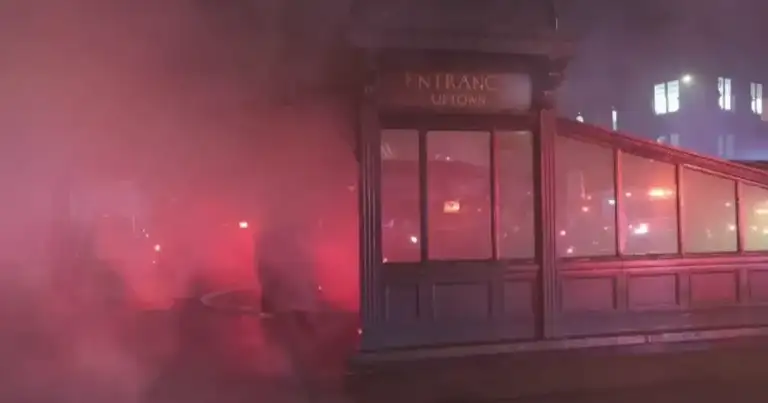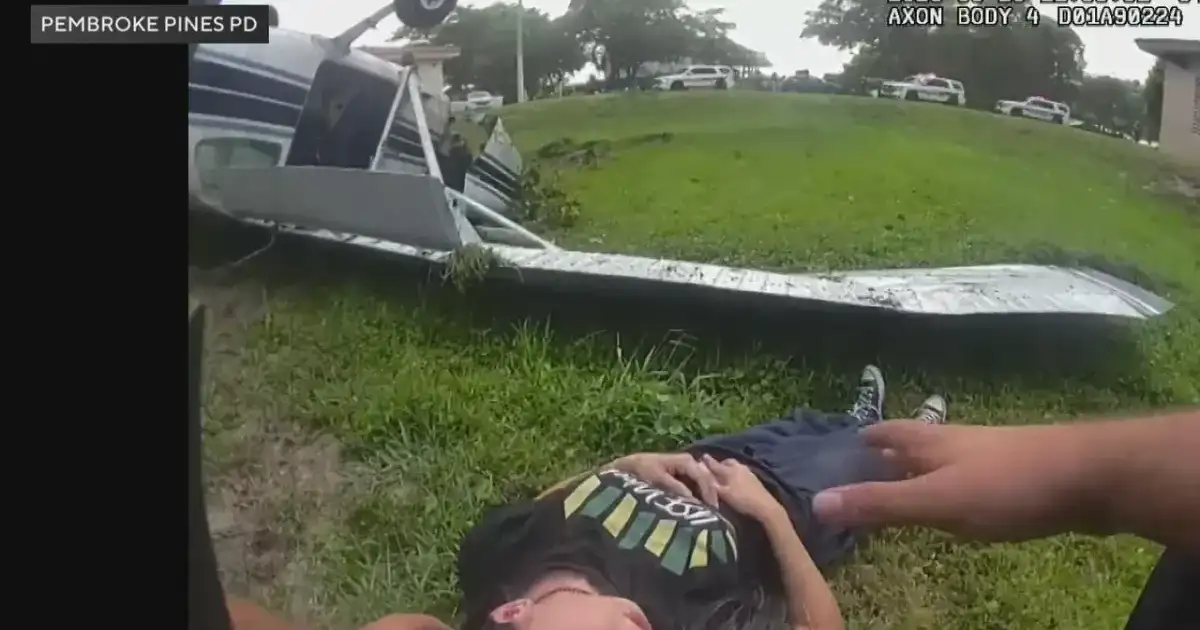

The Fourth of July fireworks came early to the East River, but this wasn’t a celebration; it was a desperate, heart-stopping fight for survival. In a chilling replay of a potential catastrophe, dramatic bodycam footage ripped across headlines, revealing the frantic, split-second race to pull eight souls from the icy grip of the water after their seaplane crash-landed. This wasn’t a drill, a simulation, or a Hollywood script – it was a brutal, real-time scramble against the clock, a desperate Hail Mary pass in the face of imminent disaster.
A Seaplanes NYC Cessna 208 Caravan, carrying seven passengers and one pilot, plunged into the river around 2:30 PM EDT near FDR Drive and 23rd Street. The pilot’s terse, chilling report of engine trouble just moments after takeoff was the first signal of a game-changing, life-or-death play unfolding.

The Playbook for Disaster: First Responders Execute a Game-Saving Drive
When the alarm blared, New York’s finest didn’t hesitate. NYPD Harbor Unit boats were on the scene in mere minutes, a lightning-fast defensive line. FDNY marine units and Coast Guard vessels joined the charge, forming an impenetrable wall against the unfolding tragedy. The bodycam footage, raw and unvarnished, is a masterclass in crisis management, a testament to human courage under fire. Officers, without a second thought, plunged into the murky water, pulling stunned, terrified passengers from the rapidly sinking fuselage. These weren’t just responders; they were heroes, executing a flawless, game-saving tackle that turned a potential mass casualty event into a monumental victory.
All eight individuals were pulled to safety, a testament not just to luck, but to relentless training and an iron will. Some sustained minor cuts and bruises, others were simply in shock, but critically, zero fatalities were reported. This isn’t just a win; it’s a definitive triumph for rapid response, meticulous coordination, and the unwavering commitment of New York’s emergency services. It’s a blueprint for how to snatch victory from the jaws of defeat.
NYPD Commissioner [Michael Smith] didn’t mince words, his voice ringing with pride and authority:
The bodycam footage speaks volumes about the bravery and professionalism of our Harbor Unit officers. Their swift action, alongside our FDNY and Coast Guard partners, turned a potential tragedy into a testament to New York’s finest. This wasn’t just a rescue; it was a demonstration of absolute operational excellence under extreme pressure.
Mayor [Eric Adams] echoed the sentiment, his praise for the first responders unwavering:
This Fourth of July, while many celebrated, we witnessed true American heroism unfold right here in our East River. To the first responders, we owe an immeasurable debt of gratitude. To the passengers, we extend our deepest relief and wish a swift recovery. Their courage, and the courage of those who saved them, defined this holiday.
What Blew the Engine? The Tactical Investigation Kicks Off
The immediate crisis is averted, but the real game has just begun: the hunt for answers. The National Transportation Safety Board (NTSB) and the Federal Aviation Administration (FAA) have already deployed their elite investigative teams, a forensic offensive aimed at dissecting every detail. Their preliminary focus is laser-sharp: engine malfunction. The pilot’s initial, urgent report of power loss isn’t just a clue; it’s the primary suspect in this unfolding mystery.
NTSB Spokesperson [Sarah Chen] confirmed the aggressive direction of the probe, leaving no room for speculation:
Our investigators are on site, meticulously examining the aircraft and gathering witness statements. Preliminary indications point unequivocally towards a mechanical issue, specifically engine malfunction, but the full scope of the investigation, a deep dive into every component, will take time. We are committed to leaving no stone unturned.
The wreckage, a mangled testament to the sudden violence of the crash, has been secured. It’s now being prepped for recovery, each twisted piece destined for microscopic examination. This isn’t merely about understanding one isolated incident; it’s about identifying systemic vulnerabilities, about tightening the screws on aviation safety to prevent the next potential catastrophe. Every bolt, every wire, every fuel line will be scrutinized. The stakes are too high to accept anything less than absolute certainty.
The Stakes for Seaplanes NYC: A Reputation on the Line
With the NTSB and FAA now on the case, Seaplanes NYC, the operator, finds itself squarely in the crosshairs. This isn’t just a bad day at the office; it’s a full-blown crisis that could shatter their operational future. Their maintenance records will be picked apart with surgical precision, every repair, every inspection log under intense scrutiny. Pilot training logs will undergo a deep dive, checking for any gaps or inconsistencies. Every single detail of their operational history will be scrutinized, from flight hours to safety protocols. This incident isn’t just a bump in the road; it’s a potential career-ending tackle, threatening devastating blows to both their reputation and their financial bottom line.
And let’s not forget the financial fallout. A rescue operation of this magnitude isn’t just “not cheap”; it’s an economic gut punch. We’re talking hundreds of thousands, if not millions, of dollars. The deployment of personnel, the specialized equipment, the complex wreckage recovery – it all adds up, and someone, somewhere, will be forced to foot that colossal bill. The question isn’t if, but when, the invoices start rolling in, and who ultimately bears the cost of this near-tragedy.
Air Traffic Over NYC: A Constant, High-Stakes Risk Assessment
This crash isn’t just an isolated event; it shines a harsh, unforgiving light on the inherent risks of air travel over one of the world’s most densely populated urban centers. Seaplanes operate under an intricate web of strict FAA regulations, navigating specific flight corridors, adhering to stringent altitude restrictions, and undergoing mandatory, regular maintenance checks. Local port authority rules add yet another layer to this complex operational environment, creating a veritable minefield of compliance.
Past incidents, etched into the city’s collective memory, like the legendary 2009 “Miracle on the Hudson,” always force a comprehensive review of existing safety protocols. That Airbus A320 landing, a testament to Captain Sullenberger’s skill and NYC’s emergency response prowess, set a high bar. This seaplane crash, while thankfully without fatalities, will do the same, demanding a ruthless, uncompromising examination of every facet of urban seaplane operations. What can be improved? What must change?
The NTSB’s final findings will be the ultimate playbook. We could see a slew of new safety measures: enhanced engine monitoring systems could become standard, revised flight paths might be implemented to minimize risk over populated areas, and more frequent, more rigorous inspections for urban seaplane operations are undoubtedly on the table. This isn’t just about one plane, one operator, or one incident. It’s about the integrity of the entire system, about how we manage the delicate balance of risk and convenience in a city that never sleeps, where the margin for error is razor-thin.
The Red Marker Verdict: A Cost Beyond Heroism
This dramatic East River rescue is, without question, a monumental win for first responders and a literal miracle for the passengers. But let’s be absolutely clear-eyed and tactical: behind the immediate heroism, there’s always a lingering cost, a debt to be paid. The public sees the immediate save, the triumph of human spirit. What they often don’t see is the relentless, grinding pressure on operators, the razor-thin margins, the constant battle between profit and safety. Every incident like this tightens the screws, forcing regulators to react, to add more layers of bureaucracy, more expense. The real motive is always the same: keep the money flowing, but never, ever cut corners on safety. This crash will mean more red tape, more rigorous oversight, and ultimately, more expense for operators. Someone will pay for this, one way or another – and it will ripple through the industry.
New York City’s skies and waterways are a complex, unforgiving gridiron. Every flight, every landing, every takeoff is a calculated play, a high-stakes gamble. This time, the defense, spearheaded by the NYPD and FDNY, made a game-saving tackle, preventing a touchdown of tragedy. But the fundamental, chilling question remains, hanging heavy in the air: how long until the next snap? And will the defense be ready, once again, to make the impossible play?
Source: Google News