
President Donald Trump didn’t just spike an Iran nuclear deal; he obliterated it with the force of a game-winning sack, declaring it dead in the water just as global oil markets erupted. This wasn’t merely a political statement; it was a tactical maneuver, a definitive shutdown following a brazen attack on the MV Pacific Voyager oil tanker, sending Brent crude futures soaring 4% to $98.50 a barrel and West Texas Intermediate (WTI) crude surging 3.8% to $94.20 a barrel. The message is clear, the stakes are astronomical, and the world is now bracing for the fallout.
This isn’t just rhetoric; it’s a direct hit on diplomatic efforts, shattering any illusion of a pathway to de-escalation. The world now watches as the Strait of Hormuz, an already volatile choke point, becomes an even hotter flashpoint, primed for the next strategic play.

Tanker Attack Ignites Crisis: The First Domino Falls
The trouble began with a flash of light and a sickening thud. The MV Pacific Voyager, a Liberian-flagged oil tanker, became the target of an unidentified projectile, struck in the critical Strait of Hormuz between July 6-7, 2026. Initial reports indicated minor hull damage, a fortunate outcome given the circumstances, with no crew members harmed. But make no mistake, this was no mere accident; it was a deliberate provocation, a shot fired across the bow of global energy security.
U.S. Central Command, or CENTCOM, wasted no time in pointing fingers, issuing a swift condemnation on July 7, 2026, and unequivocally blaming “Iranian-backed forces” for the attack. Iran, through its Foreign Ministry spokesperson Nasser Kanaani, vehemently denied involvement, predictably countering with accusations against “external actors” seeking to destabilize the region. This familiar dance of denial and accusation only underscores the perilous reality: a single spark in this powder keg can ignite a regional inferno.
Oil Markets Erupt: A Tax on Every Consumer
The global oil markets reacted with the brutal, unforgiving force of a blitzing linebacker. Brent crude futures didn’t just rise; they shot up a staggering 4%, hitting $98.50 a barrel. Not to be outdone, West Texas Intermediate (WTI) crude also surged 3.8%, climbing to $94.20 a barrel. This wasn’t a ripple; it was a tidal wave, a direct consequence of escalating geopolitical risk.
Analysts immediately recognized the new, higher geopolitical risk premiums baked into the price. Supply concerns from the Middle East are no longer a distant threat; they are front and center, demanding attention and driving prices.
This isn’t just a number on a screen. Marine insurance premiums for vessels daring to traverse the Strait of Hormuz jumped an alarming 15-20% overnight.
This isn’t just about big oil companies; it’s a direct tax on every consumer, every business, and every economy dependent on stable energy prices. How long can the global economy sustain such volatility?
Trump Delivers The Hammer: A Deal Obliterated
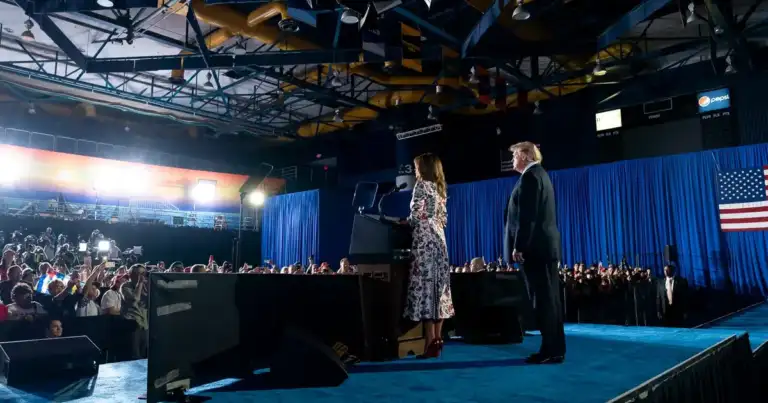
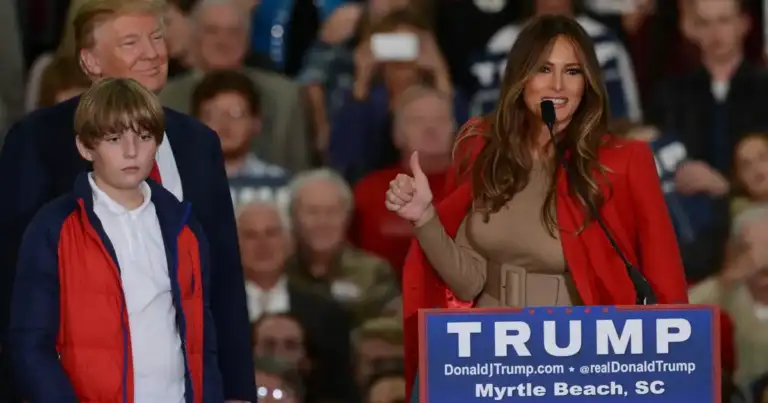
On July 8, 2026, President Donald Trump didn’t just drop the hammer; he brought down a political sledgehammer, crushing any lingering hopes for a diplomatic resolution with Iran. He first unleashed his declaration on his preferred platform, Truth Social, then amplified it with characteristic fervor at a rally in Pennsylvania, leaving no room for misinterpretation.
“There will be no deal with Iran. Not now, not ever, not with these terrorists. The deal is dead.”
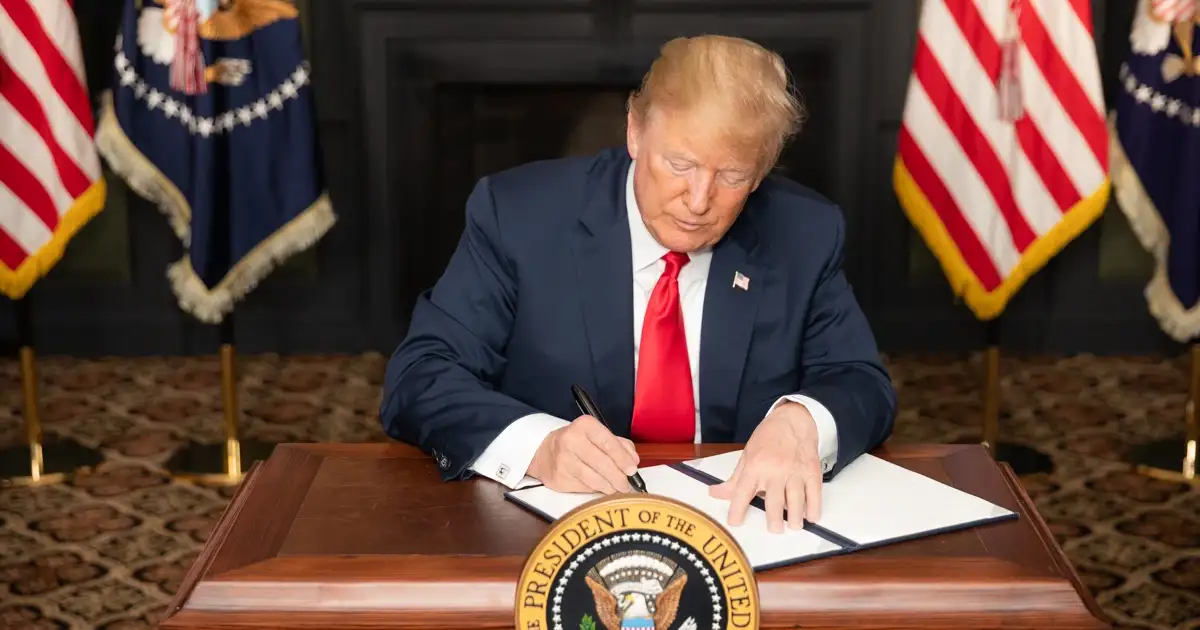
He didn’t stop there, branding those responsible for the tanker attack as “scum.” This isn’t just a tough stance; it’s a definitive, unequivocal shutdown. Any thought, any whisper, any quiet back-channel negotiation aimed at a renewed nuclear agreement is now unequivocally off the table under his watch. This is a strategic power play, a clear signal to both allies and adversaries that the rules of engagement have fundamentally changed.
Biden Administration in a Bind: Facing the Wreckage
The Biden administration is left scrambling, caught in a political crossfire of its own making. Secretary of State Eleanor Vance, attempting to project calm, condemned the attack and called for restraint and de-escalation. But her words ring hollow against the backdrop of Trump’s decisive declaration.
The White House, forced to admit the situation is now “more complex,” finds itself facing a diplomatic minefield. President Trump’s declaration didn’t just undermine quiet diplomatic channels; it obliterated them.
Years of painstaking efforts aimed at preventing regional instability and nuclear proliferation are now torched. It’s a classic political power play, a brutal demonstration of how one administration can build bridges while another burns them down.
The ongoing US-Iran conflict, active since February 28, 2026, only amplifies these tensions. This pushes the region closer to the brink.
How do you negotiate when one of the world’s most influential voices has declared the entire premise of negotiation null and void? The Biden team is now forced to react, rather than proactively shape, the geopolitical landscape, a perilous position for any administration.
The Stakes are Global: A Choke Point Under Pressure
This isn’t just about a damaged tanker or a defunct deal; it’s about global stability, plain and simple. The Strait of Hormuz is more than a waterway; it’s a global economic artery, a critical choke point through which nearly a third of the world’s seaborne oil passes daily. Any disruption here isn’t a regional issue; it’s a global economic shockwave that hits everyone’s wallet.
Higher oil prices mean higher gas prices at the pump, more expensive goods shipped across oceans, and increased inflationary pressures for economies already struggling. This is a direct tax on every consumer and every business, courtesy of escalating Middle East tensions.
Hardline conservatives, predictably, see this as irrefutable proof that Iran cannot be trusted. They advocate maximal pressure as the only viable path.
Diplomacy advocates, however, argue that Trump’s move pushes Iran into dangerous isolation. This could potentially lead to unchecked nuclear development, a scenario far more perilous than any deal.
Iran, for its part, denies everything, seeing only American hostility and a profound lack of genuine interest in peace. International allies, particularly in Europe, are now gripped by fear of military escalation and the total collapse of any nuclear constraint on Iran.
The chessboard just got a lot more complicated, and the pieces are moving faster than ever.
The Real Game Plan: Power, Leverage, and the Price of Dominance
President Trump’s declaration is a clear signal, a line drawn in the sand with absolute certainty. He’s telling Iran, and indeed the entire world, exactly where he stands. This isn’t about nuanced negotiation; it’s about raw domination, a strategic play designed to assert unyielding authority.
This move solidifies his base, reinforcing his image as a strong, decisive leader who refuses to back down. It also applies immense, immediate pressure on the Biden administration, forcing them to contend with a treacherous landscape where a key diplomatic path has been not just closed, but utterly obliterated.
The surge in oil prices isn’t a bug in the system; it’s a calculated feature, the immediate, tangible consequence of increased risk, the market pricing in the stark reality of a world without a safety net for Iran’s nuclear ambitions. This is the cost of absolute leverage.
This isn’t just about national security; it’s about economic leverage. It’s about who controls the narrative, who dictates the terms of engagement on the global stage, and who truly holds the power.
President Trump wants to show he’s the only one capable of handling Iran, flexing his political muscle with a force that reverberates across continents. The cost of that muscle flex? Every driver filling up their tank, every business shipping goods, every household paying for energy will feel it directly.
This is how the game is played at its highest stakes. The price of admission just went through the roof.
Source: Google News