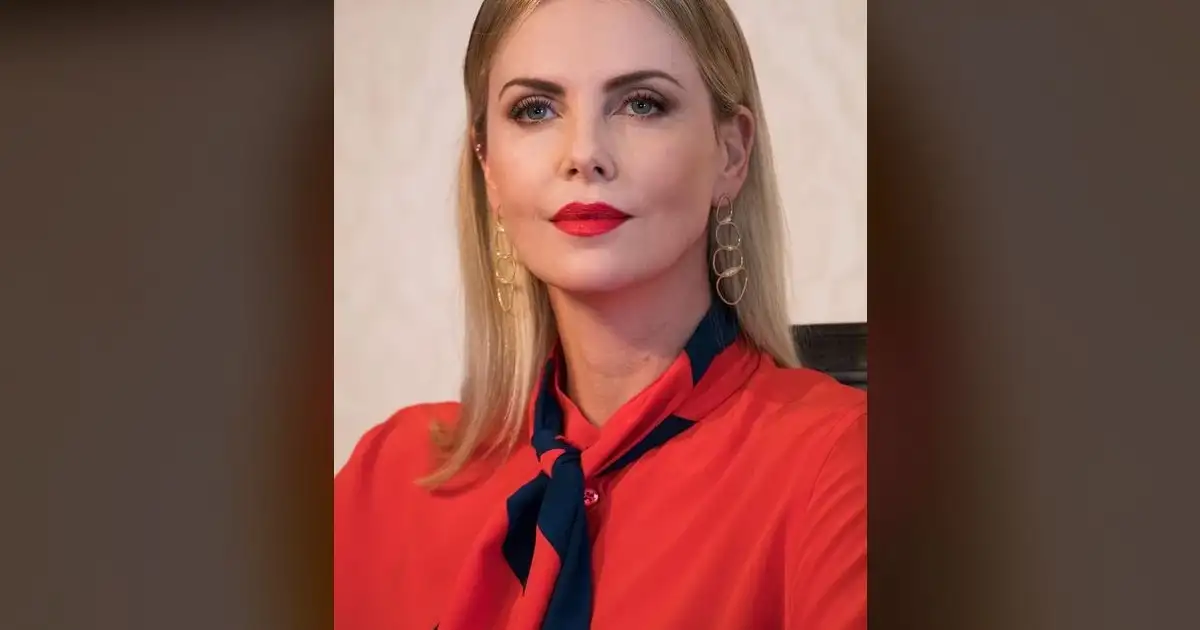

Let’s be honest: Hollywood has a problem, and its name is Ozempic. When Charlize Theron, a woman known for her powerful physique and incredible transformations, steps onto the red carpet looking noticeably thinner at 50, the whispers aren’t just gossip – they’re a siren call about the industry’s escalating obsession with thinness. Her appearance at “The Odyssey” premiere has ignited a vital conversation about the pharmaceutical pursuit of an unattainable ideal.
Theron attended her film premiere on July 9, 2026, in Los Angeles, wearing a sleek, form-fitting gown that immediately highlighted her slender figure. Within minutes, social media exploded with speculation about her health and the pervasive use of GLP-1 drugs in celebrity circles. It wasn’t just a fashion moment; it was a cultural flashpoint.

Hollywood’s “Ozempic Face” Obsession is Real
Major outlets like Variety and TMZ were quick to report on the immediate online uproar. Fans and critics alike compared her current look to previous appearances, fueling the “Ozempic rumors” that now swirl around countless stars. This isn’t just about Charlize; it’s about a deeply troubling trend that’s reshaping our perception of beauty.
The entertainment industry has always demanded an ultra-slim physique, particularly for women in the public eye past 50. This pressure is relentless, often unrealistic, and now, weight-loss drugs like Ozempic and Wegovy have become the industry’s “open secret.” It’s no longer just about diet and exercise; it’s about a prescription for thinness.
As one social media user, quoted by TMZ, bluntly put it:
Charlize looks incredibly thin at ‘The Odyssey’ premiere. Is it just me, or is everyone in Hollywood on Ozempic now?
That’s not just idle chatter; it’s a reflection of a widespread perception. The rapid weight loss these drugs can induce often leads to a gaunt, hollowed-out appearance, earning it the unsettling moniker “Ozempic face.” This isn’t the healthy glow we associate with natural weight loss; it’s a look that often requires further cosmetic intervention just to appear vibrant.
The True Cost of Perfection
We’ve seen Charlize Theron transform her body for iconic roles before – famously gaining weight for “Monster” and “Tully.” Those were professional choices, part of her craft. This time, the perceived weight loss for a public appearance hits differently. It feels less like an artistic endeavor and more like a capitulation to an industry standard that’s becoming increasingly extreme.
The numbers tell a stark story. Global sales for GLP-1 drugs like Ozempic and Wegovy are projected to hit over $100 billion annually by 2030. That’s a staggering market, fueled not just by health needs but by aesthetic desires. What does it mean when the pursuit of beauty becomes a multi-billion-dollar pharmaceutical enterprise?
And the ripple effects are already here. A 2025 survey by the prestigious American Academy of Facial Plastic and Reconstructive Surgery found a shocking 50% increase in requests for facial fillers. Why? Patients wanted to counter the hollow look from significant weight loss, often directly linked to these very drugs. This isn’t just a beauty trend; it’s a new, costly battle against the side effects of chasing an impossible ideal.
Industry insiders know the score. Actresses like Oprah Winfrey and Amy Schumer have openly discussed using weight-loss medications. While their honesty is a step towards normalizing a conversation, it also inadvertently amplifies the relentless pressure on others to follow suit.
As a film critic noted in Variety:
While her performance in ‘The Odyssey’ is sure to be lauded, it’s hard to ignore the chatter around Theron’s strikingly slender appearance on the red carpet, a stark reminder of the industry’s relentless pursuit of a certain aesthetic.
This relentless pursuit of thinness isn’t confined to Hollywood’s elite. It trickles down, shaping what everyday women see in magazines, on screens, and ultimately, what they aspire to. It pushes unattainable ideals and, increasingly, pharmaceutical solutions as the answer.
What This Means for All of Us
Is every Hollywood actress over 50 using Ozempic to stay thin? The widespread speculation certainly suggests a strong public perception of it.
The pressure to maintain a youthful, slender appearance only intensifies with age, trapping women in an endless cycle of scrutiny and self-optimization. For women everywhere, this sets a dangerous precedent.
This trend is actively redefining what is considered “ideal” in mainstream beauty, promoting an increasingly thin, almost fragile aesthetic. This look is often inherently unhealthy and, frankly, unattainable for most women without extreme measures. It distorts our understanding of natural beauty and healthy body image.
The “Ozempic craze” brings serious ethical questions to the forefront. Should pharmaceutical solutions be normalized for purely aesthetic goals, especially when these drugs are vital for those with genuine medical needs? What about accessibility, long-term safety, and the broader societal implications for women’s self-esteem?
Charlize Theron’s appearance is more than just a red-carpet moment; it’s a stark, public reminder of these impossible standards and the relentless scrutiny women face. We owe it to ourselves, and to the powerful women we admire, to demand better. Isn’t it time we redefined beauty on our own terms, embracing health and strength over a pharmaceutical-induced thinness?
Source: Google News