
Another tremor just rippled through Yellowstone National Park – a magnitude 4.8 earthquake – and already the internet is buzzing with apocalyptic predictions. Let’s cut through the noise: the supervolcano isn’t about to blow. This isn’t a sign of impending doom; it’s just Yellowstone being Yellowstone, a marvelously active piece of our planet.
This latest seismic event struck on July 15, 2026, at 06:17 AM MDT. Its epicenter was a mere 10 miles northeast of West Yellowstone, Montana, near the renowned Norris Geyser Basin. While the shaking was certainly noticeable, particularly for those within the park, the real story here is one of scientific calm, not catastrophic alarm.

Yellowstone’s Daily Rumbles: A Symphony of Movement
Park visitors and staff felt the ground tremble, leading to immediate, though minor, reports of rattling. Importantly, there was no damage to any park infrastructure, and mercifully, no injuries were reported.
This tremor was part of a minor seismic swarm, a common occurrence in this geologically vibrant region. Smaller quakes, ranging from M2.0 to M3.5, had preceded this larger event, all part of the same natural process.
Yellowstone isn’t just one of the most beautiful places in the U.S.; it’s also one of the most seismically active. It experiences thousands of earthquakes every single year – most so small they pass unnoticed by human senses, but all carefully recorded by an extensive network of scientific instruments. This constant movement is not a flaw; it’s simply the heartbeat of a living landscape, driven by the powerful forces beneath its surface.
Dr. Sarah Chen, a lead seismologist at the Yellowstone Volcano Observatory (YVO), was unequivocal in her assessment.
“Yellowstone is an incredibly active system. Earthquakes are a daily occurrence, and even moderate ones like this are a normal part of the caldera’s constant activity. We see absolutely no signs that this particular event indicates an imminent eruption of the supervolcano.”
So, when you hear the whispers of impending disaster, remember Dr. Chen’s words. This quake is business as usual for one of the world’s most dynamic geological wonders.
Why the Supervolcano Isn’t Blowing Its Top (Despite What the Internet Says)
The question inevitably arises: Is this earthquake a precursor to the Yellowstone supervolcano finally erupting? The direct, evidence-based answer is a resounding no. Here’s why scientists are so confident:
- A Daily Phenomenon: Yellowstone experiences thousands of earthquakes annually. Moderate quakes are simply the earth’s crust relieving stress. This event fits perfectly within historical patterns and does not signal an impending eruption.
- Beyond a Single Quake: Scientists don’t just look for one earthquake. They meticulously monitor for a confluence of significant indicators: sustained, accelerating seismic swarms, substantial ground uplift (measured by GPS stations), and marked changes in gas emissions. None of these critical indicators are currently present.
- Deep Earth, Not Surface Magma: The vast magma chamber beneath Yellowstone is incredibly deep. Most seismic activity, including this latest tremor, occurs in the brittle crust far above it. These quakes are typically caused by the movement of hydrothermal fluids – water and gas – through existing faults, not by magma ascending to the surface.
- A Long Warning Period: If an eruption were truly on the horizon, the signals would be unmistakable and would unfold over months, even years. There would be undeniable, escalating warnings across all monitoring parameters. A single moderate earthquake, even a notable one, is simply not enough to trigger such an event.
- Staggeringly Low Probability: The annual probability of a supervolcano eruption is extraordinarily low – estimated at about one in several hundred thousand. To put that in perspective, you’re far more likely to win the lottery or be struck by lightning.
Park Superintendent Eleanor Vance understands the public’s concern, but she wants to be clear about the facts.
“We want to assure visitors that the park remains safe, and our absolute priority is always public safety and clear, transparent communication based on the best available science.”
The park remains fully open, its iconic geysers and hot springs functioning normally, inviting visitors to experience its natural grandeur without fear.
The Real Story: Unwavering Monitoring, Not Constant Threat
Yellowstone’s seismic activity is intimately linked to its vast magma system and the complex network of hydrothermal fluids circulating within the crust. Earthquake swarms are a normal, expected phenomenon, often directly related to the movement of water and gas through existing faults and fractures. This is a fundamental distinction: fluid movement is not the same as magma moving towards the surface.
Remember the extensive 2017 swarm? Over 2,400 earthquakes rattled the park over several months, including a M4.4 event. People worried then, too, but the activity eventually subsided without any major eruption. That period of intense monitoring provided invaluable data, reinforcing scientists’ understanding of Yellowstone’s typical seismic behavior and the specific patterns that don’t lead to eruptions.
This M4.8 quake, while significant, is actually smaller and less intense than some previous swarms the park has experienced. Dr. Michael Johnson, Director of the Yellowstone Volcano Observatory, reiterated the observatory’s consistent message.
“This magnitude 4.8 earthquake is an excellent reminder of the dynamic nature of Yellowstone. Our monitoring systems are strong and reliable, and we are continuously analyzing the data. At this time, there is no indication of an increased risk of eruption.”
The dedicated scientists at the YVO and their partners at the U.S. Geological Survey (USGS) and various universities are always on the job. They employ advanced monitoring systems, including hundreds of seismometers, GPS stations that track ground deformation down to millimeters, and sophisticated sensors that constantly check gas emissions. This comprehensive network ensures that any significant changes would be detected immediately.
Don’t Fall for the Hype: Trust the Science
The word “supervolcano” invariably conjures images of global devastation and fuels sensational headlines. But the science tells a far more nuanced and reassuring story. Yellowstone is alive, active, and constantly changing – that is its very nature. The media often amplifies fear, but responsible reporting, grounded in scientific evidence, paints a picture of a magnificent, monitored natural wonder.
This earthquake is a geological hiccup, a minor adjustment in the Earth’s crust, not a death rattle. Yellowstone National Park is a place of breathtaking beauty and scientific fascination, not a ticking time bomb. So, next time a tremor hits, don’t reach for your emergency kit. Reach for your hiking boots and appreciate the incredible forces at play beneath our feet. Let’s trust the data, not the drama, and marvel at the constant, powerful heartbeat of our planet.
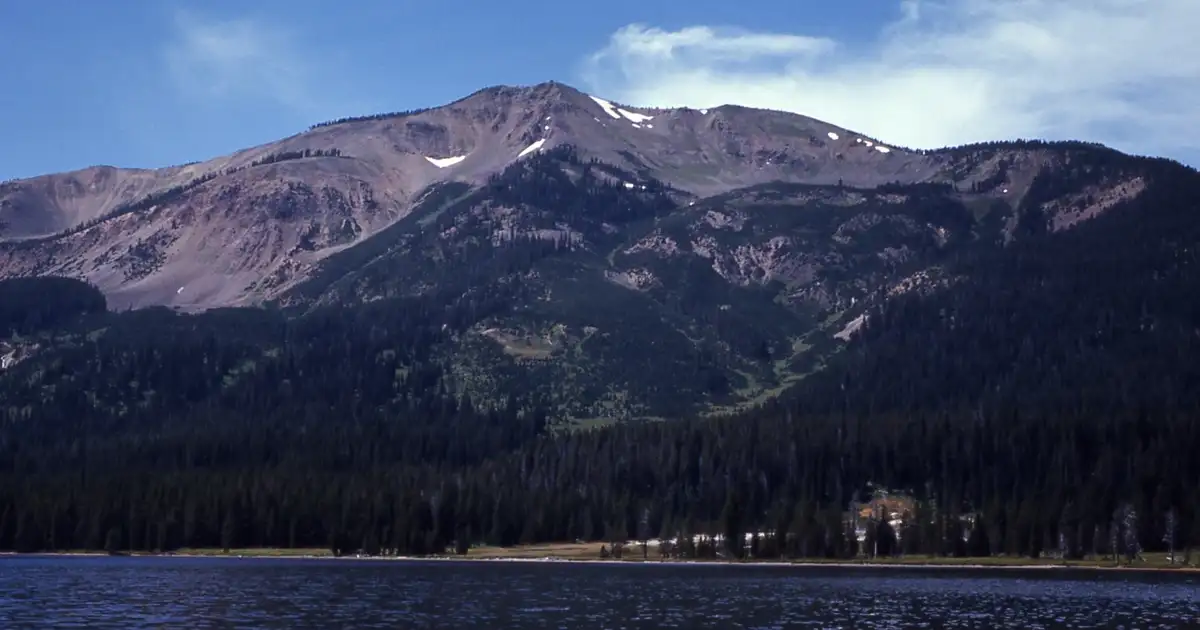
Photo: Wikimedia Commons (query: Yellowstone Volcano Observatory)
Source: Google News