
While Brazil celebrated a hard-fought 2-1 extra-time victory over France in the World Cup final at MetLife Stadium yesterday, the real story wasn’t on the pitch. It was a catastrophic organizational collapse, a tactical blunder of epic proportions that left thousands of paying fans stranded outside while VIPs like Tom Cruise glided effortlessly to their seats. What should have been a crowning moment for US soccer hosting turned into a logistical nightmare, a full-blown organizational fumble on the biggest stage.
From the moment the gates were supposed to open on July 18, 2026, the entire operation devolved into a chaotic free-for-all. Fans, many having journeyed across continents, were met not with clear pathways, but with a baffling labyrinth of conflicting signage and utterly unprepared staff. This wasn’t just a delay; it was a systemic failure to manage the most basic flow of human traffic, guaranteeing a missed kickoff for countless championship hopefuls around the East Rutherford, New Jersey venue.

To call this a ‘minor delay’ would be an insult to every fan who endured it. This was a full-blown operational meltdown. Social media became a live feed of frustration: endless bottlenecks, lines stretching for miles, and the infuriating sight of multiple gates either severely understaffed or crippled by scanner malfunctions.
Fans were literally forced to embark on marathon hikes around the perimeter. This showed an organizational blueprint that had clearly been torn up before the first whistle even blew.
Stadium Chaos: A Penalty for US Hosting
The situation, already teetering on the brink, was then pushed over the edge. Roughly 45 minutes before the game, President Donald Trump’s motorcade swept in through a VIP entrance, a necessary security measure perhaps, but one that undeniably triggered temporary road closures and further diverted pedestrian traffic. It was a tactical error to allow such a high-profile arrival to compound the pressure on an already buckling system, demonstrating a stunning lack of foresight.
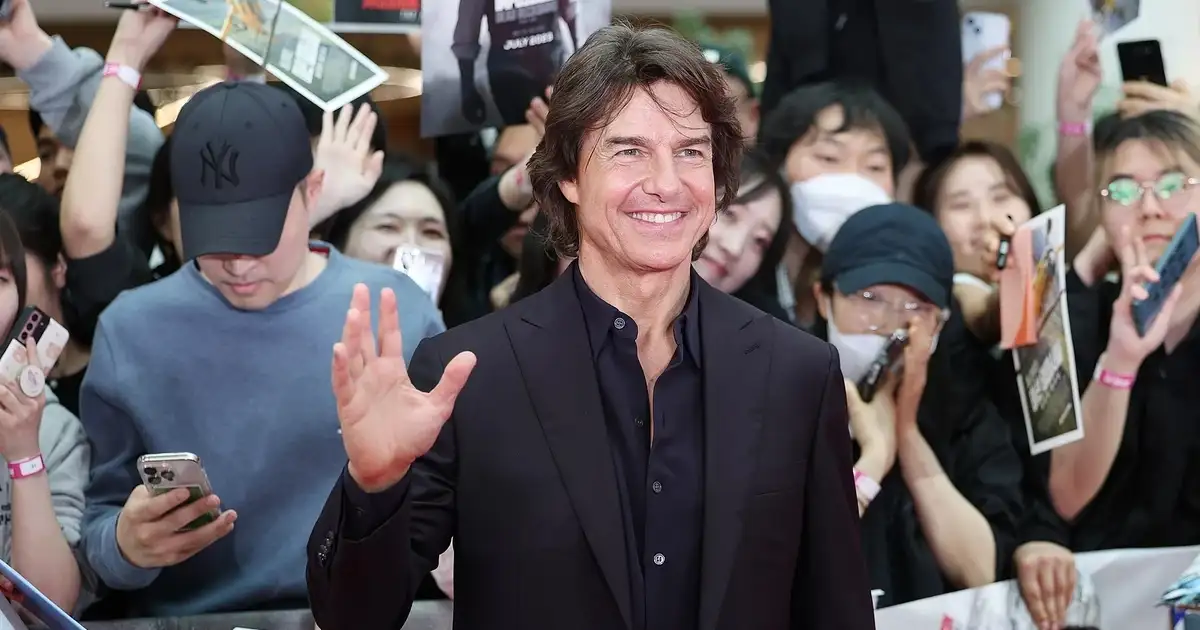
And then, the ultimate slap in the face. A mere 30 minutes before the biggest game in global football, actor Tom Cruise, unburdened by the chaos, glided effortlessly through a dedicated VIP gate, escorted directly to his prime seat.
The images of his seamless entry immediately went viral, a brutal, unforgiving highlight reel of the glaring disparity. This wasn’t merely unfair; it was a stark, undeniable illustration of a system rigged for the elite, a VIP pass to bypass the very chaos the common fan was forced to endure.
The numbers tell a damning story: an estimated 5,000 to 10,000 fans, many having shelled out astronomical sums – average resale prices soaring past $3,500, with some premium seats topping $10,000 – were still trapped outside or just trickling in when the opening whistle blew. To miss the electrifying start of a World Cup final after such an investment isn’t just a ‘gut punch’; it’s a betrayal, a profound insult to their passion and their wallets.
“It was an absolute nightmare. We walked in circles for an hour because three different staff members told us three different gates,” Maria Rodriguez, a fan from Mexico City, told CNN.
Maria Rodriguez’s harrowing account isn’t an isolated incident; it’s a chilling echo of countless others. Fans didn’t just invest heavily in tickets; they invested their hopes, their dreams, and their hard-earned money.
They arrived expecting a meticulously orchestrated, world-class spectacle, not a disorganized, amateurish mess. This wasn’t merely a ‘bad day’ for event management; it was an unforgivable breach of trust, shattering the very spirit of the beautiful game.
The VIP Lane vs. The Fan Fiasco
The stark, undeniable reality of VIPs like Tom Cruise waltzing past the chaos wasn’t just a visual; it was a direct, contemptuous message. It screamed, unequivocally, that certain tickets, and certain people, were indeed ‘more equal’ than others. This brazenly two-tiered system didn’t just ‘anger’ regular fans; it ignited a furious resentment, making them feel like disposable, second-class citizens at the pinnacle of global sport.
“It’s infuriating to see Tom Cruise waltz in while we’re stuck outside, having paid thousands for tickets,” tweeted @SoccerFanNYC, capturing the public’s outrage.
In the aftermath, FIFA and MetLife Stadium management trotted out a joint statement, acknowledging ‘unexpected crowd volumes’ and ‘localized operational hurdles.’ They even pledged a ‘comprehensive review,’ a standard playbook response.
But for the thousands who suffered, this corporate doublespeak rings hollow. The damage isn’t just ‘done’; it’s etched into the collective memory of a generation of football fans.
Local authorities, specifically the New Jersey State Police, confirmed the deployment of additional crowd control units – a clear indicator of the escalating tension. While they reported no widespread violence, the treatment of several minor injuries from jostling and heat exhaustion paints a grim picture. This wasn’t merely an inconvenience; it was a tinderbox, a hair’s breadth away from a full-blown catastrophe.
Beyond the Pitch: The Cost to America’s Reputation
This World Cup final debacle transcends a mere bad memory for disappointed soccer fans; it’s a seismic blow to the United States’ international reputation. As the US aggressively bids to host future mega-events – with the 2028 Summer Olympics in Los Angeles looming large and more World Cup matches on the horizon – this organizational failure sends a chilling message to the world.
Source: Google News