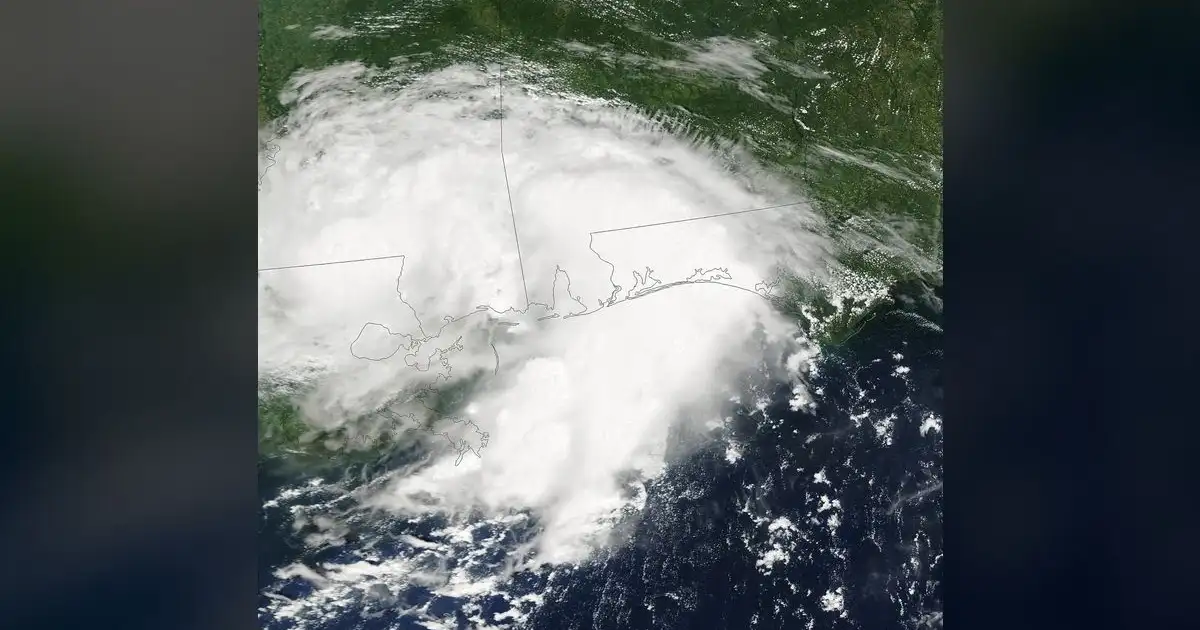

The clock is ticking, and Tropical Storm Bertha isn’t just knocking on the door of the Southeast coast – she’s ready to blow it wide open. This isn’t a scrimmage; this is a full-contact, championship game against an unforgiving opponent, and millions of lives are on the line as the region braces for a direct hit.
This storm, an unleashed fury from the Atlantic, has rapidly intensified, transforming into a formidable opponent in mere hours. It demands immediate, decisive action and a flawless game plan from every coastal community.

The emergency declarations aren’t just paperwork; they’re the opening whistle, signaling that the time for preparation is nearly over.
Bertha’s trajectory began as a mere tropical wave off Africa’s coast, a whisper of a threat. Fueled by the warm, churning Atlantic, it rapidly organized into a tropical depression by Sunday, July 19th.
By Monday, July 20th, this system had officially been upgraded to Tropical Storm Bertha, gaining strength with alarming speed. As of Tuesday, July 21, 2026, at 8 AM EDT, Bertha is positioned approximately 150 miles southeast of Charleston, South Carolina, charging northwest at a relentless 15 mph.
She packs maximum sustained winds that are already tearing at the coastline’s defenses.
The Playbook for Disaster
The playbook for a storm of Bertha’s caliber is brutally clear, etched in the history of past catastrophes: evacuate. Mandatory orders are not suggestions; they are non-negotiable commands from the sideline. This isn’t optional.
Ignoring these warnings is a catastrophic strategic blunder, akin to a quarterback refusing to hand off the ball in a crucial moment, opting instead for a blind scramble into a collapsing pocket. It’s not just a recipe for disaster; it’s a guaranteed loss, and the stakes are far too high.
State and local officials, the coaches and strategists in this crisis, have been preparing with grim determination. They understand the stakes better than anyone.
The region’s vital infrastructure, the capacity of emergency services, and most importantly, the irreplaceable lives of millions of citizens are hanging in the balance. Every single decision made now feels like a desperate fourth-down conversion attempt, where failure means losing the game entirely.
- Origin: Tropical wave off Africa.
- Formation: Tropical Depression by July 19th.
- Intensification: Tropical Storm Bertha by July 20th.
- Current Location: 150 miles southeast of Charleston, South Carolina.
- Movement: Northwest at 15 mph.
The entire Southeast coast is now a battlefield on high alert. From the sun-drenched beaches of Florida up through the historic shores of the Carolinas, every eye is glued to Bertha’s unpredictable track.
While the exact path remains a shifting target, the threat is concrete, undeniable, and rapidly approaching. Let’s be unequivocally clear: this is not a drill; this is the main event.
Executing the Evacuation Strategy
Getting millions of people out of harm’s way is a defensive coordinator’s worst nightmare, a strategic quagmire of epic proportions. It’s not just moving an entire offensive line through heavy traffic; it’s trying to orchestrate a mass exodus while the clock is running down.
Major arteries become hopelessly jammed, shelters quickly reach capacity, and the collective patience of a panicked populace wears dangerously thin. This isn’t just an inconvenience; it’s a test of human will and logistical precision.
But the alternative, to stand still and face Bertha head-on, is unthinkable. Emergency management teams are operating in overdrive, pushing the limits of their endurance.
They are meticulously coordinating every available resource, broadcasting urgent warnings across every channel. Their mission is singular and absolute: to prevent a catastrophic loss of life, to ensure every single person has a fighting chance to reach safety. This is their championship moment.
“Our absolute priority isn’t just getting people to safety; it’s ensuring they understand the gravity of this threat,” stated a seasoned emergency management official from Charleston County, speaking with a palpable sense of urgency. “This storm is no joke. It carries the destructive potential of a major hurricane if warnings are ignored. We need full cooperation from every resident, or we’ll be counting losses, not wins. The time for deliberation is over; the time for decisive action is now.”
This isn’t merely about escaping the immediate impact of Bertha’s punishing winds. It’s about confronting a gauntlet of secondary threats: the relentless, destructive power of storm surge that can swallow entire communities, and the insidious danger of flash floods that turn streets into raging rivers.
History repeatedly shows that these often-underestimated dangers cause more widespread damage and catastrophic loss of life than the initial gusts. This is a multi-faceted attack, and we must be prepared for every angle.
The sheer scale of this mandated evacuation effort is immense, a logistical marvel or a potential catastrophe depending on its execution. Schools are shuttering their doors, businesses are frantically boarding up their windows, and families are grabbing what meager possessions they can, embarking on a mass exodus inland.
This isn’t just a movement of people; it’s a desperate scramble for survival, driven by the unbridled might of the Atlantic and the primal instinct to escape.
The Cost of the Game
When Bertha makes landfall, the financial fallout will be an economic gut punch of staggering proportions. Homes will be ravaged, businesses will be forced into indefinite shutdown, and power grids are poised to crumble, plunging vast areas into darkness.
The economic cost isn’t just a brutal hit; it’s a fiscal tsunami, a devastating loss that communities will struggle to recover from for months, even years, long after the winds have died down.
Insurance companies, the ultimate risk assessors, are already bracing for impact. They know the claims will pour in like a relentless blitz.
This isn’t merely a weather event; it’s a full-blown economic earthquake, a fiscal tsunami for the regions caught in Bertha’s crosshairs. The recovery effort will not be a sprint; it will be a grueling, punishing marathon that tests the very resilience of these communities.
The unvarnished reality is stark: every dollar strategically invested in preparation now saves ten, perhaps even twenty, down the line. Investing in resilient infrastructure, in robust warning systems, and in comprehensive evacuation plans pays dividends that are immeasurable when a monster like Bertha comes knocking.
This isn’t just defensive spending; this is the ultimate strategic investment, the defensive line that truly matters, protecting both lives and livelihoods.
Consider the fate of the countless local businesses – the mom-and-pop shops, the beloved restaurants, the vital tourism operators. These are the lifeblood of coastal communities, and they live and die by the season.
A direct hit from Bertha isn’t just a setback; it’s an extinction-level event for many, a knockout punch that could wipe them out permanently. Their livelihoods, their very futures, are hanging by the thinnest of threads, desperately waiting for the forecast to shift, for a miracle they might not get.
Gridiron Gus’s Reality Check
Here’s the unvarnished truth, the real score that too many refuse to acknowledge: We know these storms are coming. The science is clear, the predictions are increasingly accurate, and the warnings are broadcast far and wide.
Yet, every single time, without fail, there’s a segment of the population that waits too long. They gamble with their lives, convinced they can tough it out, that their individual defiance will somehow trump the laws of nature.
That’s not just a losing strategy; it’s a suicidal one, plain and simple, and it puts our first responders at unacceptable risk.
And the glaring hypocrisy? We pour billions into countless other endeavors, yet when it comes to truly hardening our coastal defenses, to fortifying our infrastructure, and to ensuring every single person can evacuate safely and efficiently, we consistently fall short.
It’s a maddening, predictable cycle of last-minute panic, devastating destruction, and agonizingly slow recovery. When will we learn to play offense against these storms, instead of perpetually reacting on defense?
The ultimate power motive here is primal: survival. For local governments, the financial imperative is equally clear: protect their tax base, preserve their communities, and secure their future.
But too often, it feels like we’re perpetually playing catch-up, always reacting to the opponent’s moves instead of truly dominating the game of preparedness with proactive, strategic plays. We have the intelligence; we need the will to execute.
This storm isn’t just a weather event; it’s a brutal test of our collective resolve. It’s a test of our emergency services’ readiness, a test of our infrastructure’s integrity, and most critically, a test of individual responsibility.
Will millions heed the urgent call, execute their personal evacuation plan, and avoid becoming another tragic statistic?
Source: Google News