
Petersburg’s “Heroes” Are Cleaning Up Someone Else’s Mess
The silent killer almost claimed another victim in our waters this week, a two-year-old humpback whale near Frederick Sound. This wasn’t a natural tragedy; it was a man-made disaster, a tangled execution by derelict fishing line and crab pot gear. It’s not a tragedy, it’s a predictable consequence of negligence, and it’s happening far too often.
Thank God for the Petersburg Volunteer Whale Rescue Team. These are the people who actually get their hands dirty, the unsung heroes who confront these grim scenes head-on.
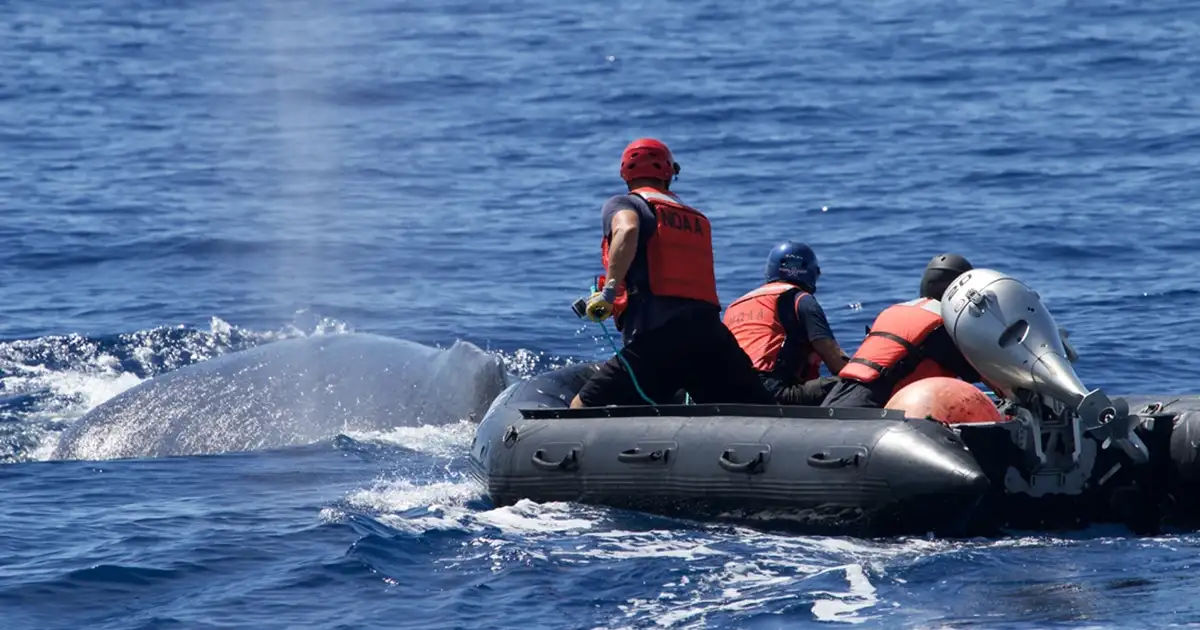
They spent hours earlier this week, risking their own safety amidst treacherous conditions, to painstakingly cut this young whale free. “Highly trained and certified,” working under NOAA Fisheries, they deployed specialized vessels and cutting tools, ultimately saving a life.
The whale, though exhausted, swam off – a small victory in a larger, ongoing battle. But the pressing question remains: why were they needed in the first place?
The Ghost Gear Scourge: A Systemic Failure
We talk about “ghost gear” – lost or abandoned fishing equipment – but do we truly grasp its devastating impact? It’s not just a benign term; it’s a silent, indiscriminate killer, a suffocating noose for marine life.
This isn’t an isolated incident; it’s a chronic, festering wound on Alaska’s pristine marine ecosystem. NOAA Fisheries confirms dozens of large whale entanglements annually in Alaska, and humpbacks, like the one just rescued, are particularly vulnerable to these submerged death traps. This isn’t just an unfortunate accident; it’s a systemic failure.
So, who is truly responsible for this discarded death trap that pollutes our vital waterways? The fishing industry. And who pays the ultimate price?
The whales, first and foremost, suffering agonizing deaths or near-misses. Then, our dedicated volunteers who sacrifice their time, their resources, and put their lives on the line to clean up someone else’s mess.
“Every time we get a call, our hearts stop a little,” a team member told KFSK. That’s the profound human cost, a burden unfairly placed on the shoulders of our community.
Where Is the Real Accountability?
NOAA Fisheries “praised” the Petersburg team, calling their expertise “invaluable.” That’s nice. It’s also utterly insufficient.
Praise doesn’t clean the ocean. Praise doesn’t prevent the next entanglement. It doesn’t fund stronger enforcement, nor does it mandate better gear management practices.
Most critically, it doesn’t hold the negligent parties accountable for the ghost gear that continues to suffocate our marine life and turn our ocean into a hazardous waste dump.
These volunteers are integral precisely because the official system is failing us. They fill a critical gap created by lax oversight and woefully insufficient preventative measures. They are our last line of defense, the emergency room doctors for an ocean desperately in need of preventative care, against a problem that should be addressed aggressively at its source.
“You feel a deep connection to these animals when you’re out there, trying to help them,” a member of the Petersburg Volunteer Whale Rescue Team told KFSK. “It’s dangerous work, but it’s incredibly rewarding.”
RED MARKER VERDICT: The Cost of Complacency
Let’s be clear: this isn’t merely a heartwarming tale of community spirit, though the volunteers deserve every ounce of our profound respect and gratitude. This is an infuriating exposé of systemic complacency, a stark reminder of our collective failure.
Regulatory bodies like NOAA Fisheries pat volunteers on the back while the very problem those volunteers tackle — derelict fishing gear — persists unchecked, year after year. The fishing industry, which profits immensely from the bounty of these waters, too often fails to bear the true cost of its discarded equipment.
The financial motive is sickeningly clear: it’s cheaper to lose gear than to retrieve it, or to invest in innovative gear that won’t become a death trap. The hypocrisy is galling: we celebrate the symptom-solvers while stubbornly ignoring the underlying disease.
Until those with real power demand ironclad accountability from the source, our volunteers will remain glorified janitors for a polluted ocean.
We need more than hollow thanks. We need decisive action. We need tangible consequences for those who turn our pristine waters into a graveyard of abandoned gear.
The time for polite praise and passive observation is over. It’s time to demand that those who profit from our ocean also protect it, or face the full force of the law.
Our whales, our dedicated volunteers, and the very future of our marine ecosystem depend on it. And we need it now.
Source: Google News