
On August 12, 2026, the sky above Britain performed a disappearing act so profound, the nation collectively held its breath. If you blinked, you missed a once-in-a-generation solar eclipse – and you won’t get another chance like it for nearly three decades.
This wasn’t just another day; it was a rare, unifying moment when millions across the country paused their daily grind, looked skyward, and became part of a shared cosmic experience. The feeling was palpable: a collective gasp as the moon’s shadow swept across our island.

The Sky’s Grand Show
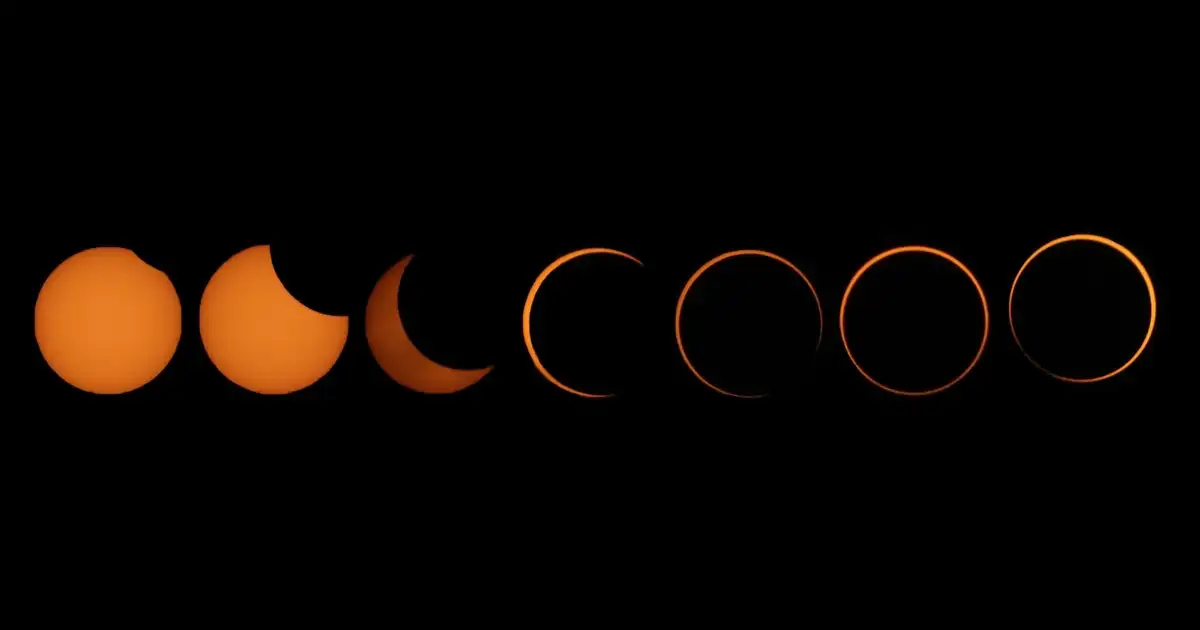
The partial solar eclipse, a breathtaking astronomical ballet, began its sweep across the UK in the late afternoon, transforming the familiar daylight into an ethereal twilight. For those fortunate enough to be in its direct path, particularly across parts of Scotland, the sun was almost entirely gone – a staggering 98% of its fiery disc swallowed by the moon’s encroaching shadow. Imagine the sun, reduced to a sliver, casting an otherworldly glow that made the afternoon feel like a strange, prolonged dusk.
Further south, in regions like Southern England, observers still witnessed an impressive spectacle, with over 90% obscuration. The sun became a dramatic crescent, a celestial fingernail hanging in the sky.
Peak viewing times, between 6:00 PM and 7:30 PM BST, saw parks, beaches, and city squares fill with eager stargazers. It was a spectacle we haven’t witnessed in decades, a stark reminder of the universe’s quiet power.
This event held immense significance, marking the most substantial solar show since the total eclipse that captivated Cornwall in 1999. Even as a partial eclipse, its impact was truly profound.
More Than Just a Shadow
Beyond the sheer spectacle, this eclipse was a goldmine for scientific observation and public engagement. Scientists, myself included, were absolutely buzzing. Dr. Anya Sharma, a leading astrophysicist, perfectly encapsulated the scientific community’s excitement:
This eclipse was a magnificent reminder of the cosmic dance our planet is part of. It’s an invaluable opportunity to engage the public with the wonders of science and the precision of celestial mechanics.
And she’s absolutely right. These events aren’t just pretty pictures; they’re potent catalysts for curiosity, pulling people into the vastness of space and reigniting a passion for scientific discovery. They offer unique data points for studying the sun’s corona, even during a partial eclipse, providing insights into our star’s complex magnetic fields and solar flares.
The public health message was equally critical. Officials tirelessly hammered home the dangers of direct sun gazing. Looking at the sun, even a sliver of it, without proper protection can cause permanent retinal damage – a stark reminder that even cosmic beauty demands respect and caution.
The relentless campaign for ISO-certified eclipse glasses paid off, making them mandatory viewing equipment. Optometrists saw a huge spike in calls, all from individuals rightly concerned about safe viewing. This public health campaign wasn’t just massive; it was a masterclass in collective safety, reaching an estimated 80% of the UK population with its vital message.
A Shared Moment, A Shared Gaze
But perhaps the most compelling story of August 12th wasn’t in the sky, but on the ground: the extraordinary human connection it fostered. From bustling city parks in London to remote Scottish highlands, millions shared a singular, upward gaze.
Strangers exchanged smiles and shared their precious ISO-certified glasses, a spontaneous act of communal generosity. Children, their faces illuminated by the crescent sun, pointed and gasped, their wonder a palpable current running through the crowds. Sarah Jenkins, a primary school teacher, perfectly captured this profound sense of unity:
It felt like the whole country paused. The children were absolutely mesmerized. It’s something they’ll remember for the rest of their lives.
This shared awe isn’t just a fleeting emotion; it’s a powerful antidote to our often-fragmented world. It reminds us of our shared humanity, of the bigger picture beyond our daily routines. It cuts through the constant noise of modern life, offering a moment of quiet, collective wonder.
And yes, even a small economic ripple followed: cafes and pubs saw more customers, and retailers selling certified glasses cleaned up, demonstrating that people were more than ready to invest in this unique experience.
The Long, Long Wait
Here’s the kicker, the stark reality that underscores the significance of that day: if you blinked, you truly missed it. The next significant solar eclipse for the UK isn’t until 2050. That’s a staggering 24-year gap.
This isn’t just a number; it’s a generational gap. Think about it: a child born today will be approaching their mid-twenties before they get another chance to witness such a spectacle.
Many of us who reveled in the 1999 total eclipse, and now in 2026, may well be looking from a different vantage point entirely by 2050. This isn’t just a date on a calendar; it’s a finite window of opportunity, a fleeting chapter in our personal histories.
These celestial events are more than just astronomical alignments; they are profound cultural touchstones. They are natural history unfolding above us, reminding us of our tiny yet significant place in the universe’s vast design. They inspire, they educate, they unite – and they demand our attention.
So, if you were among the millions who lifted your gaze, who felt that shiver of cosmic wonder, hold onto that memory. You witnessed something truly special, a rare gift from the universe.
For those who missed it, who stayed glued to their screens or their daily routines, consider this a powerful lesson: sometimes, the greatest spectacles aren’t on a screen, but right above your head. Don’t let the next one pass you by. Mark your calendars for 2050 – because a moment like this is worth waiting for, and even more, worth experiencing.
Photo: Wikimedia Commons (query: Britain eclipse)
Source: Google News