
California Shaken by Sonic Boom from SpaceX’s Secret Space Force Launch — Are We Ignoring the Hidden Costs?
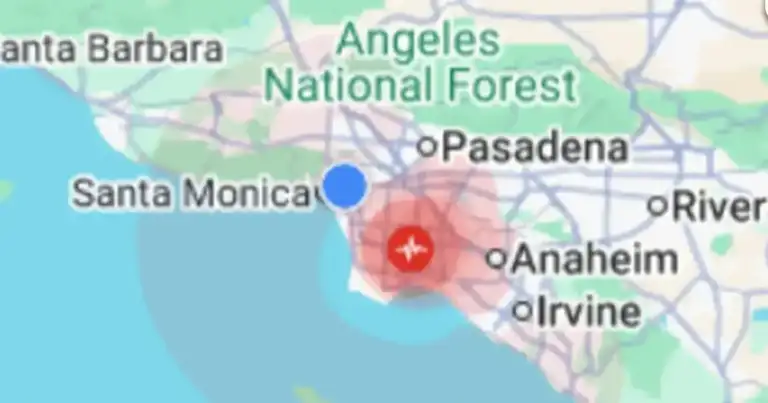
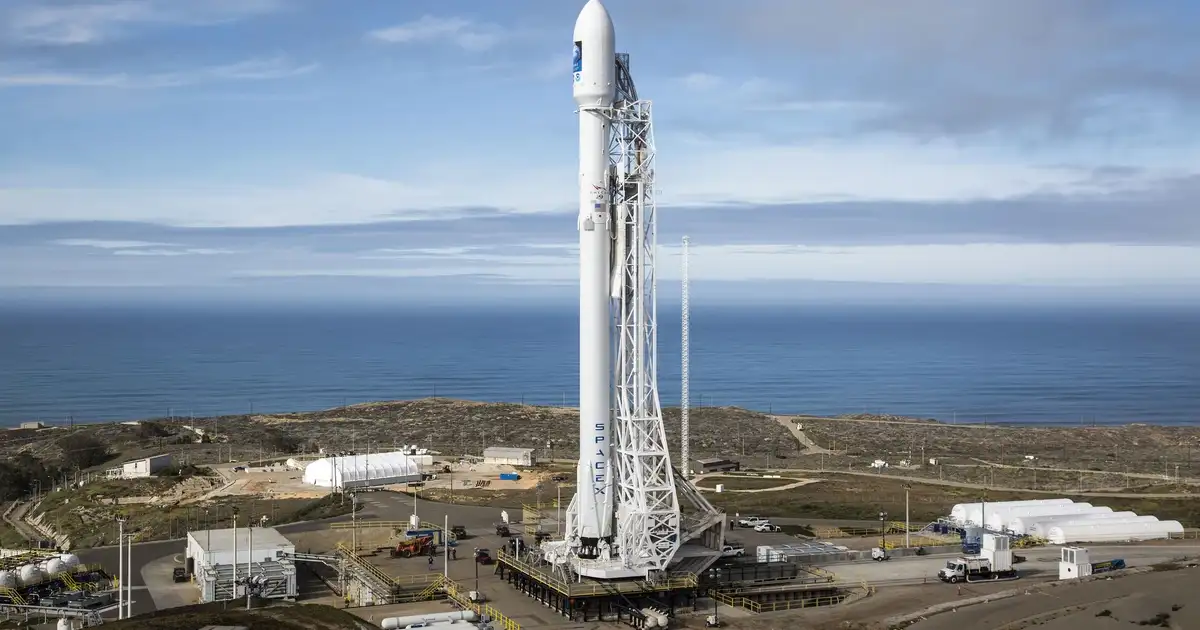
Residents across California woke to a thunderous sonic boom at dawn—an unmistakable sign of another clandestine military launch. SpaceX’s Falcon 9, carrying a top-secret payload for the U.S. Space Force, lit up the sky with a deafening blast that rattled windows and frayed nerves. But this spectacle masks a troubling reality: the rising toll of military space launches on everyday life.
Unmasking the Trend: Military Missions Go Commercial—and Noisier
This early morning launch from Vandenberg Space Force Base highlights a shift: the military increasingly relies on private firms like SpaceX to deploy sensitive satellites. These missions, aimed at missile warning and space awareness, are essential for modern warfare. Yet, as their frequency climbs, so does the noise pollution that disrupts communities and raises health concerns.

Vandenberg’s complex now leads the privatized space race, with Elon Musk’s company at the forefront. It’s about strategic dominance—at a loud, disruptive cost.
The Sonic Boom: A Soundwave of Controversy and Concern
The Falcon 9’s ascent produces sonic booms powerful enough to shake windows and trigger car alarms across California’s Central Coast and inland areas. Experts say these booms depend on altitude, speed, and atmospheric conditions, but in this case, they’re unavoidable. Authorities have issued advisories, urging residents to stay indoors.
This isn’t just noise—sonic booms cause discomfort, stress, and anxiety, especially among children and vulnerable groups. Repeated shocks can elevate blood pressure, disturb sleep, and increase stress. With launches expected to rise, the health risks of chronic noise pollution grow more pressing.
Health Impacts: The Hidden Toll of Sonic Disruptions
Sonic booms don’t cause physical injuries, but they trigger a fight-or-flight response, flooding bodies with stress hormones. Dr. Kenji Tanaka of Johns Hopkins warns, “Repeated nighttime launches can lead to serious stress and sleep issues that harm long-term health.”
While awareness might reduce anxiety, the real danger lies in ongoing loud disruptions’ cumulative health effects. Local agencies monitor noise and advise residents, but these are temporary fixes. The core issue remains: how often will we endure these shocks, and at what cost?
The Bigger Picture: Militarization of Space Becomes Louder and More Ubiquitous
This isn’t an isolated event; it signals a new era where space is a battlefield. Increased reliance on private launch providers like SpaceX means more launches, more sonic booms, and more noise in our communities.
These classified payloads are vital for national security—protecting against missile threats and maintaining space dominance. Yet, the public’s only tangible experience is the startling thunderclap. Are we prepared to accept this as the new normal?
Will policymakers recognize the health toll of these disruptions, or ignore the long-term consequences in favor of strategic gains? The loud future of space warfare isn’t just about rockets—it’s about the silent costs we’re paying in health and peace of mind.
The True Cost: Progress, Profit, and Public Health
Let’s cut through the noise—literally. The real issue isn’t just sonic booms but the prioritization of secrecy, speed, and profit over community well-being. SpaceX’s launch benefits Musk’s bottom line and military ambitions, leaving nearby residents deafened and stressed.
This trend shows space militarization accelerating at the expense of public health. Every boom is an invisible invasion—an ongoing assault on our peace and health, with little regard for those caught in the crossfire.
Are We Ready for a Future Where Space Warfare Is Loud and Cluttered?
With each sonic boom, the question intensifies: how many more shocks before noise pollution becomes an accepted part of life? Will authorities prioritize health or continue racing for space dominance? Or are we headed toward nights filled with thunder and long-term health costs?
It’s time for action. Without policies addressing these health impacts, we risk turning our communities into permanent noise zones—long-term costs we can’t afford.
Next time your house vibrates at dawn, remember: that roar isn’t just a sonic boom. It’s a wake-up call—an alarm to confront the true cost of space’s new war before silence becomes impossible and health pays the price.
Source: Google News