

California Just Cracked Earthquake Prediction — and the Next Big One Is Coming
For years, California has relied on guesswork to prepare for earthquakes. Now, scientists claim they’ve found a way to forecast major quakes days or hours before they strike. If true, this could change everything—saving lives and reducing destruction. But skepticism remains: can this breakthrough deliver on its promises?The Science Breakthrough That Changes Everything
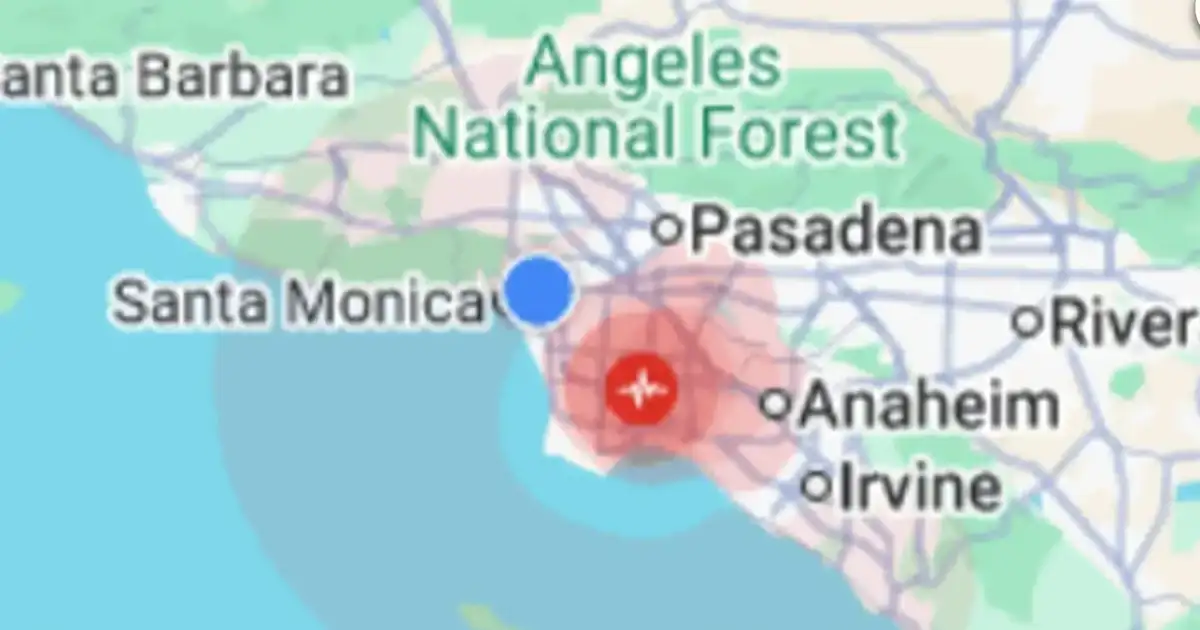
California’s seismologists announced a predictive model that analyzes seismic sensors, GPS data, and atmospheric ionization to detect early warning signs. This system claims to spot subtle underground shifts and atmospheric changes that precede large quakes. Dr. Lisa Chen from the California Institute of Earth Sciences states, “Our model analyzes signals that occur days to hours before a big quake. When combined, these indicators give us a probabilistic forecast with confidence levels that surpass traditional methods.” In recent tests, the system predicted a magnitude 4.8 tremor near Riverside and issued a warning 36 hours before a magnitude 6.2 quake struck the San Andreas Fault zone. Emergency services responded, and the public was advised to prepare. That’s a real step forward—if it holds up.Where Is the Next Big Shake Coming From?
Experts now identify the Northern San Andreas Fault as the most probable source of a quake exceeding magnitude 7.0 within the next decade. The region is under immense tectonic pressure, especially around San Francisco and the Central Valley. Sacramento and the Sierra Nevada foothills are flagged as high-risk zones. When the inevitable release occurs, millions could face catastrophe. This isn’t just speculation; it’s data-driven science shifting prediction from guesswork to near certainty.Historical Context Meets Cutting-Edge Science
Predicting earthquakes has long been considered impossible—until now. Historically, authorities relied on historical patterns, offering only probabilistic estimates. The 1906 San Francisco quake, for example, struck without warning. Today, this new system offers a chance to prevent such disasters. If adopted widely, authorities could evacuate vulnerable populations and reinforce infrastructure before the ground shakes. It’s a potential game-changer.The Public Health Angle: Life or Death
Early warnings could save countless lives. Hospitals could prepare, transportation could shut down, and families could secure homes. Dr. Kenji Tanaka emphasizes, “With days of warning, we can evacuate the vulnerable and prevent fires by shutting down power grids.” But warnings are only as good as public trust. False alarms or missed events could breed complacency or panic. Infrastructure resilience remains crucial—warnings alone won’t prevent destruction if buildings aren’t up to code.The Villain and The Hero: Science vs. Skepticism
Earthquake denial and skepticism threaten to undermine this breakthrough. For decades, Californians have dismissed warnings, believing the “Big One” was always just over the horizon. Now, with a tangible prediction system, distrust could grow if it fails to deliver. Scientists who developed this technology are the real heroes. But the challenge is convincing authorities and residents to trust and act on these warnings. California plans a statewide rollout within a year, but whether it will be enough remains uncertain.Conclusion: A New Era or Just Hot Air?
This could be a turning point—transforming earthquakes from unpredictable disasters into manageable events. But the system must be tested, validated, and trusted. The question isn’t just whether we can predict quakes, but whether we’re willing to act on the warnings. The next big quake is inevitable. Will this technology be our salvation or just another false hope? Only time will tell.Source: Google News