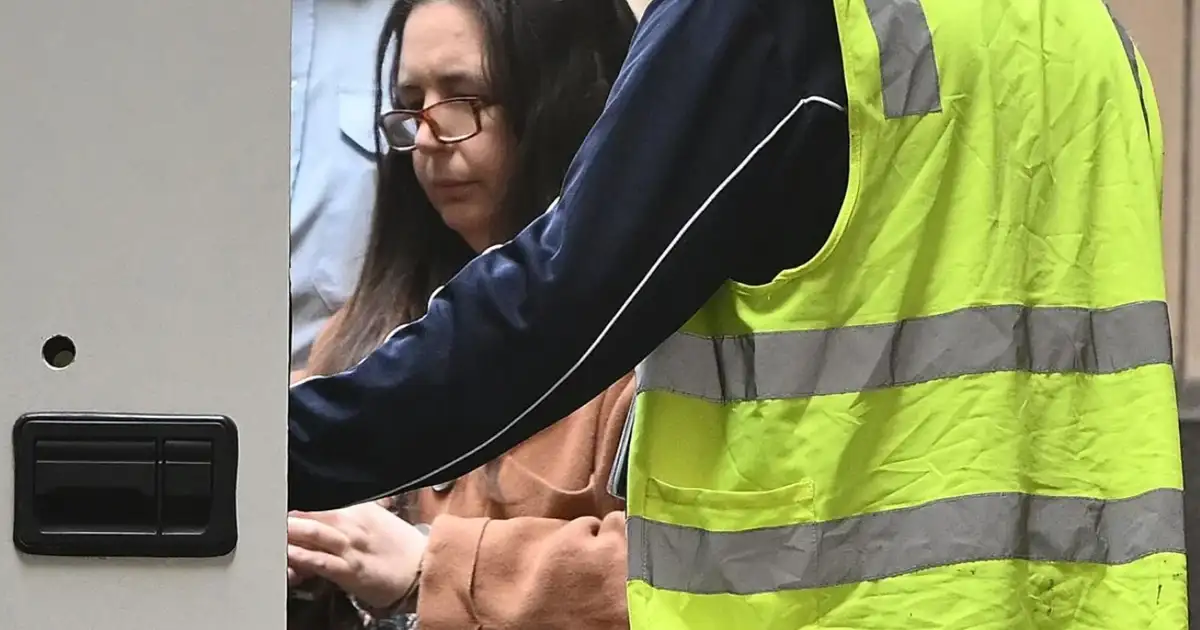

The Poisoning Case That Could Shatter Australian Justice
Erin Patterson’s conviction for poisoning her family has sparked fierce debate over forensic science’s reliability and Australia’s justice system. If her appeal succeeds, it could unravel decades of legal precedent and expose dangerous flaws in how courts interpret natural toxins and motive in murder trials.
Three Dead, One Woman’s Life Ruined
Late 2022, in Leongatha, Victoria, a family tragedy unfolded that shocked the nation. Three members of the Patterson family—Karen, Don, and David—died within days, their bodies showing symptoms consistent with mushroom poisoning. Erin Patterson was quickly accused after forensic analysts identified the deadly Agaricus xanthodermus in the victims’ stomachs. Prosecutors painted her as a cold-blooded killer motivated by greed and family disputes over inheritance.
In July 2026, she was sentenced to life, accused of calculated poisoning. But her upcoming appeal questions the foundation of that conviction. Her lawyers argue forensic evidence was flawed—based on scientific misinterpretation and procedural errors. The key issue: was justice truly served or does the real killer still walk free?
The Forensic Fiasco or Flimsy Evidence?
The case hinges on identifying Agaricus xanthodermus. The prosecution’s expert, Dr. Lisa Chen, confidently claimed the mushroom was present in the victims. Her testimony was pivotal. But Erin’s defense challenges this, saying the identification was inconclusive. Fungi are notoriously tricky—species look alike, lab errors are common.
Forensic science involving natural toxins like fungi remains uncertain. Experts outside court question whether the mushroom was definitively Agaricus xanthodermus or a lookalike. If misidentification occurred, the entire case collapses: no poison, no murder, no guilt.
Adding to doubts, evidence from victims’ meals and kitchen environments has been questioned. Were samples contaminated? Were procedures mishandled? The defense claims procedural errors cast doubt, reducing the case to circumstantial suspicion rather than solid proof.
Legal Hurdles or Genuine Doubts?
The appeal focuses on whether forensic identification was scientifically sound and legal standards were followed. The defense argues the court misapplied Australian principles on intent and causation—especially when natural toxins and misidentification are involved.
Proving intent in Australia is tough. When fungi are unpredictable, the case becomes a high-stakes gamble. The defense aims to show evidence was unreliable and procedures flawed. Success could mean a retrial or her release; failure would uphold her life sentence.
Legal experts note courts tend to uphold convictions if evidence is properly admitted. But with complex biological evidence, courts are willing to reconsider. The late September 2026 decision could reshape how natural toxin cases are prosecuted in Australia.
The Public and Scientific Backlash
This case has ignited debate. Social media is divided—many believe Patterson is guilty, citing motive and forensic evidence. Yet, scientists warn about the limits of forensic mycology. A misidentification could mean convicting an innocent woman while the real killer remains free.
The scientific community calls for stricter standards in forensic toxin identification. Australian courts face pressure to prove their methods are reliable—or risk setting a dangerous precedent. This isn’t just about one woman; it’s about the integrity of forensic science itself.
Who Wins, Who Loses?
If Patterson’s appeal succeeds, it will shake the Australian justice system, prompting reforms and higher standards for forensic evidence. That’s positive—if the science is flawed, it must be fixed. But it also risks freeing a probable killer or punishing an innocent woman based on shaky science.
The prosecution’s reliance on a tricky mushroom species and a single expert was a gamble that backfired. They bet on certainty of identification, ignoring fungi’s inherent ambiguity. This could set a dangerous precedent—justice built on fragile fungi.
Patterson’s lawyers rely on procedural errors and scientific doubts to overturn her conviction. They argue her motive is weak, evidence unreliable, and guilt unproven beyond a reasonable doubt. They seek her freedom, but if she’s guilty, it exposes systemic flaws; if innocent, the case highlights failures in the system.
The Big Question: Will Justice Be Truly Served?
The court’s decision depends on whether the appellate panel trusts forensic science or recognizes the risk of misidentification. Will they see through doubt, or rubber-stamp a conviction based on questionable evidence?
By late 2026, this case could redefine Australia’s approach to poisoning prosecutions. Will it establish a new standard of scientific rigor, or reveal the system’s vulnerability to flawed science? The outcome will resonate far beyond Leongatha.
If Patterson’s conviction is overturned, it would be a victory for scientific integrity and justice. But if upheld, it’s a reminder that in the murky world of natural toxins, truth can be as elusive as a mushroom in the dark—and justice as fragile.
The Final Word: A Poisoned System or a Poisoned Meal?
This case tests whether Australia’s justice system can handle the complexities of natural toxins and scientific evidence. It questions whether justice is based on certainty or convenience.
In mushroom murders, the truth is often as elusive as finding a fungus in the dark. If Patterson walks free, it’s a warning—trust the science, or face its failures. The real question isn’t just her guilt, but whether the system that convicted her can be trusted—or if it’s about to collapse under its own hubris.
Photo: COPYRIGHT, 2009
Source: Google News