
Lebanese President Michel Moawad’s Historic Visit to Pope Leo at the Vatican: A Diplomatic Milestone in Turbulent Times
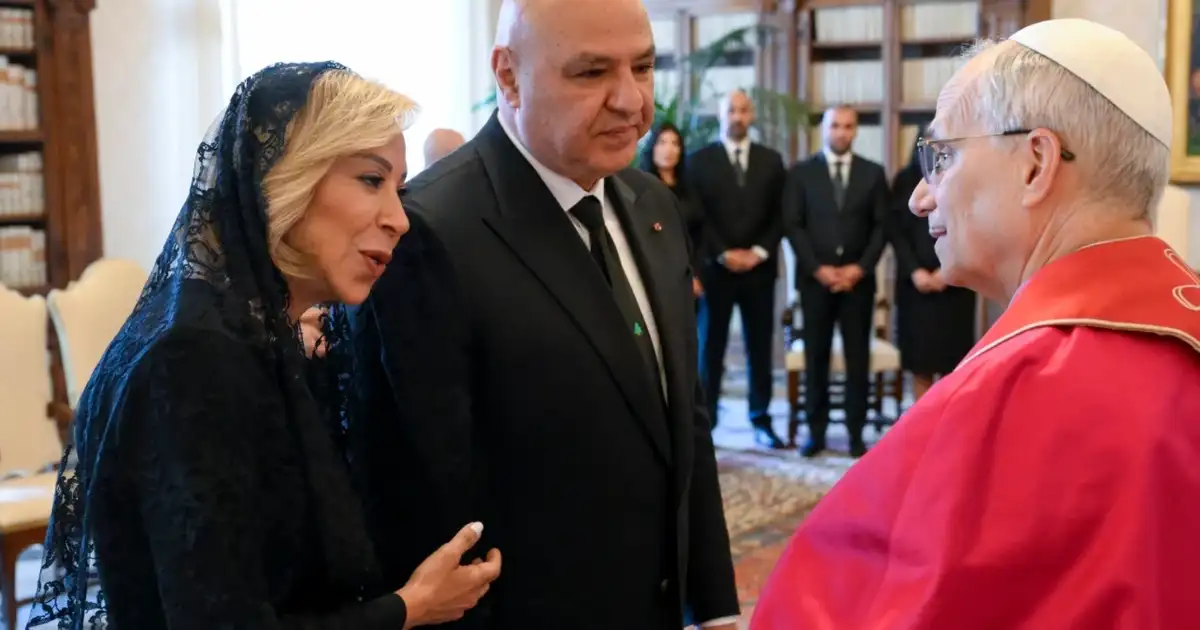
In a move that signals a renewed emphasis on religious diplomacy amid Lebanon’s ongoing crises, Lebanese President Michel Moawad is scheduled to meet with Pope Leo at the Vatican, a trip officially confirmed by Lebanese government sources on August 19, 2026. This visit marks a significant chapter in Lebanon’s diplomatic efforts to navigate regional tensions and internal instability, highlighting the pivotal role of the Vatican in Middle Eastern peace efforts.
Context of the Visit: Navigating a Fragile Landscape
Lebanon’s political and economic landscape remains perilous. Since 2019, the country has endured a dramatic contraction of approximately 75% in its GDP, with inflation soaring beyond 500% in several sectors. The Lebanese pound continues to devalue sharply, leaving many citizens in dire straits as basic commodities become increasingly unaffordable. Amid this backdrop, the Lebanese government has intensified its calls for international aid—seeking over $2 billion—yet political disagreements have hindered the flow of vital support.
Regional tensions further complicate Lebanon’s predicament. The influence of Hezbollah, the spillover from the Syrian conflict, and the unpredictable stance of neighboring Israel all contribute to a complex geopolitical environment. President Moawad’s upcoming visit to the Vatican is thus seen as a strategic diplomatic move to bolster Lebanon’s sovereignty and seek moral and spiritual support from the global Catholic community.
The Vatican’s Role: A Mediator for Peace
Pope Leo has long been a vocal advocate for peace and stability in the Middle East. His recent statements emphasizing religious tolerance, humanitarian aid, and dialogue among conflicting parties resonate strongly with Lebanon’s multifaceted society. The Vatican’s history of mediating in regional conflicts provides a hopeful backdrop for this visit, which could serve as a catalyst for renewed international attention and aid efforts.
“Lebanon’s multi-confessional society makes religious diplomacy an essential tool in its quest for stability,” said a Lebanese diplomatic source. “President Moawad’s visit underscores the importance of leveraging faith-based diplomacy to foster peace and mobilize support.”
Implications for Lebanon and Regional Dynamics
This diplomatic engagement offers Lebanon an opportunity to diversify its international alliances beyond regional powers like Iran and Syria, which have historically exerted influence over Lebanese politics. By engaging directly with the Vatican, Lebanon signals a desire to strengthen ties with global religious institutions and foster interfaith dialogue, crucial for healing internal divisions.
For the Vatican, this visit aligns with Pope Leo’s ongoing efforts to promote peace and humanitarian aid in conflict zones. It also presents a chance to influence international aid policies and advocate for the plight of Lebanese civilians suffering under economic collapse. The visit could serve as a diplomatic bridge, encouraging greater international cooperation to address Lebanon’s urgent needs.
Looking Ahead: A Hopeful Sign in Troubled Times
While Lebanon’s challenges remain daunting, President Moawad’s visit to the Vatican offers a glimmer of hope. It exemplifies how faith, diplomacy, and international cooperation can converge to support a nation teetering on the brink of collapse. As regional actors watch this development closely, the world will be eager to see if this religious diplomacy can translate into tangible aid and lasting peace for Lebanon.
In these turbulent times, Lebanon’s resilience will depend not only on economic reforms but also on the strength of its diplomatic and spiritual alliances. The Vatican’s engagement is a step forward, emphasizing that in the face of chaos, dialogue and faith remain vital tools for hope and recovery.
Photo: Wikimedia Commons (query: Michel Moawad)
Source: Google News