
The Hidden Power Shift in Iran: Unmasking the Shadow Commander
Iran’s political landscape is shifting beneath the surface, with a new power broker emerging that could reshape regional stability. The “invisible Ayatollah” may be losing influence, replaced by a military figure pulling the strings behind the scenes. This change threatens to alter Iran’s trajectory significantly.
Who Is Really Running Iran?
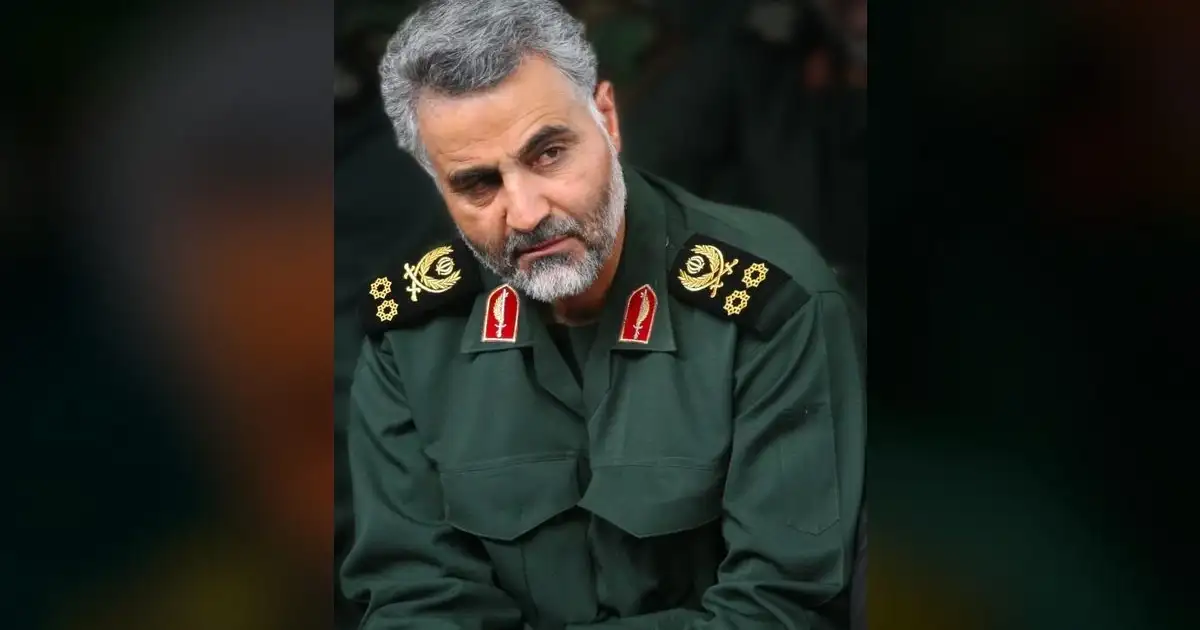
Recent reports suggest Ayatollah Khamenei’s health is declining, raising questions about who controls Iran. Veteran journalist David Patrikarakos points to IRGC general Esmail Ghaani as the real power. Since taking over the Quds Force after Soleimani’s death, Ghaani has quietly expanded his influence, operating with independence from the cleric.

Ghaani’s role in directing Iran’s proxy wars, regional alliances, and nuclear efforts indicates a shift toward military dominance. His influence bypasses traditional political and religious authorities, making Iran’s future more unpredictable and aggressive.
The Rise of the Shadow Commander
Ghaani’s military background and covert operations experience make him a dangerous figure. He supports Hezbollah, backs militias, and pushes Iran’s nuclear ambitions. This isn’t just a government—it’s a military-led regime in disguise, with the IRGC at its core.
Sources confirm Ghaani has expanded his decision-making power, shaping Iran’s regional posture and reducing clerical influence. His rise suggests Iran may pursue more reckless policies, less constrained by diplomacy.
Why Does This Shift Matter So Much?
If Ghaani holds the reins, Iran’s theocratic authority becomes secondary. A military-led Iran is more prone to reckless actions, escalating proxy conflicts, advancing nuclear programs, and dismissing diplomatic norms. This transition could ignite regional instability and increase the likelihood of confrontation.
Diplomatic efforts over Iran’s nuclear program face new hurdles. Military influence means negotiations risk becoming a game of brinkmanship, with strategic deterrence prioritized over compromise. The potential for miscalculation grows.
Regional and Global Repercussions
This power shift impacts the Middle East and beyond. Gulf states, Israel, and global powers are recalibrating strategies. An Iran led by the military could escalate conflicts, intensify proxy wars, and threaten wider instability.
Western intelligence warns of accelerated nuclear pursuits. The Biden administration faces a choice: pursue diplomacy or prepare for increased sanctions, covert operations, and possible conflict. The world must consider whether it’s ready for a less theocratic, more militarized Iran that may act more aggressively.
Lessons from Iran’s Past and a Look Ahead
Post-1989 Iran saw internal power struggles after Khomeini’s death. Today’s scenario echoes that chaos but with cyber warfare, proxy armies, and nuclear risks. If Ghaani becomes the de facto leader, Iran might prioritize military power over religious legitimacy, risking chaos or authoritarian stability.
The key question is whether this transition leads to open conflict or a quiet consolidation of power. Either way, expect Iran to become more unpredictable and militarized, with diplomacy taking a backseat.
Who Truly Holds Iran’s Reins?
David Patrikarakos calls Ghaani Iran’s “shadow commander,” a warning sign of who really pulls the strings. As Khamenei’s influence wanes, the future hinges on IRGC generals. The West’s focus should shift from clerics to dismantling Iran’s military elite, employing targeted sanctions and covert measures.
History shows Iran’s military coups and power grabs are not new. But with nuclear weapons involved, the stakes are higher. The world must recognize that whoever controls Iran’s military will shape its destiny—and ours—in the coming years.
Photo: khamenei.ir
Source: Google News