
Israel’s Settlement Expansion Pushes Palestine Toward a Permanent Split
Israel accelerates settlement expansion in the West Bank, risking the collapse of a unified Palestinian state. This move threatens regional stability and Palestinian sovereignty, carving the land into disconnected fragments that could make peace impossible.
The Facts Are Clear: Israel Is Moving at an Unprecedented Pace
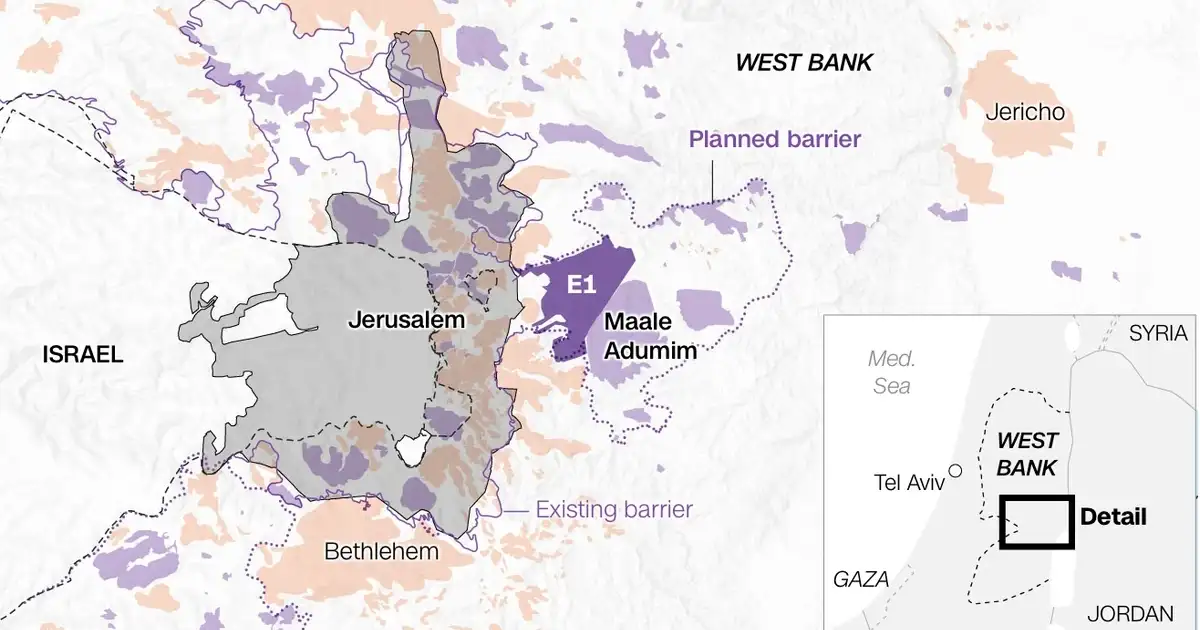
In the past 48 hours, Israel announced plans for new neighborhoods in strategic areas like Efrat and Givat Ze’ev, involving thousands of settlers and potentially housing up to 100,000 residents. These projects deepen Israeli control over Palestinian land, complicating peace talks.

The international response is mostly condemnation. The UN, EU, and Arab nations call the settlements illegal and destabilizing. The UN Human Rights Council labels them a “violation of international law,” but the Biden administration’s tepid concern signals a lack of real pressure.
Palestinian leaders, including Mahmoud Abbas, see these expansions as betrayals that threaten the very possibility of a viable state. They accuse Israel of strategic land grabs designed to fragment Palestinian territory into isolated enclaves.
Palestinian Fragmentation: The Growing Threat
This isn’t just about new neighborhoods; it’s about the future of Palestinian land. Continued expansion risks splitting Palestine into Gaza and the West Bank—two separate entities since 2007—deepening division and eroding hopes for unity.
If this trend persists, the Palestinian Authority’s influence will diminish. Gaza could become an independent de facto state under Hamas, while the West Bank turns into a patchwork of settlements and Palestinian communities, each with its own realities.
The dream of a two-state solution fades as these regions drift further apart, leaving two disconnected Palestinian entities unlikely ever to reunify.
The Motivations Behind the Expansion
Israel claims settlements are vital for security and historical rights, dismissing international criticism. They frame expansion as a legitimate pursuit of security and national identity.
Palestinians see it differently—an aggressive land grab eroding their rights and sovereignty. The expansion turns the West Bank into a mosaic of settlements, destroying the possibility of a contiguous Palestinian state.
Global actors call for negotiations, but their words often ring hollow. The UN warns expansion hampers peace, yet Israel continues, banking on international fatigue and strategic alliances to shield its policies.
Numbers That Reveal the Scale of the Problem
- Over 450,000 Israeli settlers currently reside in the West Bank.
- New plans could add 50,000 to 100,000 settlers—more than doubling the current population.
- Over 200 Palestinian structures have been demolished this year, mainly due to permit denials that are nearly impossible for Palestinians to obtain.
- Seventy percent of Palestinians oppose further settlement expansion, viewing it as land theft and an obstacle to peace.
What’s Next? Deepening Divisions and Rising Violence
Settlement expansion fuels violence and widens divisions. Each new neighborhood crushes Palestinian hopes, making a two-state solution less feasible. This isn’t just about land—it’s about sovereignty and regional stability.
With no peace negotiations in sight, Gaza and the West Bank grow more separate—each with its own government and security. This fragmentation risks escalating tensions, with regional powers warning of broader destabilization.
Why the World Must Act Now
This isn’t a distant conflict; it’s a ticking time bomb. More division means more violence, refugees, and instability. The international community’s silence only encourages Israel’s expansion, pushing peace further away.
Every new settlement accelerates the disintegration of Palestinian territory, making peace impossible and regional chaos more likely. Urgent action is needed before these divisions become irreversible.
The Urgent Call: Wake Up Before It’s Too Late
This expansion isn’t just policy; it’s a declaration of territorial and political war. The world’s silence amounts to complicity—accepting a future where Palestine is permanently fractured. The more Israel advances, the more peace slips away.
Will global leaders finally demand accountability? Or watch helplessly as Palestine is partitioned into disconnected parts? The choices made now will shape whether peace remains a distant hope or gives way to chaos. The time to act is now—before divisions become permanent.
Photo: Wikimedia Commons (query: Israel settlement expansion)
Source: Google News