
Italy’s Flood Disaster Proves Climate Change Is Here and It’s Ruthless
In a stark reminder that climate change is no longer a distant threat but a relentless reality, northern Italy is currently battling catastrophic flooding that has left communities devastated and authorities unprepared. This is not a random act of nature; it is the consequence of decades of neglect and insufficient action in the face of mounting scientific evidence.The Floods, The Damage, and The Dead
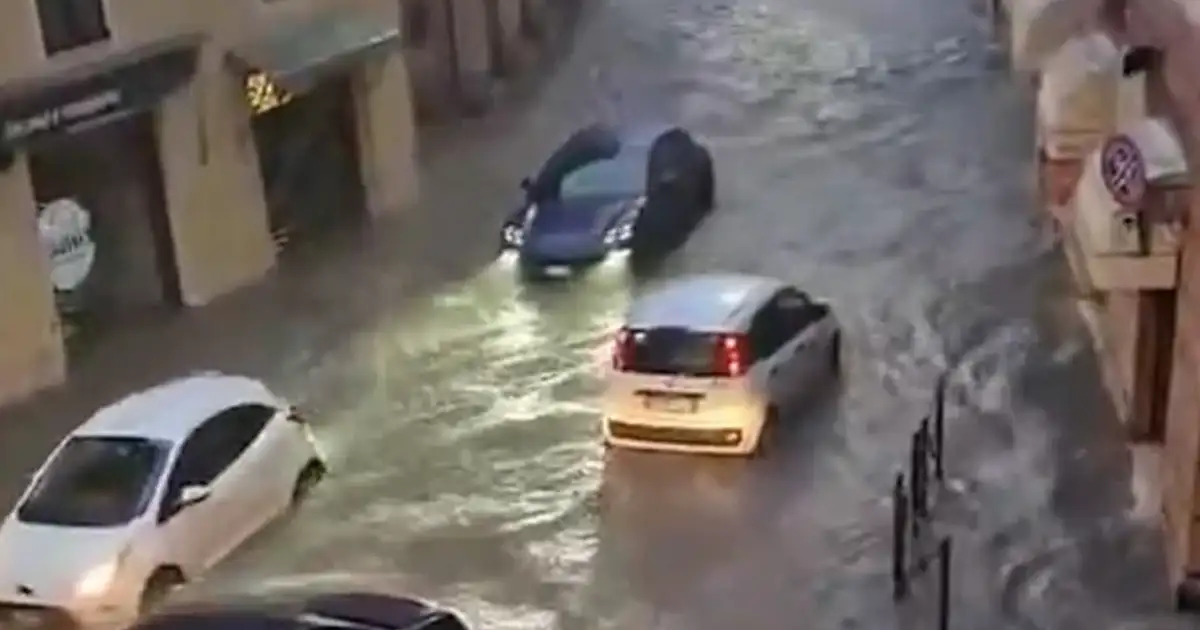
Over a brutal 48-hour period, the Alps unleashed more than 150mm of rain across Italy’s most affluent and densely populated regions—Lombardy, Veneto, and Piedmont. Rivers such as the Po, Adige, and Ticino surged past historic flood levels, with the Po River—the country’s longest—approaching thresholds unseen since devastating floods in 2000. Piacenza and Cremona are now on the brink of disaster, with the threat of entire towns being submerged or wiped out. The human toll is already staggering: – At least 12 confirmed fatalities, primarily from collapsing structures and swift-moving waters. – Hundreds rescued from rooftops and stranded in flooded streets. – Critical infrastructure—bridges, roads, railways—either submerged or toppled, crippling regional transport networks. – Tens of thousands left without power. – Farmlands, particularly rice paddies and vineyards, either destroyed or contaminated, threatening local economies and food security. This disaster should serve as a clarion call across the European Union, yet it feels like only the tip of an iceberg that will grow larger if governments continue to treat climate change as an afterthought rather than an urgent crisis.It’s Not Just Weather — It’s Climate Change in Action
The reality is undeniable: these floods are not mere freak events. They are symptomatic of a warming planet that is unleashing more extreme and unpredictable weather patterns. The European Environment Agency (EEA) has documented a clear uptick in the frequency and intensity of heavy rainfall events in the Alps and northern Italy over the past decade. Climate models predict that such intense storms will become more frequent and severe, not less. Yet, Italy’s current climate adaptation strategies remain woefully inadequate. Despite acknowledging climate change as a “key factor,” the government’s investments in flood defenses and river management are grossly insufficient. Meanwhile, communities bear the brunt of a systemic failure—poor infrastructure, outdated flood barriers, and minimal investment in resilient systems. Ask yourself: why did Italy’s flood defenses crumble so spectacularly? Why are vulnerable towns still exposed when science has been warning us for years? The answer is clear: political inertia, short-term budgets, and a preference for superficial fixes over sustainable solutions. Critical investments—such as reinforcing levees, dredging rivers, and modernizing urban drainage—remain sidelined.The Villain and The Weak Link
The true villain isn’t just climate change itself; it’s the widespread political inaction that perpetuates vulnerability. Italy’s leaders have consistently underfunded flood mitigation efforts, allocating a mere €500 million—pocket change compared to the scale of the threat. Dithering and delays have left communities exposed, with infrastructure that’s ill-equipped to handle the new climate reality. The Po River, once a symbol of Italy’s rich waterways, is now choked with silt and debris—an accident waiting to happen. Authorities have known for years that river dredging and maintenance are critical, yet action remains absent. Prime Minister Giorgia Meloni’s rhetoric about “supporting communities” rings hollow when infrastructure continues to crumble under neglect. Meanwhile, regional governor Luca Zaia calls for a “national strategy for climate adaptation,” but where is the action? Where is the funding? The core issue is complacency—an attitude that treats these disasters as inevitable or manageable without fundamental change. Climate scientists have been warning that such events will intensify, urging governments to overhaul water management and invest in resilient infrastructure. But political leaders prefer to kick the can down the road, avoiding the hard decisions that could save lives.This Is the Wake-Up Call Europe Ignored
History has shown us this story before: floods in 1966, 2000, 2014—each a painful reminder that inaction breeds catastrophe. Yet, each time, responses have been half-hearted at best. Today, climate change has amplified the stakes—making these disasters more frequent and destructive. The evidence is irrefutable: – The EEA reports that extreme weather events are 30% more likely due to global warming. – Climate projections forecast a sharp rise in heavy rainfall in the Alps and northern Italy. – Italy’s infrastructure remains largely unadapted, built for a climate that no longer exists. This is not merely Italy’s problem; it’s Europe’s collective crisis. If the continent truly aims to safeguard its citizens, it must confront the uncomfortable truth: climate change is here, and it is wreaking havoc now. Pretending otherwise only ensures more suffering.The Future Looks Flooded if We Keep Ignoring It
Every flood, every life lost, every home submerged represents a stark warning—yet, will it be enough to catalyze meaningful action? Or will we continue to dismiss these disasters as isolated incidents, hoping they’ll somehow resolve themselves? The question is urgent: how many more tragedies must occur before policymakers recognize that we are in the midst of a climate emergency? How many communities must be devastated before decisive, large-scale investments in flood defenses and climate resilience are made? If Italy and the wider European Union fail to act now, this will merely be the beginning. Flooding will become an annual threat, infrastructure will crumble under relentless pressure, and human suffering will escalate exponentially. The climate does not pause for political debates or budget cycles—it simply responds to the actions we take or neglect.Final Shot: It’s Time to Stop Playing Climate Politics and Start Protecting Our Future
The ongoing Italian floods expose a dangerous complacency rooted in political hypocrisy and short-term thinking. Leaders talk about “support” and “recovery,” but their unwillingness to invest adequately in resilience condemns communities to repeat this cycle of destruction. The critical question remains: will Europe finally prioritize climate resilience, or will it continue to wait for the next disaster to force action? The answer—whether we survive or succumb—depends on whether we choose to act decisively now. One thing is certain: if we continue to ignore the warnings, the water will keep rising—flooding more homes, claiming more lives, and swallowing entire regions. This isn’t just a natural disaster; it’s a warning shot—a wake-up call that we cannot afford to ignore any longer. Our future depends on whether we respond with courage, investment, and political will, or whether we let climate change drown us all.Photo: 1st Lt. Katherine Sibilla
Source: Google News