
Two Men Survive Five Days Trapped in a Cold Container at Sea — Humanity or Mere Luck?
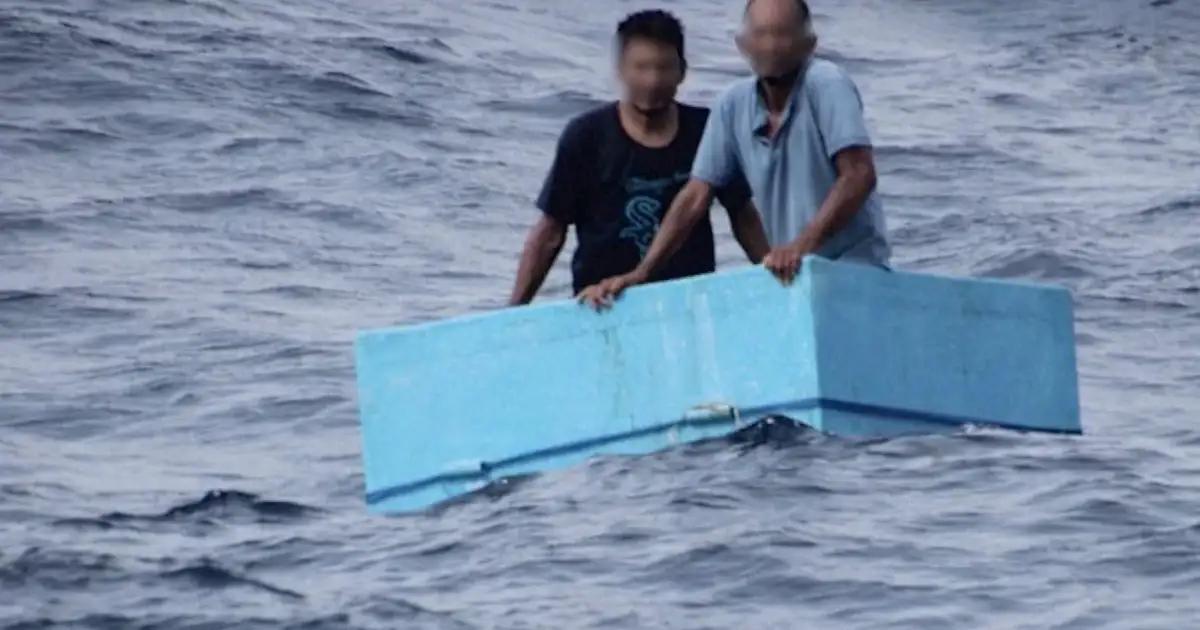
Two men spent five days sealed inside a refrigerated shipping container drifting in the Gulf of Mexico. Their survival isn’t just luck; it’s a stark reminder of a system riddled with greed, recklessness, and deadly shortcuts. This isn’t a story of heroism alone; it exposes how far smuggling networks will go—and how little is being done to stop them.
The Cold, Harsh Reality of a Near-Death Ordeal
Off the coast of Veracruz, Mexico, two men were found alive after being trapped inside a sealed cooling container lost at sea. The Mexican Navy (SEMAR) believes they are migrants or desperate workers trying to reach the U.S. or escape poverty. Their rescue came after a fishing vessel spotted the drifting container, sparking a frantic search.

The container, meant for perishable goods, was likely repurposed illegally for human smuggling. Inside, oxygen was dangerously low, humidity high, and temperatures plummeted to freezing. Against all odds, these two refused to surrender. Their survival reveals the brutal risks of such journeys. They were exhausted, dehydrated, but alive—now in stable condition at a hospital.
Key Details: What We Know So Far
- Time and Location: Rescued five days ago off Veracruz, Gulf of Mexico.
- Rescue Operation: Mexican Navy vessels located and freed the men after a fishing boat tipped them off.
- Current Condition: Both men are stable, undergoing medical assessment.
- Investigation: Authorities are probing the smuggling ring and trying to identify the survivors.
This isn’t an isolated incident. It’s part of a brutal pattern exposing the dark core of human smuggling. These networks prioritize profit, cutting safety corners and sacrificing lives without hesitation. Yet stories like this serve as a visceral reminder: even in the face of impossible odds, some cling to life. Still, these journeys are reckless, deadly gambles with the vulnerable as the stakes.
The Bigger Picture: Smuggling, Death, and Human Resilience
This incident is just the latest chapter in a tragic saga. The Gulf remains one of the most dangerous routes for migrants risking everything for a shot at a better life. Smugglers exploit desperation—using refrigerated containers? That’s no accident. It’s a calculated move—cheaper, faster, deadlier. Over five years, more than 300 migrants have perished in this region, their lives sacrificed for profit.
Recall 2019, when a similar case made headlines—migrants surviving days at sea inside a container, only to succumb to brutal conditions. These survivors are the exception. Most journeys end in tragedy. Smuggling rings operate under the assumption that cutting costs and pushing boundaries will beat the deadly odds—because they see human life as expendable.
The Human Toll and Political Echoes
For Americans and others watching, this exposes systemic failure at the border. These tragedies aren’t isolated—they’re symptoms of a broken system. Smuggling networks thrive because legal pathways are clogged, enforcement is underfunded, and political will is absent. How many more lives must be lost before policymakers act?
Mexican authorities promise crackdowns and increased patrols, but smugglers adapt faster than law enforcement can respond. Politicians talk tough, yet policies remain ineffective. Smugglers operate with impunity, knowing dumping a few bodies is just part of their business model.
Who’s the Real Villain? The Smugglers or the System?
The immediate villains are the smugglers—no doubt. But the real blame lies with systemic failures that enable these operations. Broken immigration policies, corruption, and a lack of legal routes create the perfect storm. These men survived because they were lucky; countless others aren’t so fortunate. It’s not just about crossing borders illegally—it’s systemic neglect that allows these networks to thrive unchecked.
Invoking “human rights” ignores the rights of those who die because of systemic indifference. Smugglers do what they’re paid for; the real villain is the broken system—its corruption, lack of enforcement, and political cowardice.
The Bottom Line: Survival Is a Warning, Not a Victory
Surviving five days in a cold, sealed container isn’t a triumph—it’s a warning. It exposes a migration system that sacrifices lives for profit. This story should be a wake-up call to anyone believing softer policies can fix a crisis rooted in systemic failure.
Will this finally push politicians to confront the reality? Or will it fade into the endless cycle of border chaos? As long as smuggling rings operate in the shadows, more lives will be lost, and more stories like this will surface—stories of luck, resilience, and systemic neglect.
Survival in a freezer container is a miracle. But it’s also a brutal reminder: until we address the greed, corruption, and political cowardice fueling this chaos, more tragedies are inevitable.
Source: Google News