
Indiana’s Power Outage Exposes a System on the Brink of Collapse
A fierce storm swept through Indiana late Sunday, leaving over 30,000 residents in the dark and exposing a crumbling infrastructure unprepared for climate chaos. The question isn’t just about the storm — it’s why systems failed so spectacularly when it mattered most.
The Hard Facts: What Just Went Down
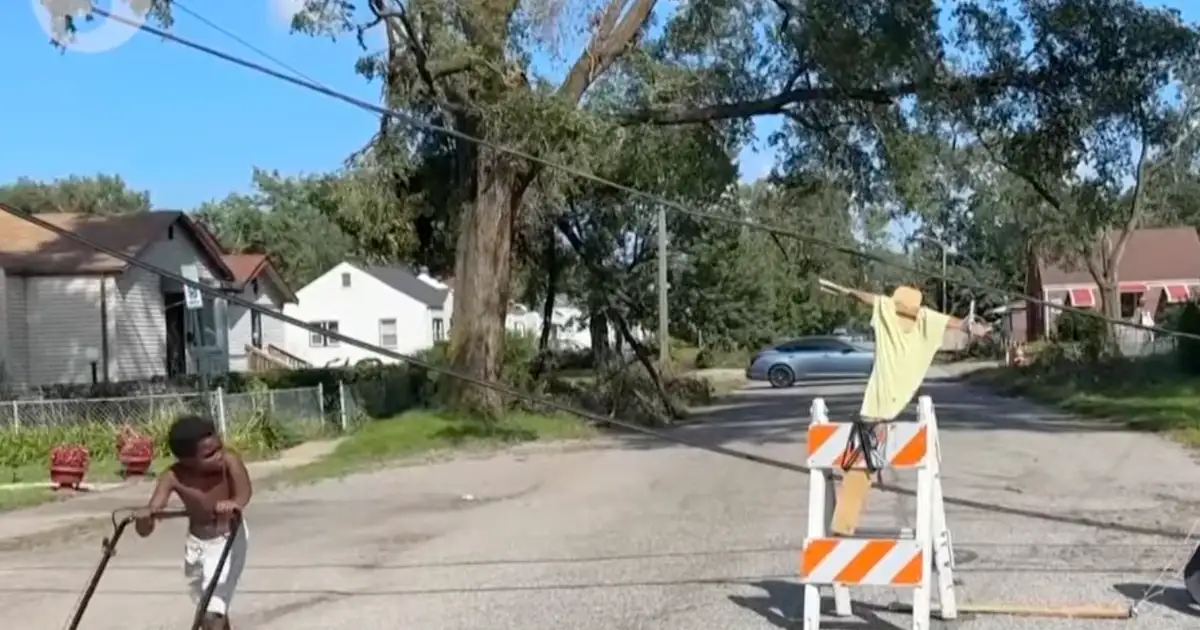
Late Sunday night, winds over 70 mph tore through Indiana, snapping power lines and uprooting trees. Roads became rivers of debris, blocking rescue efforts. As of August 23, power remains out for thousands, with some rural areas facing longer outages due to damaged terrain. Emergency crews are stretched thin, revealing how fragile and underfunded Indiana’s infrastructure truly is.

Families are suffering — food supplies dwindling, water contaminated, shelters overwhelmed. Flooded roads hinder aid, turning recovery into a logistical nightmare. The storm’s aftermath is a stark reminder that our systems are dangerously unprepared for climate-driven disasters.
The Human Toll: Families in Crisis
- Food and Water Shortages: Rural families have exhausted perishables and bottled water. Food banks are overwhelmed, struggling to meet demand.
- Water Woes: Water treatment plants are compromised, forcing residents to boil water. Bottled water remains scarce, especially in underserved neighborhoods.
- Shelter Chaos: Emergency shelters are overcrowded, unable to provide adequate refuge. Officials call for federal aid and volunteers to distribute supplies and protect vulnerable families.
Response and Resistance: Who’s Really Doing the Heavy Lifting?
Indiana’s government has activated disaster protocols, deploying the National Guard. Utility crews race against weather conditions, but damage is widespread. Community groups and volunteers are stepping in — organizing drives, checking on seniors, sharing resources. Yet, the disaster reveals a system unready for such crises.
The infrastructure is aging and underfunded. When nature strikes, cracks turn into chasms, leaving communities to scramble instead of bounce back.
The Larger Context: Climate, Infrastructure, and Political Failures
This storm isn’t an anomaly; it’s a warning. Climate change has made these events more frequent and intense. Indiana’s outdated infrastructure was never built to handle today’s extremes.
Fragile power grids and flooded neighborhoods expose how little resilience local governments have. When disaster hits, it’s not just weather — it’s a system neglected for too long, left vulnerable and unprepared.
Why This Is a Screw-Up for the Ages
This isn’t just bad luck. It’s systemic failure. Power companies promise repairs, but how many times have we heard that during recent storms? Communities are left hoping for miracles that never come.
The federal response? Slow and bureaucratic. Words like “disaster declaration” ring hollow when families need aid now. This storm shows that America’s infrastructure is a ticking time bomb — and ignoring it risks catastrophe.
My Take: Who’s the Real Villain?
The villain isn’t just Mother Nature. It’s a system allowed to rot from within. Power grids haven’t been upgraded in decades. Emergency plans are paper-thin. Politicians prefer photo ops over real disaster prep. Meanwhile, volunteers and families risk everything to keep others alive — buying water, sharing food, checking neighbors.
The true villain? policymakers who ignored warnings for years. Climate change is here, tearing through Indiana like a freight train. This storm is a wake-up call that our infrastructure and response systems are woefully inadequate.
What Comes Next? The Hard Road Forward
Families will remain in limbo for days, power uncertain, trust shattered. The government’s response should be judged by tangible aid — food, water, power — delivered swiftly. But this isn’t a quick fix. It’s a wake-up call demanding action.
If Indiana ignores these warnings and refuses to overhaul its infrastructure, the next storm will be worse. The question isn’t just when families get power back, but whether this disaster finally sparks meaningful reforms to prepare America for future climate chaos.
Final Shot: The Time to Act Is Now
Indiana’s storm isn’t just a local tragedy — it’s a national alarm. Will we respond decisively, or keep kicking the can? Today, families suffer in darkness; tomorrow’s devastation depends on whether we act now. Without fixing our broken infrastructure, the next storm could wipe out entire communities, making this look like a warm-up act.
Source: Google News