
Ukraine’s Drone Assault Shatters Putin’s Illusion of Invincibility in Russia’s ‘Amazon’
Ukraine’s recent drone strikes have exposed vulnerabilities in Russia’s logistical network, challenging Vladimir Putin’s claims of military dominance. This isn’t just a tactical move; it signals a shift in the war’s dynamics that Moscow struggles to contain.
The New Front: Kyiv’s Precision Drone Campaign Targets Russia’s Logistic Heart
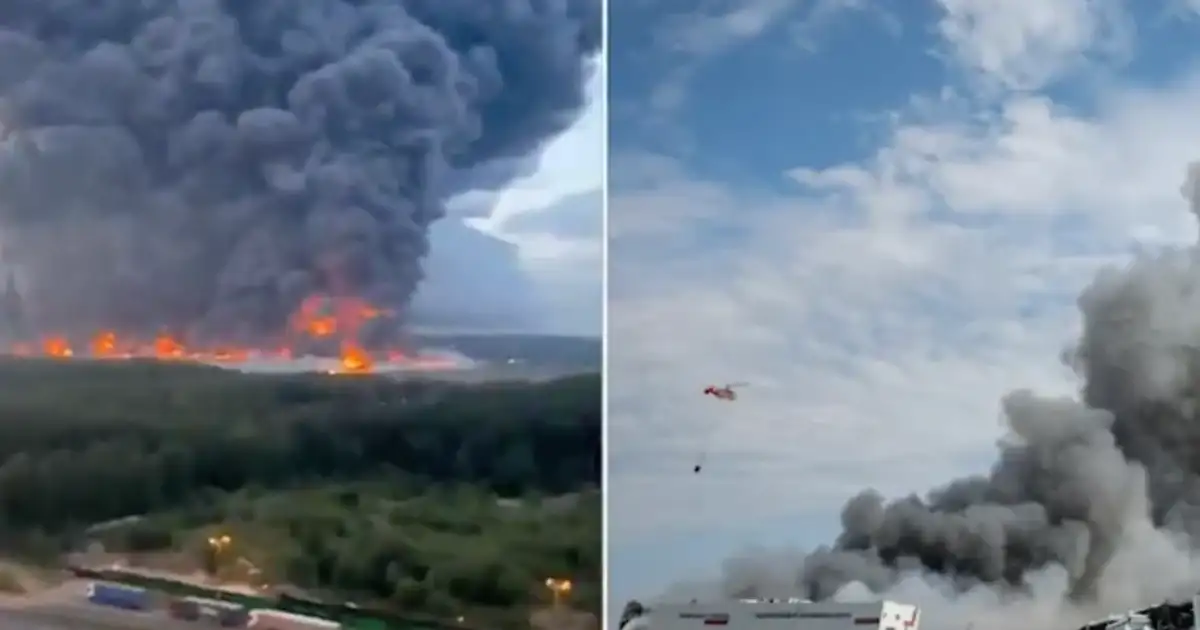
In just 72 hours, Ukraine launched “Operation Pandora,” targeting railway hubs, fuel depots, and ammo warehouses—key supply lines for Moscow’s forces. These domestically produced UAVs, aided by Western intelligence, bypass Russia’s outdated defenses.

Satellite images show significant damage in the Amur and Primorsky regions—areas once deemed secure Russian rear bases. This demonstrates that even heavily fortified logistics are vulnerable to small, coordinated drone swarms.
The drones operate in swarms, capable of overwhelming missile defenses. Ukraine claims these strikes have disrupted Russian logistics for weeks, marking a new phase of asymmetric warfare where small UAVs punch above their weight.
Kyiv’s ability to strike deep into Russian territory shifts the battlefield. No longer confined to front lines, Ukraine targets Moscow’s lifelines, forcing Putin to face a harsh reality: his logistical empire is under attack.
The Russian Public: From Patriotism to Panic
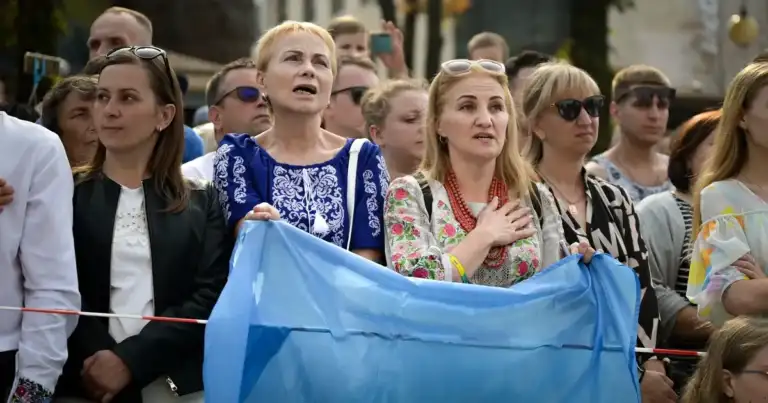
Officially, Putin’s government calls the conflict a “special military operation,” but public sentiment is shifting. Social media and independent polls reveal growing anxiety and skepticism among Russians.
Over 60% of Russians doubt the official narrative, especially in regions like the Far East and near the targeted supply routes. The myth of invincibility is cracking, replaced by fear and uncertainty.
Morale among Russian troops is falling. Reports from the front describe confusion and anxiety as soldiers witness the fragility of supply chains. Ukraine’s advanced drone tactics expose Russia’s inability to counter small, agile UAVs effectively.
This isn’t just a military struggle; it’s a battle for perception. Kyiv’s drone campaign reveals Moscow’s weaknesses, undermining the narrative of strength the Kremlin has sold to its people. The cracks are widening, and the illusion of invincibility is unraveling.
Putin’s Bluff: Vowing ‘Crushing Retaliation’ While Vulnerable
Putin promises “crushing retaliation,” but Moscow’s outdated missile defenses are failing against drone swarms. The military is scrambling to adapt, but the current approach is failing to keep up.
Kremlin officials dismiss the strikes as “terrorist acts,” yet the reality is more alarming: Ukraine’s tactics have opened a gap, allowing Western-backed drone attacks to hit Moscow’s logistical hubs with impunity.
Inside Kremlin circles, debate intensifies. Hardliners push for escalation, while moderates warn against wider conflict. The drone campaign exposes the myth of Russian military superiority—if small UAVs can strike Moscow, what’s left of Russia’s claim to invincibility?
Putin’s threats of retaliation sound hollow when his defenses crumble under drone swarms. This isn’t just logistics; it’s a blow to morale, political stability, and regime legitimacy. As the narrative shifts, Putin’s grip weakens, and stakes soar.
International Ripple Effects: A New Era of Proxy Warfare
Kyiv’s drone campaign alarms NATO nations, especially Poland and the Baltic states. The advanced UAV technology could be adapted for use against allies, risking a broader conflict.
Western intelligence is covertly supporting Kyiv’s drone efforts, signaling a deeper proxy struggle where technological edge becomes the new battleground.
Iran and China are reportedly considering expanding drone exports to Russia, complicating global tensions. The Biden administration’s backing for Ukraine’s self-defense has never been more critical—and more perilous—as escalation risks grow.
Every drone strike deepens the divide, transforming this war into a contest of technological dominance. Small UAVs are becoming the ultimate game-changers, rewriting the rules of modern conflict.
History Repeats: Drones as the Great Equalizer
Small, inexpensive drones have historically shifted warfare—Israel’s UAVs in Gaza, U.S. campaigns in the Middle East. Ukraine’s “Operation Pandora” confirms this trend: even the most fortified logistics are vulnerable to cheap, nimble UAVs.
If Ukraine sustains these disruptions, Putin’s narrative of invincibility will fracture faster than expected. The question is how long Moscow can sustain its fragile façade before internal dissent and chaos threaten its grip on power.
The Big Question: Will Russia Escalate or Crumble?
Putin’s threats of retaliation may trigger a frantic rush to develop defenses. But history warns that when logistics are compromised, escalation often follows. Moscow’s military has yet to counter drone swarms effectively—what happens when Kyiv perfects this technology?
Will Russia escalate with full-scale missile strikes, risking regional war? Or will internal dissent, driven by economic strain and drone attacks, push Moscow toward retreat? The stakes are enormous.
This isn’t just Ukraine’s fight; it’s a turning point for modern warfare. Small drones are becoming tools of destabilization and strategic leverage.
If escalation occurs, the world must prepare for chaos. The “Russian Amazon”—once a symbol of strength—is becoming a logistical nightmare, with Putin’s regime teetering on the edge.
The Final Blow: The War’s New Reality
This drone offensive isn’t just tactical; it’s a strategic warning. Ukraine’s ability to strike deep into Russia reveals the fragility of Putin’s claims of invincibility and threatens his regime’s legitimacy.
Kyiv’s actions have opened a Pandora’s box—ushering in an era where small UAVs influence global power dynamics. Russia’s military and political stability hang in the balance, vulnerable to internal upheaval.
This isn’t fleeting; it’s the dawn of a new era where technological innovation will shape outcomes. For Putin, the choice is clear: escalate further or face defeat. The clock is ticking.
Ukraine’s drone campaign is rewriting warfare rules. The real question isn’t if Russia will retaliate, but how long Putin’s fragile hold can last before the truth erupts.
Source: Google News