
The End of an Era: Dolly Parton’s Passing Shakes the Cultural Foundation
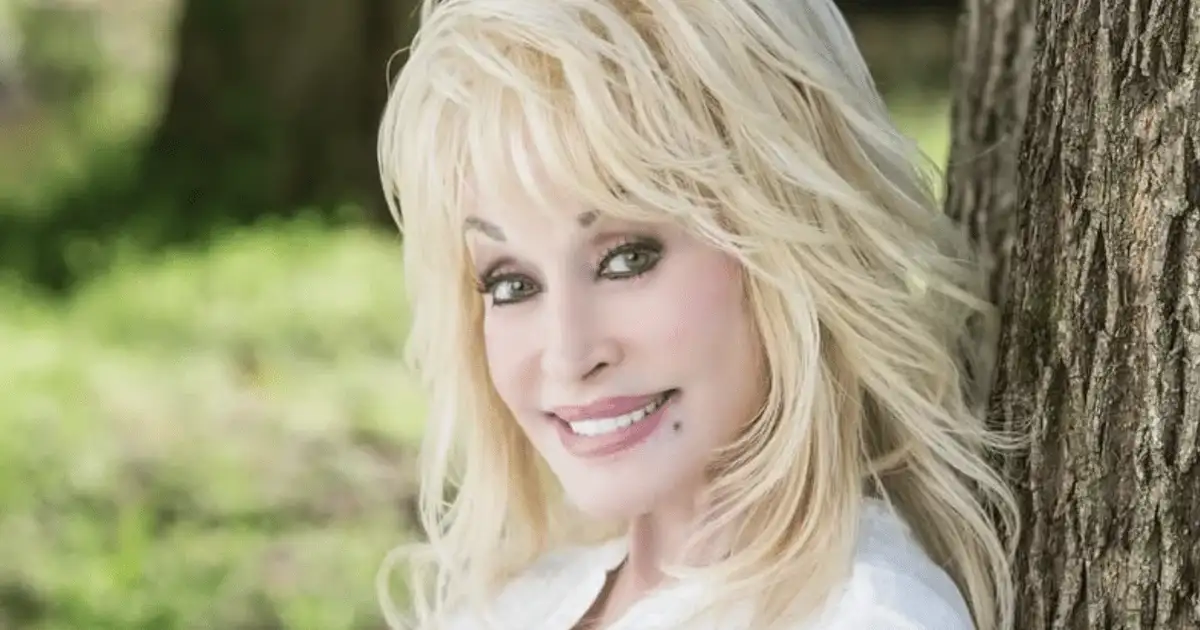
When Dolly Parton leaves this world at 80, she doesn’t just take her iconic voice and dazzling style with her—she leaves behind a seismic void in the cultural landscape that’s impossible to fill. Her death isn’t merely a closing chapter; it’s a clarion call that echoes through every corner of American life, reminding us of what true authenticity and resilience look like.
The Final Curtain Falls on a Legend
Confirmed by Reuters and BBC, Dolly Parton died early this week at her Nashville home after a brief illness. Her family’s statement cited natural causes, a gentle farewell to a woman who spent her life defying expectations and rewriting the rules. Since her debut in 1967, Dolly’s career has spanned more than six decades, during which she sold over 100 million records worldwide, won 10 Grammys from 50 nominations, and was inducted into the Country Music Hall of Fame in 1999—a résumé that reads more like a legend’s scrapbook than a country star’s CV.

Her hits—“9 to 5,” “Jolene,” “I Will Always Love You”—are not just songs; they’re cultural landmarks etched into the American psyche. Her role in “Steel Magnolias” cemented her as a multi-hyphenate star, but what truly set Dolly apart wasn’t just her prodigious talent. It was her authenticity, her resilience, her unyielding kindness—traits that made her a beacon in a sometimes cynical industry.
The Cultural Avalanche
Parton’s influence extends far beyond her music. She became a symbol of grit and grace—an emblem of what it means to be a trailblazing woman in a male-dominated industry. Her glittering gowns, towering wigs, and infectious smile became her signature, but her real power lay in her voice—both lyrical and social. She challenged stereotypes, broke barriers, and showed the world that vulnerability is a strength.
Her philanthropy is as legendary as her music. Her literacy programs have transformed countless lives, and her estate vows to keep funding these efforts long after her passing. That’s the Dolly effect: a woman who built an empire on talent, yes, but also on heart and unshakeable conviction.
And let’s not forget her Hollywood impact. “Steel Magnolias” remains a cultural touchstone, and her cameo in “9 to 5” proved her versatility. Dolly’s influence isn’t confined to the country charts; she helped shape a generation’s idea of what it means to be a strong, authentic woman—one who refuses to compromise her integrity for fame.
The Industry Mourns
Garth Brooks, Kacey Musgraves, and countless others have already paid tribute, with Brooks calling her “the heart and soul of country music”—a statement that’s as truthful as it is profound. Dolly wasn’t just a star; she was the star—an archetype for future generations to aspire to. Social media erupts with stories—fans sharing childhood memories, artists recalling her encouragement, memes celebrating her larger-than-life persona. Her death isn’t just a loss; it’s a cultural watershed moment, a reminder that her legacy is woven into the very fabric of American identity.
In the coming weeks, expect a flood of tributes—special concerts, documentaries, and a surge in her timeless songs. But the question remains: will this moment of mourning ignite a new wave of her influence in country music and beyond, or will her legacy become a nostalgic relic lost to the sands of time?
The Future of Dolly’s Legacy
Here’s where the plot thickens. Several rising country stars openly cite her as their primary influence. Her death could catalyze a renaissance—artists channel her grit, her grace, her unapologetic authenticity. Will we witness a revival of her style, or will her legacy fade into a sentimental memory? The answer lies in whether the industry and fans choose to keep her flame alive.
Her philanthropic efforts, especially her literacy programs, are poised to expand—her estate has pledged continued support. But what about her cultural standing? Will her death inspire more women to break barriers, just as she did? Or will her absence create a void too vast for others to fill? Industry insiders speculate that her passing will accelerate posthumous projects—tributes, documentaries, maybe even a previously unreleased album. Yet, the real challenge remains: can anyone truly fill her shoes, or is this the closing of a chapter that no one else can write?
Why It Matters
Her death marks the end of an era, but more importantly, it underscores the enduring power of authenticity in entertainment. Dolly was never about manufactured personas or fleeting hits; she was raw, real, and relatable. Her success shattered gender barriers, proving that resilience and honesty could break through the toughest ceilings. Her departure leaves a stark void—one that challenges today’s artists and industry leaders to uphold her legacy of integrity and heart.
Her influence on gender equality in country music is profound. Dolly’s career demonstrated that authenticity and perseverance could carve out new paths for women in a notoriously tough industry. Her death is a stark reminder that when the trailblazer leaves, the trail itself becomes more treacherous to follow.
Her passing leaves a void, yes, but also a challenge: can the next generation rise to her standard of authenticity and philanthropy? Or will her absence diminish the very fabric of country music’s soul?
The Final Word: An Unstoppable Force
Some might argue her death signifies a profound cultural loss; I say it’s a wake-up call. Dolly Parton’s legacy isn’t confined to her hits or her Hollywood cameos—it’s embedded in her spirit: a testament that true iconography is rooted in authenticity, grit, and kindness. Her influence will ripple through decades, inspiring new generations to stand tall and stay real. But the pressing question remains: who will carry her torch now that she’s gone? And more critically—will they have her heart?
This isn’t merely a moment of mourning; it’s a challenge to uphold her ideals. The American Dream embodied by Dolly isn’t just a nostalgic myth—it’s a living, breathing pursuit that demands active pursuit, celebration, and passing forward. Because if anyone proved it’s possible, it was Dolly Parton.
Source: Google News