
Oman’s Hidden Hand in the Strait of Hormuz Incident Reveals a Strategic Power Play
The recent attack on a vital oil tanker in the Strait of Hormuz exposes the myth of regional neutrality. Oman’s subtle involvement hints at a calculated move that could ignite a broader Gulf crisis, with consequences far beyond the Middle East.
The Attack and Its Immediate Implications
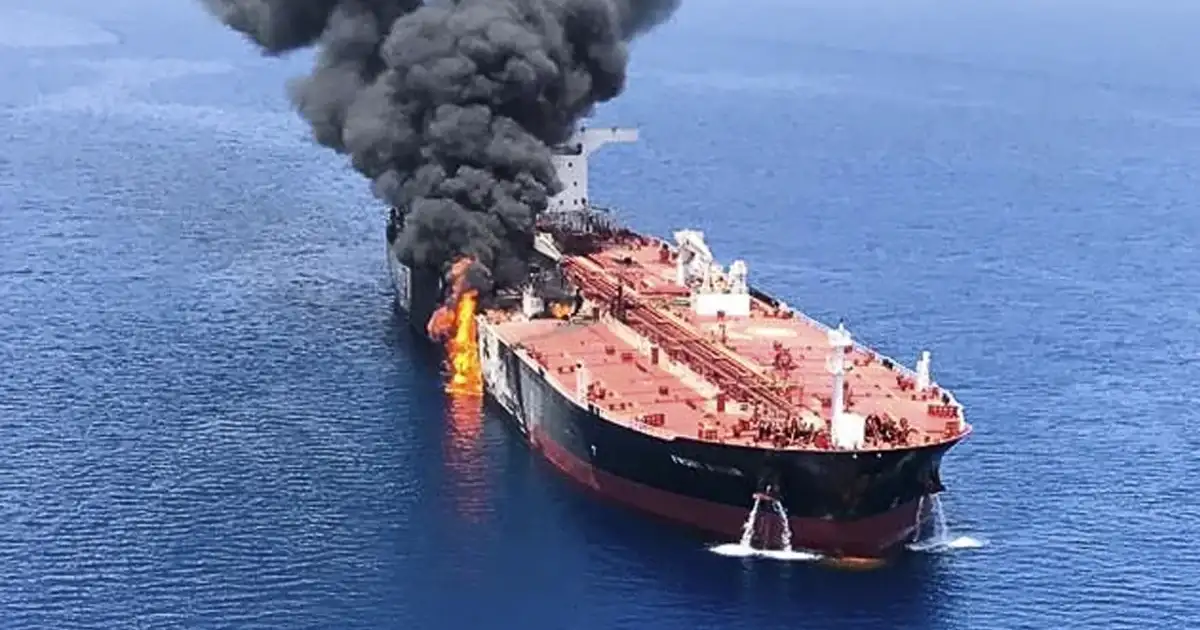
A large oil tanker was struck near the Strait of Hormuz this week. Reuters and BBC confirm the vessel was damaged by what appears to be an external attack—possibly limpet mines or a missile. The ship, flying a European flag, was en route from the Gulf to Asia when the explosion tore into its hull, revealing the vulnerability of this strategic corridor.

Oman responded quickly, denying involvement and calling for calm. Behind the scenes, intelligence sources suggest the situation is more complex. Tensions spike as U.S. and Iranian officials exchange accusations, each blaming the other for the attack.
Oman’s Strategic Position: The Silent Powerbroker
Oman’s geographic and political stance makes it a key player. Located at the southern entrance to the Strait, Oman controls the only land access to this vital waterway. Despite its small size, Oman wields disproportionate influence in regional diplomacy. Historically, it has acted as a mediator—balancing Iran, the U.S., and Gulf Cooperation Council states. Now, this balancing act is strained.
- Proximity: Oman’s border with the Strait makes it an unavoidable stakeholder.
- Diplomatic legacy: Oman has a reputation for mediating conflicts, especially between Iran and Western powers.
- Intelligence capabilities: Reports suggest Oman may have known about threats but chose silence—possibly to prevent escalation or maintain neutrality.
Sources whisper that Oman might have had prior awareness of the attack or threats, yet chose to stay silent. Officially, Oman emphasizes regional stability, but many analysts see this stance as increasingly fragile—an illusion that could shatter at any moment.
Why Is Oman Playing Both Sides?
Oman’s core interest is safeguarding shipping lanes and economic stability. Disruption of the Strait could devastate Oman’s exports and economy. Yet, Oman has always prioritized neutrality to avoid conflict.
Some experts see Oman’s silence as strategic—perhaps covert diplomacy. Oman may have intelligence on the attack and subtly warned Iran or Western allies to prevent escalation. Alternatively, Oman might be hedging, waiting for the storm to pass before revealing its true intentions. Its role isn’t passive; it’s a master strategist benefiting from chaos while avoiding blame.
The Broader Context: A Region on the Brink
This incident signals a deeper conflict. Iran has used maritime tactics—mine-laying, proxy attacks, small boat assaults—to pressure Western and Gulf nations. Despite denying involvement, Iran’s actions warn of a region on the verge of open conflict.
The U.S. has increased naval patrols, hinting at Iran’s culpability but avoiding definitive blame. Regional powers like Saudi Arabia and the UAE call for cooperation. Oman’s ambiguous stance complicates the picture—caught between peace and geopolitics.
How much longer can this maritime roulette continue? The Strait is a tinderbox—what if a full blockade occurs? Oil prices would surge, economies worldwide would tremble, and global energy supplies could face disaster.
Lessons From the Past: The Stakes Are Higher Than Ever
In 2019, maritime incidents nearly sparked a Gulf-wide war. Back then, blame was murky, with Iran taking the hit. Today, with heightened tensions, the risk of miscalculation is greater.
Oman’s covert role in past crises is well known. Its intelligence agencies often act as mediators or spoilers—sometimes both. The key question now isn’t just Oman’s involvement but how much it’s fueling or containing escalation.
Oman remains the wildcard. Its silence could determine whether the Gulf erupts into conflict or slips back into fragile diplomacy.
What Lies Ahead?
Expect increased military patrols, covert negotiations, and possibly sabotage. Oman’s role will be scrutinized more than ever. Will it finally align openly or continue its balancing act? History suggests the latter, but any misstep could trigger catastrophe.
The stability of the global economy depends on the Strait remaining open. The region’s fragile peace hangs by a thread. Oman’s covert actions or silence could be the decisive factor—either preventing disaster or igniting war.
Oman’s quiet diplomacy isn’t accidental. It’s a calculated move in a complex geopolitical game. The pressing question: how long can this charade last before the entire region—and the world—pay the price?
Source: Google News