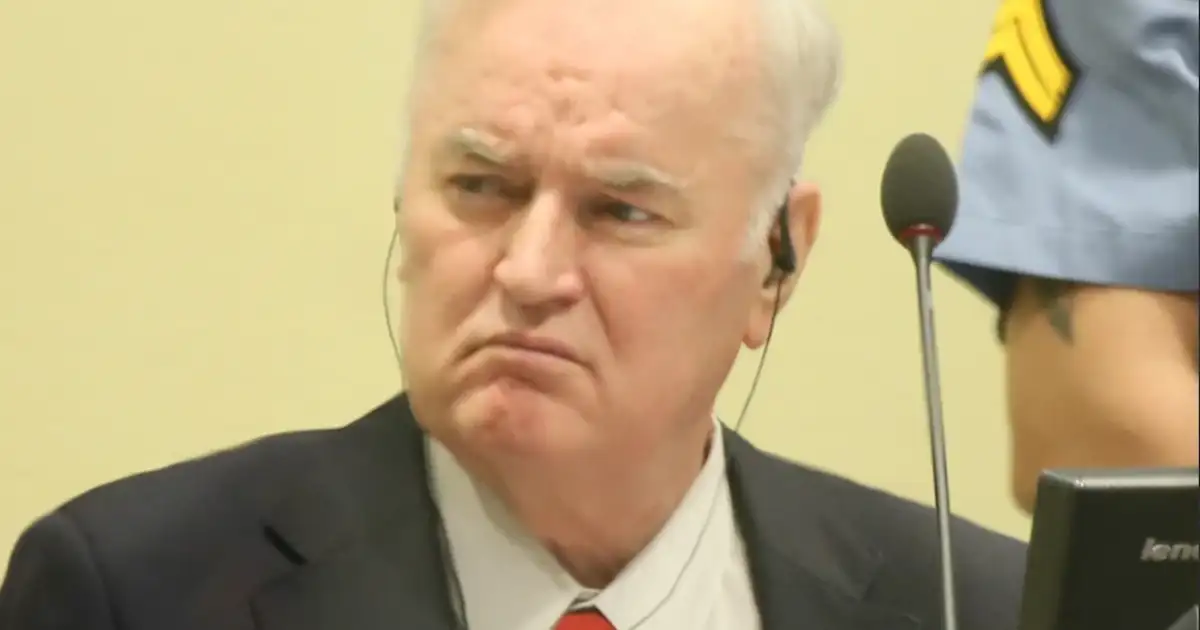

Ratko Mladic, the “Butcher of Bosnia,” Dies at 84 in The Hague: Justice or Closure?
Few figures in recent history embody the brutal depths of ethnic conflict quite like Ratko Mladic. His death at age 84, while serving a life sentence in The Hague, marks the end of a chapter stained with unimaginable atrocities—yet it also raises profound questions about justice, reconciliation, and the long shadow cast by his crimes.
The Man, the Crimes, and the Legacy
Born in 1942 in Bosnia, Ratko Mladic rose through the ranks of the Yugoslav military to become the military commander of the Bosnian Serb forces as Yugoslavia disintegrated into chaos. His name is etched into history as a symbol of terror—leading the siege of Sarajevo, where thousands of civilians perished under relentless shelling, and orchestrating the Srebrenica massacre in July 1995, in which over 8,000 Bosniak men and boys were systematically murdered. These numbers are not mere statistics—they are the bloodstained testament to the brutality he wielded.

His indictment by the International Criminal Tribunal for the former Yugoslavia (ICTY) in 1995 signaled a global commitment to accountability. Yet, it took 16 years for him to be captured—living in hiding in Serbia after evading justice for over a decade. His trial, which began in 2012, culminated in a 2017 conviction for genocide, war crimes, and crimes against humanity. The tribunal described him as “a symbol of the worst crimes committed during the Bosnian conflict,” a chilling acknowledgment of his central role in one of Europe’s darkest periods.
Sentenced to life in prison, Mladic’s death does not erase the suffering he inflicted. Instead, it underscores the brutal reality that justice is often a long, painful process—one that sometimes ends with the perpetrators dying still clinging to their distorted notions of patriotism and honor. For victims and survivors, his passing is a stark reminder that the quest for justice can be both relentless and tragic.
Death in The Hague: The End of an Epoch
Official reports confirm that Mladic died of natural causes—heart issues and age-related health problems—within the confines of his prison cell. Sources close to the tribunal indicate he had been battling health complications typical for an octogenarian in captivity. The ICTY issued a brief statement, offering condolences but refraining from further comment, leaving many questions unanswered about the final chapter of his life.
Reactions to his death are as complex as the man himself. Victims’ families express a mixture of relief and sorrow—relief that he’s no longer alive to threaten justice, yet grief that decades of delayed accountability allowed him to die peacefully. Meanwhile, some Serbian nationalists mourn his passing as the loss of a “patriotic hero,” revealing that Balkan divisions remain deeply entrenched. How much healing can truly occur when the wounds of ethnic hatred are still so raw and unhealed?
Global and Regional Reactions: Justice or Mere Symbolism?
The international community’s response was unequivocal. UN and EU officials emphasized that justice extends beyond punishment—it’s about acknowledging the suffering of victims and striving for reconciliation. Josep Borrell, the EU’s Foreign Policy Chief, stated, “His death closes a painful chapter, but the pursuit of justice for his victims endures.”
In Serbia, reactions were more divided. While some political leaders condemned Mladic’s actions, nationalist factions hailed him as a defender of Serb interests. The government called for respect for the rule of law and dialogue, yet deep ethnic divisions persist. Can words alone heal wounds that have festered for decades? Or does the enduring legacy of figures like Mladic threaten to perpetuate cycles of resentment and violence?
Human rights advocates remind us that the death of one man does not erase the atrocities. “Justice is a process, not a person,” said an official from the International Criminal Court. His passing leaves unanswered questions: Who are the other architects of Balkan bloodshed? Will the region ever fully confront its past, or are these deaths merely the final nails in a coffin of unresolved history?
Historical Context: The End of a Dark Era, but Not Its Legacy
Mladic’s death signifies the closing of a brutal chapter in Balkan history, yet it does not mark the region’s healing. His trial was a landmark moment for international law—proof that even the most powerful war criminals can be held accountable. But the scars of the 1990s—ethnic cleansing, siege warfare, genocide—remain painfully fresh in collective memory.
His passing complicates reconciliation efforts. Some interpret it as a symbolic closing of the door on Balkan violence, while others fear it might embolden nationalist factions who see his death as martyrdom or a badge of victimhood. The challenge for regional leaders is to foster genuine dialogue and truth-telling, but deep ethnic divisions and mistrust continue to hinder progress. The pressing question is: will future generations learn from this dark history, or will they be doomed to repeat it?
The Road Ahead: Justice, Reconciliation, and the Future
The death of Mladic reinforces a fundamental truth: justice is not a finish line but a continuous journey. His passing does not undo the crimes nor erase the suffering—but it must serve as a stark reminder that hatred and violence must be confronted head-on, not buried or ignored.
Regional governments must intensify efforts toward reconciliation, truth, and accountability. Without such commitment, the ghosts of the past will continue to haunt Balkan politics, threatening to reignite old flames of conflict. The critical question remains: can Bosnia and its neighbors learn to live with their history, or are they destined to stumble back into the cycles of violence that have defined their past?
Conclusion: Justice Delayed, but Not Denied
Ratko Mladic’s death closes a brutal chapter but leaves behind a haunting question: how does a society heal when its wounds have festered for decades? His legacy is a scar on the conscience of humanity—proof that some crimes leave an indelible stain that no prison can wash away.
This moment should serve as a rallying cry for genuine justice—one rooted in truth, acknowledgment, and a collective commitment to never let hatred again take root. Will the Balkans finally confront its darkest history and forge a path toward lasting peace? Or will they remain haunted by men like Mladic, trapped in an endless cycle of vengeance and denial?
Photo: Wikimedia Commons (query: Ratko Mladic)
Source: Google News