
The End of an Era: Yayoi Kusama’s Death Marks the Closure of the Most Psychedelic Chapter in Art History
Yayoi Kusama has finally stepped into the infinity she so obsessively depicted—her death at 97 in Tokyo isn’t just a farewell; it’s the end of an epoch defined by fearless innovation and profound psychological exploration.
Her Legacy in Context
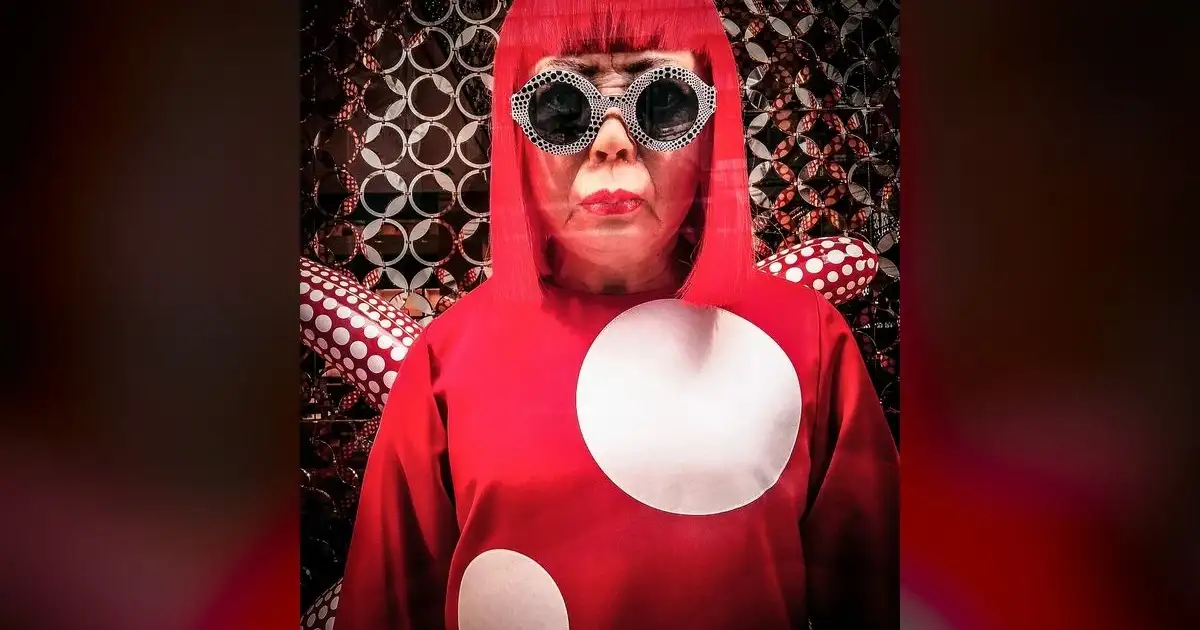
Yayoi Kusama passed away on August 25, 2026, in Tokyo—confirmed by leading Japanese news outlets and international art authorities. Her departure was quiet, natural, fitting for a woman whose life’s work was rooted in the infinite and the introspective. Over more than seventy years, she relentlessly pushed boundaries, emerging from the late 1940s to become a global icon by the 1960s with her psychedelic, polka-dot-draped installations and paintings that seemed to pulse with the very essence of her mind.

Just last month, her latest retrospective, “Infinity and Beyond,” opened at the Museum of Contemporary Art Tokyo, drawing record-breaking crowds and reminding us that Kusama’s influence transcends mere aesthetics—her work is a cultural phenomenon. Her infinity mirror rooms, “Living Place” and “The Souls of Millions of Light Years Away,” continue to be among the most visited exhibitions worldwide, often selling out within hours. With her passing, a luminous chapter in art history closes, one that challenged, transformed, and redefined what art could be.
The Cultural Impact and Enduring Influence
Kusama’s influence is seismic—her multisensory installations plunge viewers into her universe, a swirling vortex of dots, nets, and light that seem to dissolve the boundaries between self and cosmos. Her signature motifs—those endless fields of polka dots, nets, and mirror worlds—became symbols of her obsession with mental health, self-obliteration, and the universe’s unbounded nature. Her personal struggles with depression and hallucinations weren’t just raw material—they fueled her authenticity, making her work resonate on a visceral level that critics and fans alike continue to revere.
Her collaborations with brands like Louis Vuitton and Marc Jacobs catapulted her into pop culture’s stratosphere. Kusama appeared in music videos with Lady Gaga and Billie Eilish, embedding her aesthetic into the fabric of contemporary culture. Her art is no longer confined to galleries; it’s woven into fashion, music, activism, and the collective consciousness. She transformed her personal pain into a universal language, turning mental health into a canvas for liberation and beauty.
Reactions, Tributes, and the Future of Her Legacy
The art world is mourning. Institutions like Tate Modern, MoMA, and the Guggenheim flooded social media with heartfelt tributes, celebrating her as a visionary who redefined perception itself. Critics lauded her fearless confrontation of mental health and identity, positioning her as a pioneer who shattered barriers and opened portals to new worlds of understanding.
“Yayoi Kusama was a pioneer whose work broke barriers and opened new worlds of perception. Her spirit will live on through her art and those she inspired.”
Fashion designer Marc Jacobs tweeted, “Yayoi Kusama’s polka dots and infinite visions changed everything. Rest in peace, a true legend.” Her death prompts us to reflect: Who will carry her torch? Who dares to see the universe through her infinite lens next?
Her Enduring Legacy: What Comes Next?
Her estate has announced plans to tour her retrospective exhibitions globally, ensuring her influence continues to ripple through generations. Major auction houses like Sotheby’s will host sales of her work—expected to set new records—raising funds for her foundation, which champions mental health and arts education. Her personal Tokyo studio will be preserved as a cultural site, a pilgrimage destination for fans and artists eager to connect with her spirit.
Industry insiders anticipate the unveiling of unseen works—sketches, early paintings—that will deepen her mythos and offer new insights into her creative evolution. This isn’t merely about preserving her art; it’s about safeguarding her message—one of liberation, vulnerability, and boundless possibility.
What Her Passing Reveals About Art and Society
Her death is more than a farewell; it’s a stark reminder of how art can serve as a vessel for mental health, a mirror for the cosmos, and a rebellion against conformity. Kusama’s work—raw, honest, often unsettling—resonates because she dared to be vulnerable, to explore her inner universe with fearless sincerity. In an age obsessed with surface and spectacle, she peeled back the layers to reveal the infinite within us all.
Her passing forces us to ask: Who will continue her legacy of fearless introspection? Who will see the world through her infinite lens? Her art was never just about aesthetics; it was a radical act of self-exploration and societal critique.
The Market and the Myth: A Double-Edged Sword
Let’s face it: the art market’s obsession with Kusama’s work was as relentless as her signature dots. Her paintings routinely fetched over $10 million at auction—an indicator that her death will only intensify the frenzy. Her estate is poised to push for record-breaking sales, while exhibitions will multiply, feeding the hype machine. But this commercial surge raises a vital question: Does this commodify her message, turning her spiritual explorations into mere assets?
Her work’s soaring value transforms her profound themes of infinity and mental health into lucrative commodities. That’s the tragic irony—her art was about liberation, not profit. Yet, her death fuels the hype, making her legacy a goldmine for collectors and institutions alike. Can we truly separate her message from the marketplace?
Is the World Ready for a Post-Kusama Future?
Honestly, probably not. Her death leaves a void that no current artist can fill. Her unique fusion of personal pain and universal wonder crafted a blueprint for contemporary art—one that challenged us to look inward and outward simultaneously. Her influence will undoubtedly grow, her work studied, collected, and revered for decades to come.
But here’s the unsettling question: Will future generations grasp her true significance, or will her work become just another asset in the relentless march of the art market? Her death reminds us that even the most infinite visions have an end, but her art—her true legacy—is eternal.
Yayoi Kusama painted her polka dots across the universe—now her spirit is unbound. Yet, her influence endures. The real question is: Who will dare to see the world through her infinite lens next?
Photo: Garry Knight
Source: Google News