
Climate Change Turns Himalayan Glaciers Into Deadly Tsunami Traps
A glacier collapse in Nepal has unleashed waves resembling tsunamis, killing at least 162 people and leaving hundreds missing. This disaster exposes how climate change is transforming the Himalayas into a deadly hazard for local communities and travelers alike.
The Disaster Unfolds in Real Time
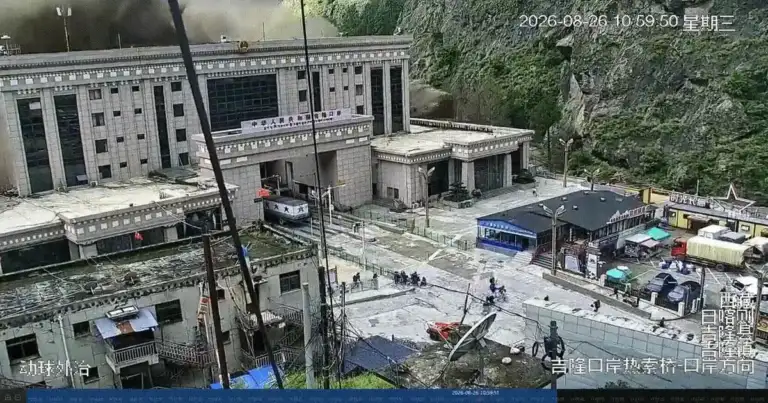
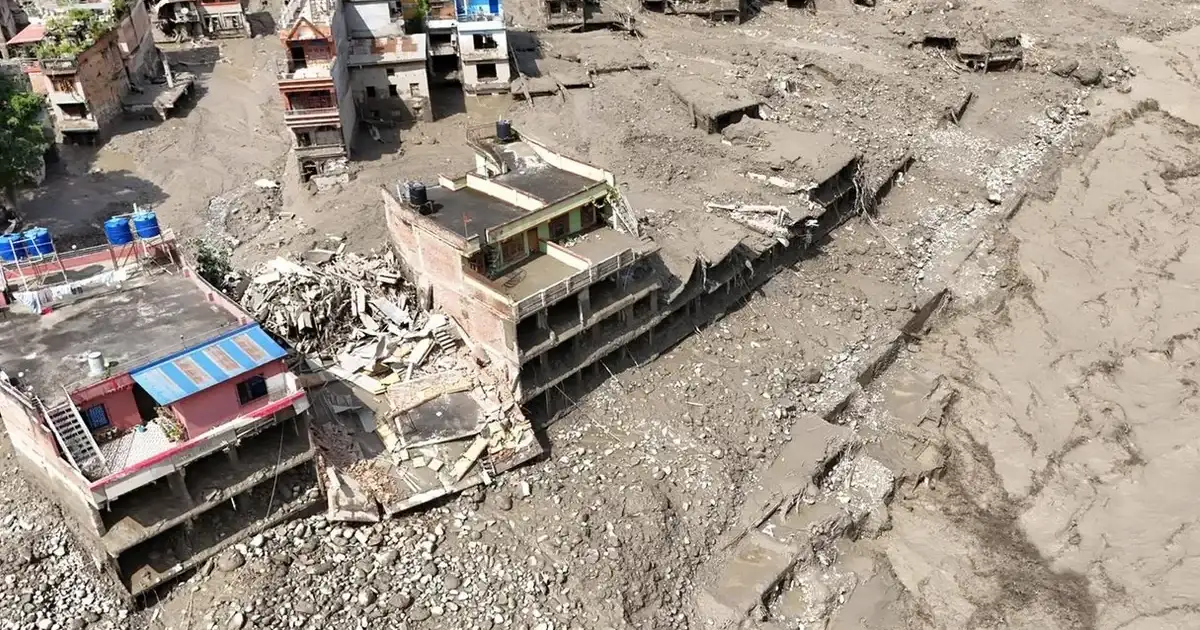
Less than 48 hours ago, a chunk of the Langmoche Glacier fractured and plunged into a high-altitude lake. Satellite images show massive ice breaking free, generating waves up to 10 meters high that crashed into villages and trekking routes. Eyewitnesses describe scenes of chaos, with waves flooding Everest Base Camp and surrounding areas.

Rescue efforts are hampered by rugged terrain, blocked roads, and debris. Despite deploying hundreds of personnel from Nepal and China, many victims remain unaccounted for. The bodies of 162 victims have been recovered; over 300 are still missing, feared trapped beneath floodwaters or rubble.
This tragedy highlights a disturbing trend: the Himalayas’ glaciers are retreating rapidly, destabilizing mountain ranges and creating melting lakes prone to outburst floods. Climate models warn that rising temperatures will only increase the frequency and severity of such events.
Why Are These Glacial Disasters Becoming Routine?
The Himalayas, known as the Earth’s “Third Pole,” have lost up to 30% of their ice in recent decades. Melting glaciers destabilize entire regions, feeding into dangerous lakes that threaten to burst. Past incidents in Bhutan and Uttarakhand foreshadow a future where such floods become commonplace.
This isn’t just about ice; it’s about water security. The Himalayas feed the Ganges, Brahmaputra, and Indus rivers—lifelines for hundreds of millions. Disruptions could ignite conflicts over dwindling water supplies, turning environmental crises into geopolitical flashpoints.
Border Tensions and Environmental Cooperation: A Ticking Time Bomb
Nepal and China have agreements on border security and glacier monitoring, but this disaster exposes their fragility. Climate resilience efforts are underfunded and fragmented. While China dispatches rescue teams, underlying disputes over resources and borders threaten cooperation.
With vital water sources and strategic territory at stake, the risk of conflict rises if aid stalls or blame shifts. Can these nations set aside differences to address the environmental catastrophe threatening regional stability?
The Global Climate Crisis Is a Himalayan Human Crisis
This event demonstrates how climate change manifests violently. Glacial collapses can kill dozens within hours, and the threat will only grow. Melting glaciers and swelling lakes put over a billion people at risk, yet international action remains insufficient.
Calls for funding early warning systems and climate adaptation go unheeded. Displaced communities multiply, their suffering a direct result of global inaction. The Himalayas are melting faster than predicted, and each event underscores the urgent need for change.
A Warning Sign or a Wake-Up Call?
This tragedy should serve as a wake-up call. Will policymakers act, or will they delay until the next disaster with even higher tolls? The world must recognize that climate change is no longer distant—it’s here, and it’s deadly.
Global cooperation is essential, but insufficient. Funding for glacier monitoring and resilience projects must increase. The Himalayan glaciers are collapsing, and with each loss, we risk losing more than ice—we risk our future.
Photo: Vyacheslav Argenberg
Source: Google News