
Glacier Collapse in Nepal Sparks Deadly Tsunami and Signals a Worsening Crisis
Nepal’s Himalayan glaciers are breaking apart with increasing violence, unleashing waves that threaten communities downstream. The recent event exposes a harsh truth: climate change is turning these icy giants into ticking time bombs.
The Langtang Glacier Disaster: A Wake-Up Call
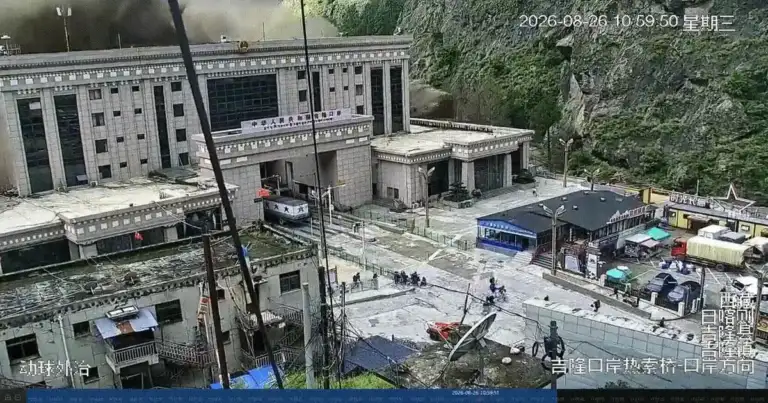
On August 26, a massive section of the Langtang Glacier detached and crashed into the valley below, creating a wave comparable to a tsunami. Satellite images show over a kilometer of ice dislodged and surged into populated areas, causing destruction and loss of life.

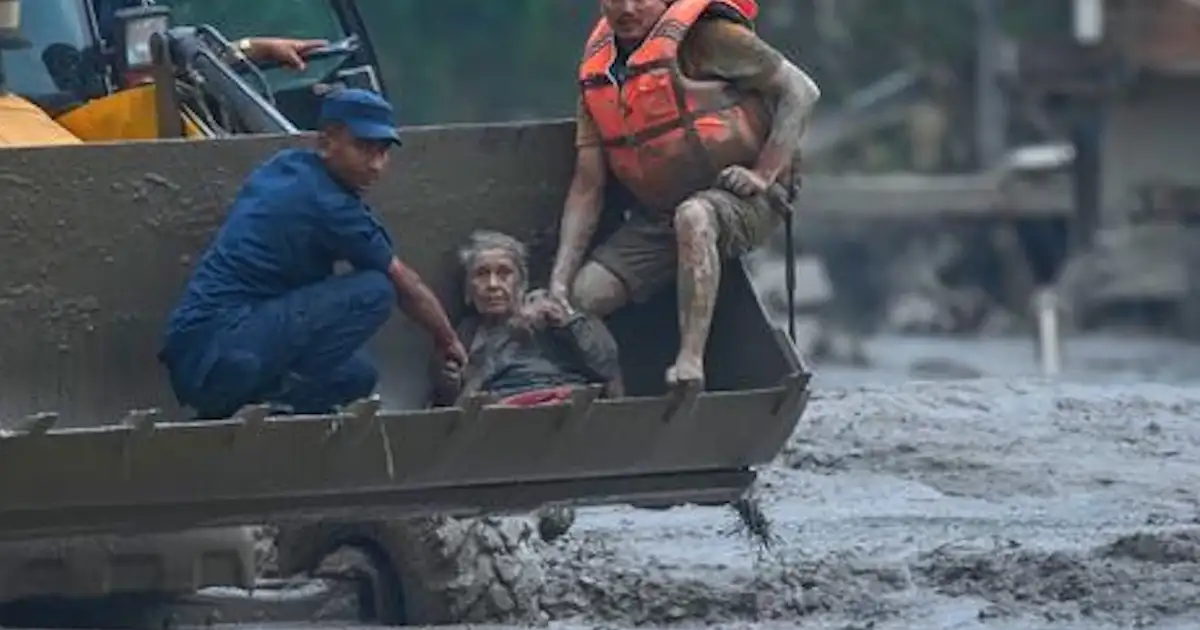
Currently, around 1,400 people are missing—locals, trekkers, and workers caught unprepared. Rescue efforts are hampered by difficult terrain and ongoing aftershocks. This event highlights a disturbing trend: Himalayan glaciers are becoming unstable, driven by rising temperatures.
Glacier retreat has accelerated, with some losing more than 0.5 meters annually. The likelihood of future collapses is no longer speculative but inevitable. The question is not if more chunks will break off, but when.
Climate Change: Turning the Himalayas into a Landmine Field
The Himalayas, known as the “Third Pole,” hold over 1 million square kilometers of ice—vital water sources for millions. Yet, rapid melting makes catastrophic collapses unavoidable. The Langtang event is a warning, not an anomaly.
Past glacier lake outburst floods, like the 2014 Langtang disaster, proved the destructive potential of ice failures. Now, frequent calving and instability increase the risk of larger tsunamis threatening downstream populations.
If a single glacier chunk can wipe out entire villages, what happens when multiple glaciers destabilize? The region is effectively a ticking time bomb, with climate change accelerating the countdown.
Geopolitical Dynamics and the Silence of the International Community
Nepal’s location between China and India complicates its vulnerability. Both countries have stakes in the Himalayas—water, military, infrastructure—and are feeling glacier destabilization’s effects. Yet, international cooperation remains limited.
The Nepalese government has declared a state of emergency and calls for aid and climate action. While China and India have provided some assistance, their efforts fall short of addressing the crisis’s scale. Without global coordination, aid is just temporary patchwork.
Warning Signs: The Next Wave Could Be Deadlier
Experts warn that the recent calving is just the start. Satellite data show increased glacier movement nearby, indicating higher collapse risks. Seismologists confirm the glaciers are fragile, with each event possibly triggering a chain reaction.
Multiple failures could generate waves that flood entire regions with little warning. Building effective early warning systems is crucial, but climate destabilization hampers these efforts. Monitoring alone won’t stop the melting—urgent climate action is needed.
The UN urges investment in monitoring, but without reducing emissions, these efforts may be futile. The glaciers are melting faster because global inaction on fossil fuels continues, deepening the disaster.
Who Is Responsible for This Crisis?
The climate crisis is man-made. Fossil fuel industries, governments slow to act, and a profit-driven economy have ignored warnings that are now deadly. Glaciers retreat because we refuse to change course.
Nepal’s limited infrastructure for glacier monitoring and disaster response leaves it exposed. The international community’s failure to act on climate change has turned the Himalayas into a death zone. Each passing day without meaningful measures costs more lives.
This isn’t a one-time event. It signals a pattern: glaciers will continue to destabilize, and more catastrophic waves are inevitable unless global action is taken now. The Himalayas are becoming a perpetual disaster zone, threatening millions downstream.
What’s Next? A Path Toward Prevention or More Catastrophe
Regional governments need better glacier monitoring and early warning systems. But the real fix is bold global climate action—cutting emissions, shifting to renewables, and investing in resilience. Will the world wake up before it’s too late?
Preparedness must include infrastructure upgrades, evacuation plans, and community education. Yet, these are only stopgaps if climate change continues unchecked. The glaciers are sending a clear message: unless addressed, deadly waves will grow more frequent and destructive.
The only way to prevent future disasters is to confront climate change directly. Otherwise, the Himalayas risk becoming an endless death zone, with waves capable of wiping out entire communities instantly.
The Crucial Question: Will Humanity Respond or Watch Our Future Sink?
The Nepal glacier collapse is a stark warning: mountains are becoming hazards. If the world ignores these signs, destruction will escalate—flooding cities, destroying livelihoods, and destabilizing regions.
Climate change is the true villain, transforming fragile glaciers into landmines. How many more lives must be lost before decisive action is taken? The Himalayas are bleeding ice, and the next tsunami could be imminent. The choice is ours: act now or watch our future drown in disaster.
Photo: BIBEK
Source: Google News