
Trump’s Deal with Venezuela Signals a Reckless Power Grab and a Middle Finger to Sanctions
President Donald Trump has secretly brokered an oil deal with Venezuela, breaking years of sanctions and risking global stability. This move isn’t just about energy; it’s a bold challenge to diplomatic norms and U.S. policy principles.
The Deal That Shakes Global Energy and Politics
Sources say Caracas will soon export hundreds of thousands of barrels daily to the U.S., a figure that could reshape energy markets. As prices soar and supply chains strain, this deal signals a shift—an aggressive move that redefines U.S.-Venezuela relations.

Major outlets like Reuters confirm the agreement. Caracas aims to leverage its vast oil reserves to bypass sanctions that have isolated Maduro’s regime. Meanwhile, the Biden administration insists on maintaining sanctions, citing human rights concerns. Trump’s actions directly challenge that stance.
Imagine Venezuela, long crippled by sanctions, becoming a key U.S. energy supplier. It’s a slap to global markets and a message to allies: profit trumps principle. Critics see this as a reckless gamble that undermines U.S. credibility and emboldens authoritarian regimes.
The Political Firestorm: Winners and Losers
Supporters tout this as a pragmatic, America-first victory—lower fuel costs, energy independence, and a boost to Trump’s 2026 campaign image. But critics argue it’s a betrayal, rewarding Maduro’s dictatorship and undermining efforts to promote democracy in Latin America.
The Geopolitical Chessboard: Why Now?
Trump’s timing isn’t accidental. With tensions rising in the Middle East and global oil prices volatile, Venezuela’s oil becomes a strategic asset. It’s a move designed to shift regional power and weaken rivals like China and Russia, who are expanding their influence in Latin America.
The Rationale Behind the Boldness
This deal showcases Trump’s reputation as a dealmaker willing to break norms for results. It emphasizes energy needs over diplomatic standards, promising immediate political wins—cheaper fuel and a narrative of strength.
The Cost to Morality and International Credibility
But at what cost? Bypassing sanctions damages U.S. credibility and signals that principles can be sacrificed for short-term gains. Democratic lawmakers warn this could set a dangerous precedent, weakening the global sanctions regime.
The Long-Term Threat: Setting a Dangerous Precedent
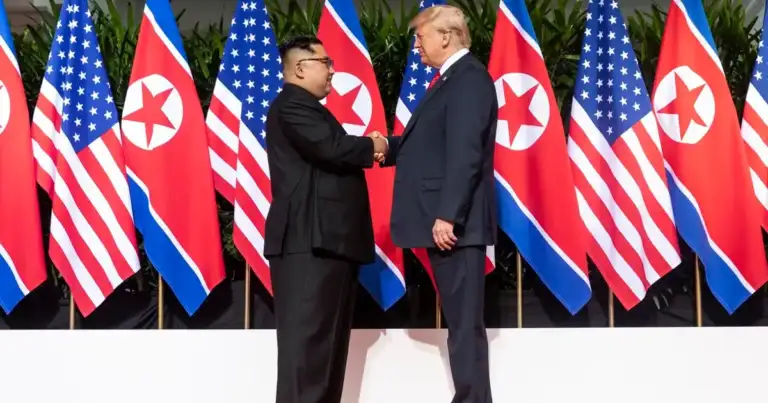
If Venezuela can negotiate directly with Trump, other regimes like Iran or North Korea might follow. It risks eroding diplomatic norms and emboldening authoritarian states to ignore sanctions and negotiate on their own terms.
The Power Play: More Than Just Oil
This isn’t just about barrels; it’s about leverage. Trump’s deal sends a message: the U.S. no longer needs to follow old rules. Venezuela’s oil reserves become a weapon, allowing threats or bribes to influence regional dynamics.
The Future of U.S. Energy and Diplomacy: A New Paradigm
This could set a precedent for future administrations—more secret negotiations, bypassed sanctions, and a shift from principles to strategic interests. Will energy needs outweigh human rights? That’s the question now.
Who Truly Wins—and Who Loses?
Trump gains a narrative as a results-focused dealmaker. Maduro’s regime gets a lifeline, while Russia and China cheer. But America’s moral standing and diplomatic credibility suffer, trading principles for cheap fuel.
Is This the New Normal?
History will judge whether this is a fleeting stunt or a permanent shift. If it becomes standard, U.S. policy risks becoming driven by profits and power, with moral standards sacrificed. Sacrificing human rights for a short-term fuel fix is a betrayal of American ideals. The world is watching, and the message is clear: principles are negotiable.
Source: Google News