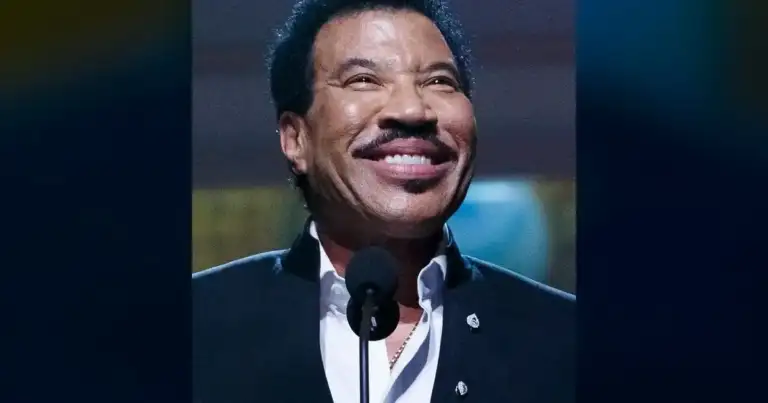


Duane “Keffe D” Davis Finally Gets His Day in Court—Decades Too Late
Justice catches up with Duane “Keffe D” Davis after 30 years, finally convicting him of killing Tupac Shakur. The case, long shrouded in mystery and conspiracy theories, highlights how many truths remain hidden behind silence and cover-ups. This isn’t just about justice; it’s a stark reminder of systemic failures.The Murder That Changed Hip-Hop Forever
September 7, 1996. Las Vegas. Tupac was shot four times while riding with Suge Knight. A white Cadillac pulled up, and chaos ensued. Despite fighting for days, Tupac died, leaving a void in music and culture. The crime seemed unsolvable—witnesses vanished, suspects disappeared, and conspiracy theories flourished. Rumors ranged from record label cover-ups to gang rivalries, but the case went cold for nearly three decades.The Evidence That Cracked the Case Wide Open
Relentless investigation, forensic science, and Davis’s own confession changed everything. DNA linked bullets to weapons tied to Davis’s associates. Witnesses finally testified that he was present and involved. Davis’s gang ties—he was part of the Southside Crips—added crucial context. Cold ballistics confirmed the bullets matched weapons linked to him. His reputation as a known gang figure finally sealed his fate.The Trial and Its Significance
The trial in August 2026 ended with a guilty verdict on all counts. Davis, older but defiant, faces likely life behind bars. Tupac’s family expressed relief, but the pain of unresolved questions lingers.The System Finally Holds a Killer Accountable—Or Does It?
This victory exposes systemic flaws. Why did it take so long? Who protected Davis? The system failed Tupac, his family, and fans. Justice arrived late, but wounds still bleed.What’s Next? More Questions Than Answers
Prosecutors hint at broader investigations. Could others involved still be free? Evidence suggests a network of gang members and possibly industry insiders. But concrete proof remains elusive. Many believe this is just the beginning. The cycle of violence and cover-up continues, fueled by powerful interests and deep-rooted corruption.The Bigger Picture: Gang Violence, Hip-Hop, and the American Dream
This isn’t just about Tupac. It’s about how gang violence and rivalry have become woven into urban America’s fabric. Tupac’s murder reflects a larger societal wound—one that still festers today. Gangs still hold deadly sway. The cycle of retaliation and turf wars claims more lives, exposing how little has changed. This case should be a wake-up call—an urgent reminder that systemic neglect allows violence to thrive.The Verdict’s Impact: Closure or Just the Beginning?
While this conviction feels like a win, it’s a Band-Aid on a deep wound. Tupac’s family lost more than just a brother—they lost a cultural icon. Justice arrived late, and many questions remain unanswered.Final Thoughts: Justice Is a Long Road, and We Still Have Miles to Go
Davis’s conviction marks progress but not the end. Who else was involved? Why did it take so long? Many cases like this still hide in shadows. Justice delayed is justice denied, but perseverance can sometimes serve it. The real challenge: exposing more truths before violence and corruption consume us all.Photo: Wikimedia Commons (query: Keffe D)
Source: Google News