
Trump’s Call to Try Iranian Leaders for ‘War Crimes’ Is More Than Rhetoric — It’s a Dangerous Ruse to Escalate War
When former President Donald Trump demands that Iranian leaders be tried for “war crimes against humanity,” it’s not just another inflammatory tweet — it’s a move that risks igniting a broader conflict while masking the real motives behind U.S. military escalation in the Middle East. This isn’t idle bluster; it’s part of a pattern of using fiery rhetoric to justify increased military action and serve war profiteers.
The Latest U.S. Strikes and Trump’s Provocative Rhetoric
On August 29, 2026, the U.S. launched targeted airstrikes into eastern Syria and western Iran, claiming to have destroyed Iranian-backed IRGC facilities. This marked the sixth strike in two weeks, amid rising attacks on American troops. Trump responded swiftly:
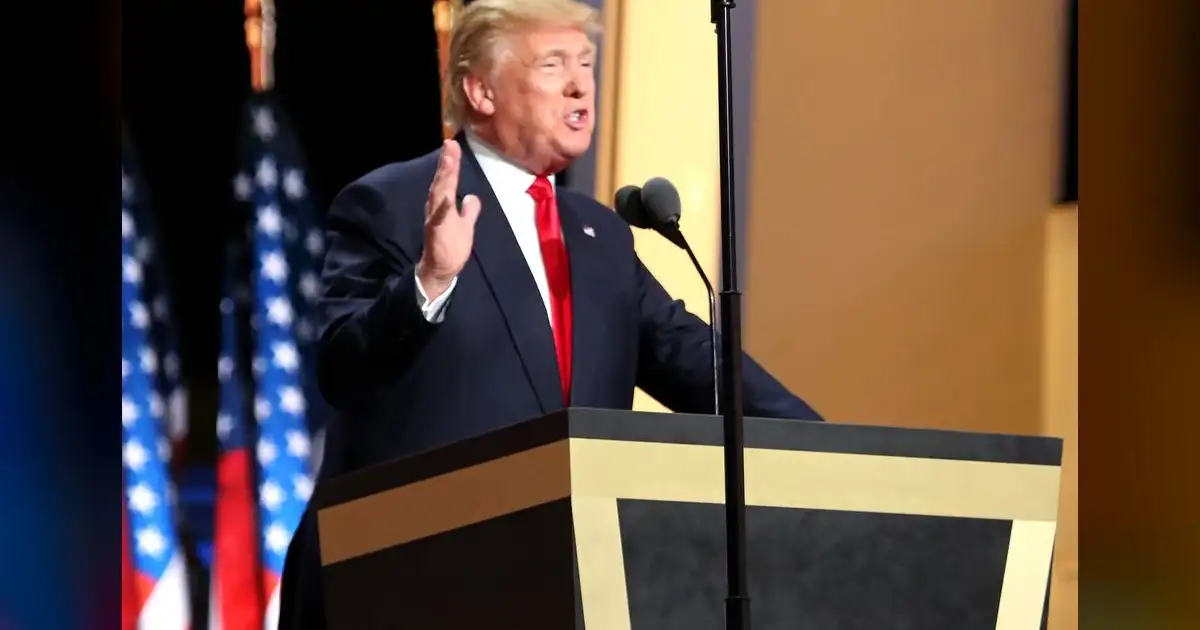
“It’s time for the world to hold Iran’s leaders accountable. They should be tried for war crimes against humanity—no more excuses, no more hiding behind terrorist proxies. Justice must be served,”on Truth Social.

This rhetoric isn’t just bravado. It’s a dangerous prelude to escalation. Framing Iran as a villain, Trump’s language could justify further military strikes or covert operations. Are these words a call for justice or a cover for more aggressive U.S. actions?
Diplomatic Risks and International Reactions
Supporters see Trump’s stance as a bold move—finally holding Iran accountable. They argue that enforcing international law could deter Iran’s regional terror and nuclear ambitions. His base cheers, tying into his “law and order” narrative.
Critics, including Democrats and foreign policy experts, warn this rhetoric could backfire. Elizabeth Warren called it “reckless and inflammatory,” cautioning it might push Iran’s hardliners into more aggressive retaliation and spark regional war. The Biden administration remains cautious, fearing diplomatic fallout and wider conflict. Behind closed doors, officials worry about the consequences.
The UN emphasizes due process, but Iran isn’t a signatory to the Rome Statute, and the ICC’s jurisdiction over Tehran is virtually nonexistent. Pursuing Iranian officials in international courts remains unlikely, rendering Trump’s calls symbolic rather than substantive.
History Repeats: The Illusion of War Crimes Trials
History shows prosecuting foreign leaders for war crimes often remains talk. During the Iran-Iraq War, allegations were widespread, but no Iranian officials faced trial. The U.S. has long accused Iran of terrorism and abuses, yet prosecutions are rare. Such accusations are often rhetorical tools to justify sanctions and threats.
Trump’s rhetoric echoes this pattern. He inflames tensions with fiery language, then hopes sanctions or limited strikes will suffice. His 2018 withdrawal from the Iran nuclear deal increased tensions, and now he talks about war crimes—more escalation in speech than law.
Trying Iran’s leaders in the ICC is a pipe dream. The U.S. would need a UN Security Council resolution, vetoed by China and Russia. Without global consensus, these threats are empty posturing—more noise than action.
The Timing and Political Calculus
Trump’s stance isn’t accidental. With the 2024 election near, he aims to energize supporters with Iran as a villain. His rhetoric helps rally the base and distract from domestic issues.
Recent military strikes have heightened tensions, risking Iran retaliations or support for militias. Trump’s brinkmanship could spiral out of control, risking wider conflict.
His history shows a pattern: inflame tensions with war crimes rhetoric to justify escalation. Recall how he used chemical attacks in Syria to justify strikes in 2017 and 2018. This is his playbook: threaten, escalate, then justify action.
The Real Risks of Playing with Fire
Calling for war crimes trials of Iran’s leadership is reckless. It could turn diplomatic tensions into open conflict. Iran’s leaders see this as a threat, likely prompting harsher retaliation and regional destabilization.
This rhetoric bolsters Iran’s narrative of resistance, rallying hardliners. Meanwhile, the Biden administration’s cautious approach is undercut, raising the risk of miscalculations and military misadventures.
Legally, prospects are slim. The ICC lacks jurisdiction over Iran, and China and Russia oppose such prosecutions. Trump’s calls are more symbolic than substantive, serving as distraction and justification for ongoing conflict.
Who Gains From the Chaos?
War is a lucrative business. Military contractors, oil companies, and insiders profit from chaos. Trump’s rhetoric sustains the military-industrial complex, fueling escalation that benefits the few at the expense of stability.
U.S. military budgets are rising again in 2026, with record weapons sales. Meanwhile, the public remains divided and distracted, while war profiteers continue cashing in. The cycle of conflict consolidates power and profits.
The Bottom Line: Rhetoric or Reality?
Trump’s call for war crimes trials is part of his history of weaponizing war talk to rally support. It’s more about optics than strategy. The chances of Iran’s leaders facing a tribunal soon? Zero.
This is political theater—distracting from real issues. The U.S. persists in military actions that destabilize the region and enrich war profiteers. Justice remains distant, replaced by chaos and profits.
Ask yourself: are we heading toward international tribunals, or is this just another excuse to escalate conflict? The truth is clear: war is big business, and Trump’s rhetoric is just the latest sales pitch.
Real accountability for Iran’s leadership requires genuine diplomacy—not fiery tweets or empty threats. Until then, the Middle East remains a tinderbox, ignited by leaders who profit from chaos.
Source: Google News