
Rescuer Finds Woman Alive in Nepal After 10 Days Under Debris — A Rare Glimmer of Hope Amid Systemic Failure
When a woman is pulled alive from the rubble after nearly a week buried beneath the ruins of a devastating earthquake, it’s tempting to see it as a miracle. But beneath that awe lies a sobering reality: Nepal’s disaster response remains woefully inadequate, and this rescue, while inspiring, exposes the deep-rooted failures that threaten countless more lives.
The Rescue That Should Have Never Happened — But Did
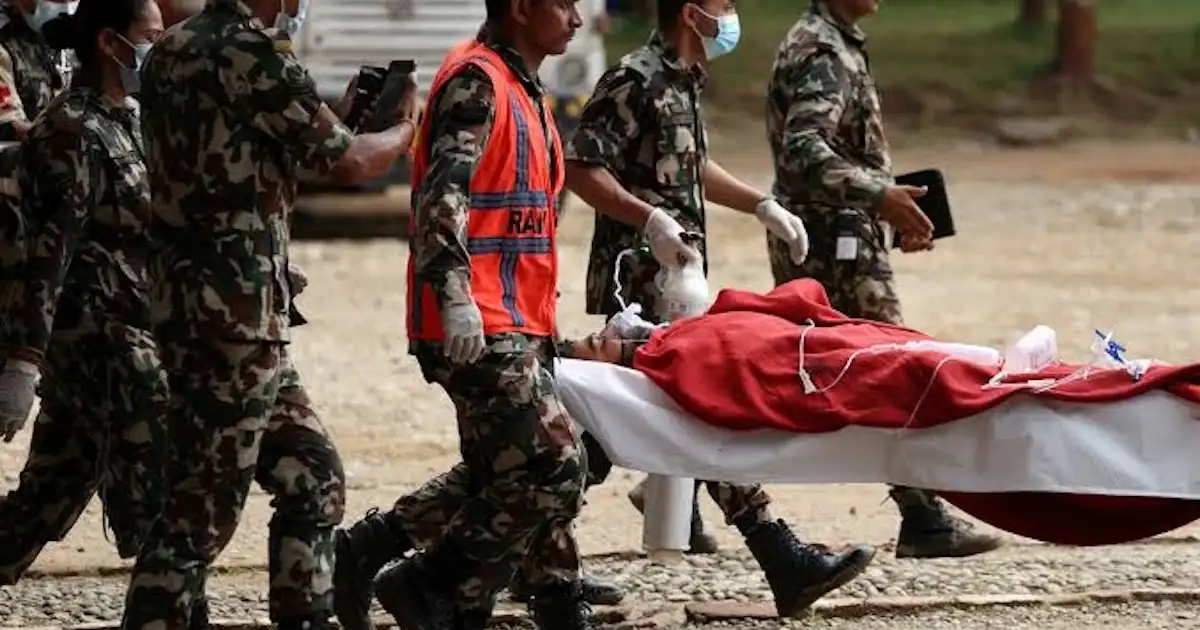
On September 5, Nepalese rescue teams, aided by international partners, located Maya Sherpa, a 34-year-old woman trapped under debris for nearly ten days. The earthquake struck Nepal’s eastern region with a 7.8 magnitude on August 29, leveling entire communities, destroying crucial infrastructure, and claiming thousands of lives. The epicenter was near the Tibet border, an area prone to seismic activity that continues to threaten fragile recovery efforts.

Rescue operations faced relentless obstacles: aftershocks triggered further collapses, hampered transportation, and severed communication lines. The rugged terrain and unpredictable weather compounded the challenge. Yet, against all odds, rescue teams employed thermal imaging drones and trained rescue dogs, demonstrating that cutting-edge technology combined with relentless determination can defy the chaos. This wasn’t luck — it was a testament to what can be achieved when resources and resolve align.
Key Facts in the Rescue
- Earthquake magnitude: 7.8
- Date of quake: August 29, 2026
- Rescue date: September 5, 2026
- Woman’s name: Maya Sherpa
- Time trapped: About 10 days
- Injuries: Dehydration, minor injuries
The coordinated effort involved Nepalese military, international aid organizations, and advanced technology. The government has called it a “remarkable achievement,” but let’s be frank: this is what effective rescue looks like when everything aligns — not a stroke of luck, but a necessity that should be routine, not extraordinary.
Systemic Failures Revealed — Why Rescues Are Rare Miracles
This rescue starkly exposes the underlying disaster: Nepal’s infrastructure is woefully unprepared for seismic catastrophe. The 2015 Gorkha earthquake claimed nearly 9,000 lives and left behind a legacy of broken buildings and weak planning. Today’s quake reveals that little has changed. Roads remain blocked, aid is slow to reach affected areas, and rescue capabilities are limited to a handful of drones and a few trained rescue dogs.
Why did Maya Sherpa survive for ten days? Because dedicated teams fought through chaos and adversity, leveraging every tool available. But why did it take so long? Because Nepal’s government and international partners still rely on outdated, fragile systems, and the aid they provide remains insufficient. The question isn’t just about this rescue — it’s about how many more lives could be lost because of persistent neglect.
Is Nepal’s obsession with patching up crumbling structures enough? Absolutely not. The region’s tectonic activity isn’t going away, and climate change is only increasing the frequency and ferocity of natural disasters. If Nepal truly aims to protect its citizens, it must stop treating seismic resilience as an afterthought and recognize that infrastructure is a matter of national security.
International Aid and Technology — Bright Spots in a Broken System
- India dispatched specialized rescue teams equipped with medical supplies and advanced equipment.
- The UN activated disaster response mechanisms, emphasizing sustained international support.
- Rescue relied heavily on thermal imaging drones and trained rescue dogs, showcasing the power of modern technology.
However, these efforts are only band-aids on a fundamentally broken system. International aid and high-tech tools are vital but insufficient without strong domestic infrastructure. Nepal’s government must stop blaming nature and start taking responsibility for its own disaster preparedness and resilience.
Why This Rescue Matters — And Who Gets the Credit
This rescue stands out as a beacon of hope amid widespread failure. It demonstrates that with enough technological innovation, determination, and global cooperation, survival after days trapped under rubble is possible. But it also exposes the hypocrisy of the aid system. Nepal’s leadership seeks praise for this miracle — yet they refuse to acknowledge their own failures.
Pushpa Kamal Dahal, Nepal’s Prime Minister, called the rescue “a show of strength and global solidarity.”Such praise is easy when international teams do the heavy lifting. Nepal’s government should be ashamed — their primary responsibility is to safeguard their citizens, not to rely on outsiders to save them.
Who truly benefits from this rescue? The international teams, whose efforts are lauded, while Nepal’s leaders scramble to spin a narrative of resilience. For years, they have ignored seismic risks, failed to invest in disaster-proof infrastructure, and now depend on miracles to cover their negligence. This is a crisis of political will, not just natural catastrophe.
The Next Step: Will Nepal Learn or Continue to Rely on Miracles?
What happens when the next earthquake hits? Will Nepal finally overhaul its disaster response systems or continue to depend on luck and international aid? Experts warn that aftershocks are likely to continue, and upcoming monsoon rains threaten to make rescue efforts impossible. The window to save more lives is rapidly closing.
Meanwhile, Nepal asks for more aid, more advanced technology, and more personnel. But the real obstacle isn’t resources — it’s political resolve. Without decisive leadership and a commitment to resilient infrastructure, these disasters will become only more deadly and frequent.
Natural disasters in the Himalayas are inevitable; seismic activity is a fact of life here. The question is whether Nepal will learn from each catastrophe, or continue patching cracks until the next, potentially more catastrophic, quake strikes. The choice is theirs, and the stakes couldn’t be higher.
Final Thoughts: Building Resilience or Relying on Reckless Luck?
This rescue underscores a fundamental truth: technology and teamwork can save lives. But it also starkly reveals the glaring gaps in Nepal’s infrastructure and disaster preparedness. If the country’s leaders had invested half the effort into building resilience as they do in chasing miracles, many more lives could have been saved.
The world witnessed a miracle — but miracles are not a strategy. They should be exceptional, not expected. Nepal must stop depending on good fortune and start constructing a future where survival isn’t left to drones and rescue dogs.
Otherwise, the next major quake could wipe out what remains of Nepal’s fragile communities, with no rescue effort large enough to compensate for systemic neglect. The time to act is now — before the next disaster strikes with even greater force.
Photo: Wikimedia Commons (query: Maya Sherpa)
Source: Google News