
Indonesia’s Maritime Crisis: A System on the Brink of Collapse
The sinking of a ferry with 130 passengers still missing exposes Indonesia’s flawed maritime safety system. Rescue efforts under treacherous conditions highlight decades of neglect that have put countless lives at risk.
The Sunda Strait Tragedy: A Preventable Catastrophe
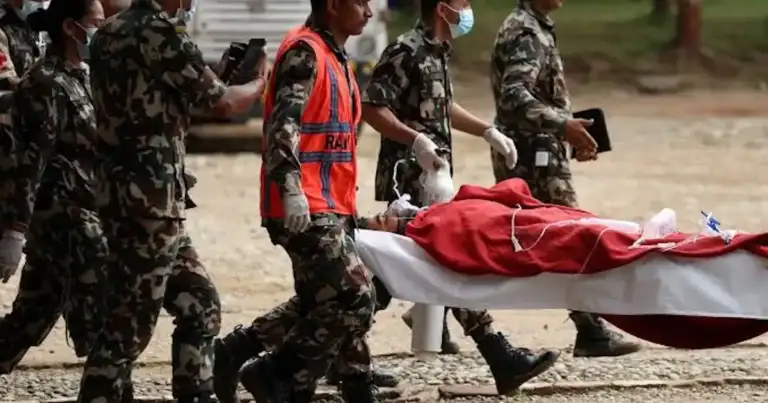
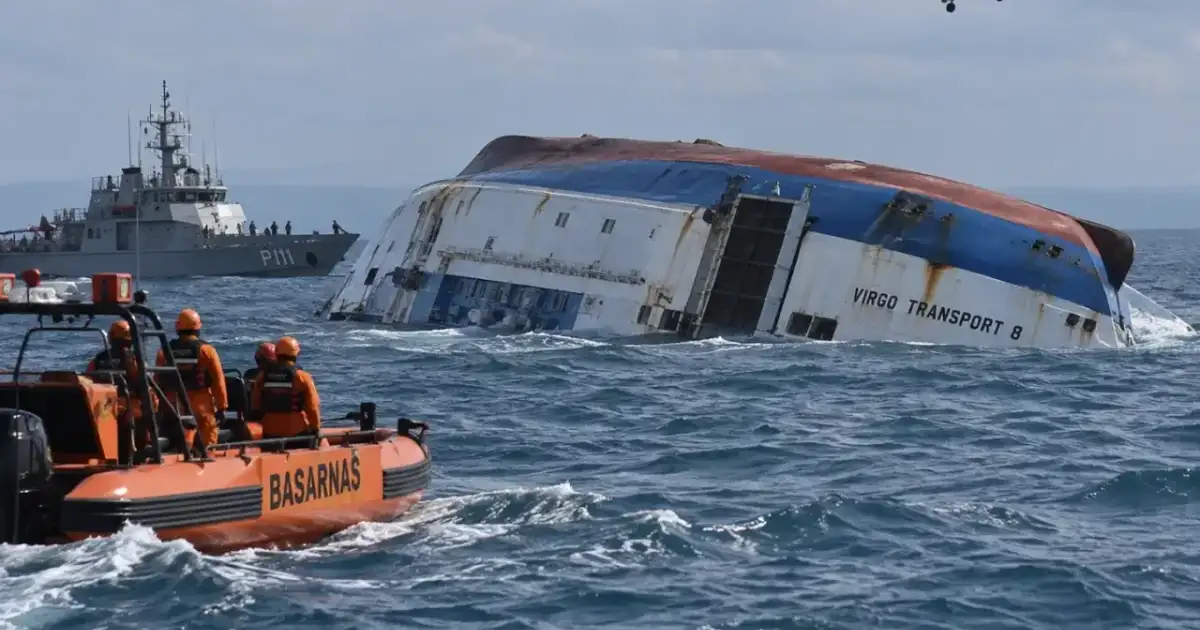
On September 13, 2026, the MV Nusantara Sejahtera was lost in the Sunda Strait during a fierce storm. Winds over 60 km/h and five-meter waves overwhelmed the vessel, which was en route from Merak to Bakauheni. Six bodies have been recovered; 130 others are presumed lost or trapped beneath the waves.

Rescue teams battle the storm’s fury to find survivors. But this disaster raises a key question: why was the ferry sailing into such danger? The answer points to a broken maritime safety culture.
Systemic Failures and Root Causes
Indonesia ranks among the most dangerous maritime nations, with over 1,000 ferry accidents in the past decade. Despite warnings, vessels like the MV Nusantara Sejahtera ignore severe weather advisories, driven by economic pressures rather than safety.
Ferry operators prioritize profits over safety, often operating outdated ships beyond capacity. Crew members are underpaid, undertrained, and ill-prepared for emergencies. This isn’t bad luck; it’s a failure of governance and regulation that sacrifices lives for short-term gains.
Who Is Truly Responsible? A Convergence of Negligence
Transport Minister Budi Karya Sumadi promises investigations, but decades of neglect persist. Indonesia’s weak enforcement, outdated weather systems, and bureaucratic inertia have failed families relying on these routes.
“Overcrowded vessels, poor maintenance, and ignored weather alerts are common,” said maritime safety expert Dr. Lila Putra. “This tragedy reflects deeper issues—corruption, complacency, and a failure to prioritize human safety.”
Since the 2018 sinking of KM Sinar Bangun, which killed over 200, little has changed. Safety protocols are routinely ignored, and systemic issues remain: lack of accountability, oversight, and a culture of violation.
Industry elites and corrupt officials turn a blind eye, valuing profit over safety. They treat ferries as assets rather than hazards, ensuring greed trumps human lives. The real villains are those who choose money over safety.
Global Dimensions: A Call for International Support
Indonesia’s maritime infrastructure lags behind global standards. Its outdated weather monitoring system cannot provide real-time alerts. Without international aid and technological upgrades, these tragedies will continue.
Regional cooperation remains weak. ASEAN nations lack robust safety standards, and Indonesia’s resistance to outside help hampers progress. Advanced forecasting and emergency systems could have mitigated this disaster.
The Broader Impact: Beyond the Immediate Losses
This isn’t just a local tragedy; it’s a warning for millions who rely on unsafe vessels daily. The government’s failure to enforce safety standards endangers lives and threatens regional stability. The Sunda Strait should symbolize connectivity, not catastrophe.
Profit Over People: The Heart of the Crisis
The core issue is Indonesia’s relentless pursuit of profit at safety’s expense. Operators cut corners because enforcement is weak. Ships are old, weather warnings ignored, and crews pushed to their limits—all for higher earnings.
The government’s responses are superficial—promises that vanish after each disaster. Unsafe ships still set sail, and the public pays the price. This cycle of neglect must be broken to prevent future tragedies.
Looking Ahead: Will Indonesia Break the Cycle?
Without confronting corruption and industry greed, tragedies will continue. Stronger enforcement, modernization, and political will are essential. The international community must hold Indonesia accountable and support reforms.
Real change requires a cultural shift—valuing human lives over profits and recognizing safety as a right, not a privilege.
Wake-Up Call or Repetition?
This disaster should be a wake-up call. Indonesia’s maritime safety system is fragile. Without urgent action, more families will mourn loved ones lost at sea. The question is whether Indonesia will finally commit to meaningful reform or keep losing lives to preventable disasters.
The clock is ticking. Will Indonesia rise to the challenge, or continue its pattern of tragedy? The choice is clear, and action is needed now.
Source: Google News