
NATO’s Response to Russian Drone Sparks Fears of Escalation
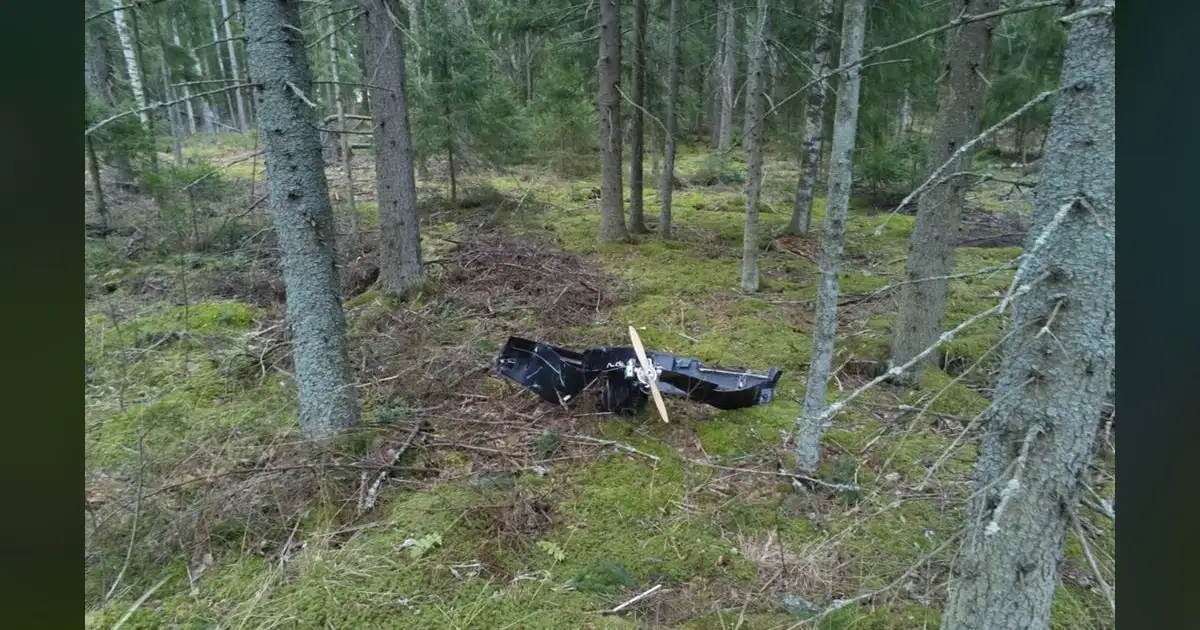
NATO forces shot down a suspected Russian drone over Lithuania on September 14, 2026, signaling a shift from passive defense to active confrontation. The move raises questions: Is this a warning or the start of a dangerous escalation?
The Incident: Show of Force or Provocation?
Early morning, NATO jets from Lithuania and Poland intercepted an unmanned aerial vehicle near Kaliningrad. The drone ignored radio commands, prompting NATO to destroy it with air-to-air missiles. No casualties resulted, but the message was clear: NATO will defend its borders fiercely.

This is the first confirmed direct engagement with a Russian UAV in Baltic airspace in recent memory. NATO Secretary-General Jens Stoltenberg called it a “serious escalation,” but insisted NATO’s response was “defensive and proportionate.”
- Location: Near Lithuania, close to Kaliningrad
- Date: September 14, 2026
- Participants: NATO jets from Lithuania and Poland
- Outcome: Drone destroyed, no casualties
The Russian Ministry of Defense denies involvement, claiming the drone was a Ukrainian reconnaissance UAV operating illegally. Moscow’s rhetoric has grown more aggressive, warning that NATO’s actions could “cross red lines” and hinting at possible retaliation.
Why This Matters: More Than Just a Drone
This isn’t an isolated incident. Russia’s military activities—missile drills, increased patrols—signal a broader strategy to push NATO back and deter Western influence. Moscow’s warning that support for Ukraine could “cross red lines” hints at potential further escalation.
NATO’s response aims to send a firm message: it will defend its members against provocations. Yet internal divisions threaten unity—Hungary and Turkey urge caution, while Poland and the Baltic states demand stronger military support.
- Increased NATO patrols: Up 40% since 2024
- Russian military flights: Over 150 near NATO borders in six months
- Lithuania’s military budget: Up 15% this year, mainly for air defense
The region remains volatile, with Russia’s warnings serving as a signal that NATO’s backing for Ukraine and its Baltic presence could spark a larger conflict if pushed too far.
Historical Context and Future Risks
This isn’t NATO’s first encounter with Russia in the Baltics. In 2019, a Russian spy drone was shot down over Estonia. But the recent destruction of a UAV marks a new level of open confrontation, suggesting NATO is more willing to escalate.
Since Russia’s invasion of Ukraine in 2022, Baltic nations have increased military readiness. Yet, is this enough to deter Moscow, or are we edging toward a broader war? Past incidents—Crimea, border clashes—show how quickly conflicts can spiral.
NATO’s decision to shoot down the drone is a gamble: it could strengthen deterrence or ignite a larger conflict. The line between defense and provocation is razor-thin.
Who Gains, Who Loses?
NATO’s show of strength reassures member states and bolsters Ukraine’s prospects. Russia faces a choice: escalate provocations risking wider war or accept NATO’s resolve. Moscow’s warnings are not idle; they threaten retaliation—cyber, military, or otherwise.
Civilians in Estonia, Latvia, and Lithuania live under the shadow of potential conflict, caught between security and the risk of escalation. Their fears reflect the fragile balance in the region.
Escalation or Deterrence? The Path Forward
This incident questions whether NATO’s firmness is a prudent stance or reckless provocation. Increased patrols aim to deter Russia but risk miscalculation—potentially triggering a larger war.
Russia perceives NATO’s presence as a threat and warns of retaliation. Continued pushback could provoke military strikes, cyberattacks, or other aggressive acts. The world watches nervously as the balance teeters on the edge.
Final Thoughts: Warning or Wake-up Call?
The drone shoot-down signals NATO’s unwillingness to back down. Russia views it as a red flag—either NATO retreats or faces consequences. Are we heading into a new Cold War, or is this a dangerous misstep?
The Baltic region is now a geopolitical battleground. NATO’s bold move has raised the stakes—and the next step could ignite a conflict that reshapes Europe’s security landscape.
As tensions mount, the world must ask: how much longer can this dangerous game continue before it spirals out of control?
Source: Google News