
Indonesia’s Mount Semeru Eruption Grounds Over 300 Flights, Sparks Global Airline Disruption
Mount Semeru’s sudden eruption has halted hundreds of flights, exposing how fragile global transportation networks are to natural disasters. The eruption has disrupted regional connectivity and highlights the world’s dependence on Indonesia’s volcanic activity.
The Eruption That Grounded Southeast Asia’s Largest Airport
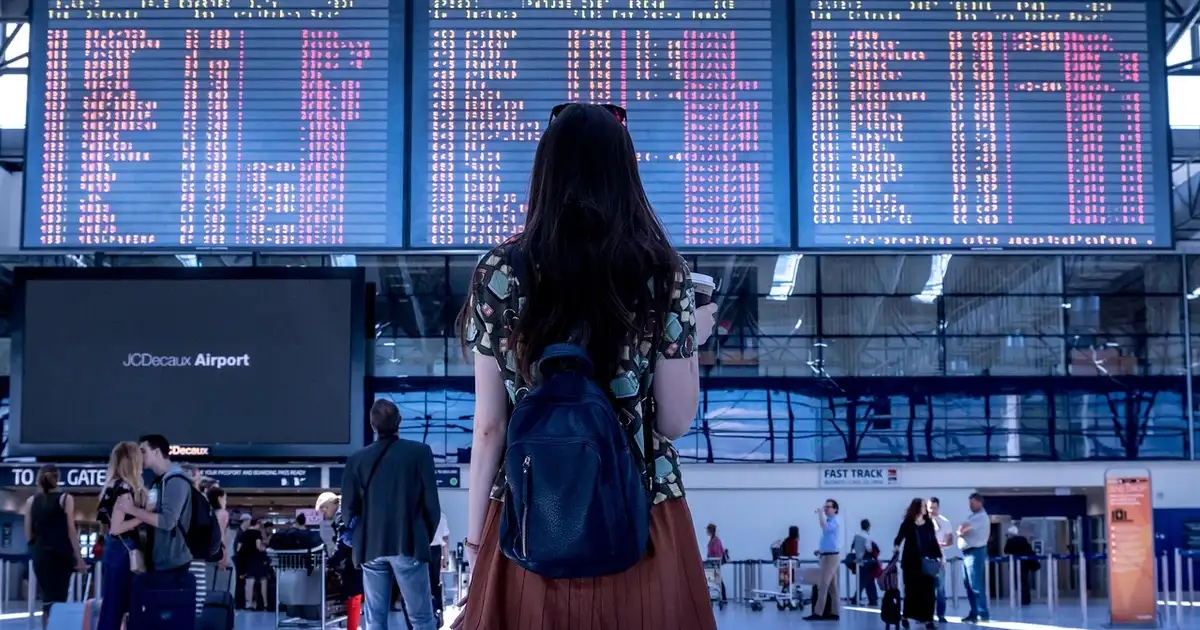
Early Tuesday, Semeru erupted violently, sending ash clouds up to 15,000 meters. Southeast Asia’s busiest hub, Jakarta’s Soekarno-Hatta International Airport, canceled over 300 flights. Airlines are rerouting, avoiding the Java Sea region entirely.

The Civil Aviation Authority of Indonesia (CAAI) imposed a 50-kilometer no-fly zone, affecting flights to Australia, Singapore, and beyond. Satellite images show ash dispersing eastward into the Indian Ocean, with winds likely to keep the cloud active for days or weeks.
Nearby villages are evacuating amid injuries from ash inhalation and landslides. No fatalities have been reported, but the region’s volatility remains a threat.
Why Are So Many Flights Grounded—and How Long Will the Disruption Last?
The ash cloud’s persistence is uncertain. Forecasts suggest it could last 48 to 72 hours, but eruptions rarely follow predictable patterns. Airlines like Singapore Airlines and Malaysian Airlines have suspended or diverted flights. The disruption risks destabilizing global supply chains, especially for time-sensitive cargo.
Historical Context: Indonesia’s Volcanic Legacy and Its Global Impact
Indonesia’s position on the Ring of Fire makes eruptions common. Past events, like the 2010 Mount Merapi eruption, grounded thousands of flights and cost airlines millions. Semeru’s recent activity surpasses previous disruptions, revealing Indonesia’s ongoing volcanic threat to international markets.
The Broader Implications: Regional Stability and Global Supply Chains at Risk
This eruption shows how natural events in one region can trigger worldwide crises. Indonesia’s role as a transit hub means delays ripple into supply chains, affecting electronics, pharmaceuticals, and more. Prolonged disruptions could also lead to regional geopolitical tensions as neighboring nations tighten controls.
The Power Dynamics: Who Benefits, Who Bears the Blame?
President Joko Widodo faces pressure to manage the crisis effectively. His focus on safety is reassuring, but Indonesia’s repeated volcanic activity exposes systemic underinvestment in disaster preparedness. The international response reveals how unprepared the global system remains for such large-scale natural disasters.
What’s Next? Will Disruptions Persist or Ease?
If ash clouds linger beyond 72 hours, days or weeks of cancellations are possible. Airlines are planning contingencies, but the economic toll is mounting. Fuel prices fluctuate, shipping delays increase, and markets react nervously. Escalating activity could deepen regional instability.
Conclusion: Are We Ready for Nature’s Next Move?
This eruption underscores the need for better disaster resilience. Indonesia’s volcanoes will erupt again, and the world must prepare. Without meaningful investment in infrastructure, natural disasters will continue to threaten global stability. Our response must match Mother Nature’s power.
Source: Google News