
Imagine 170,000 American citizens bracing for a Category 5 super typhoon, a monster storm with 173 mph winds threatening total blackout, while the rest of the nation barely registers a whisper. This isn’t a hypothetical; it’s the terrifying reality unfolding in a US territory right now, and the mainland media’s silence is deafening.
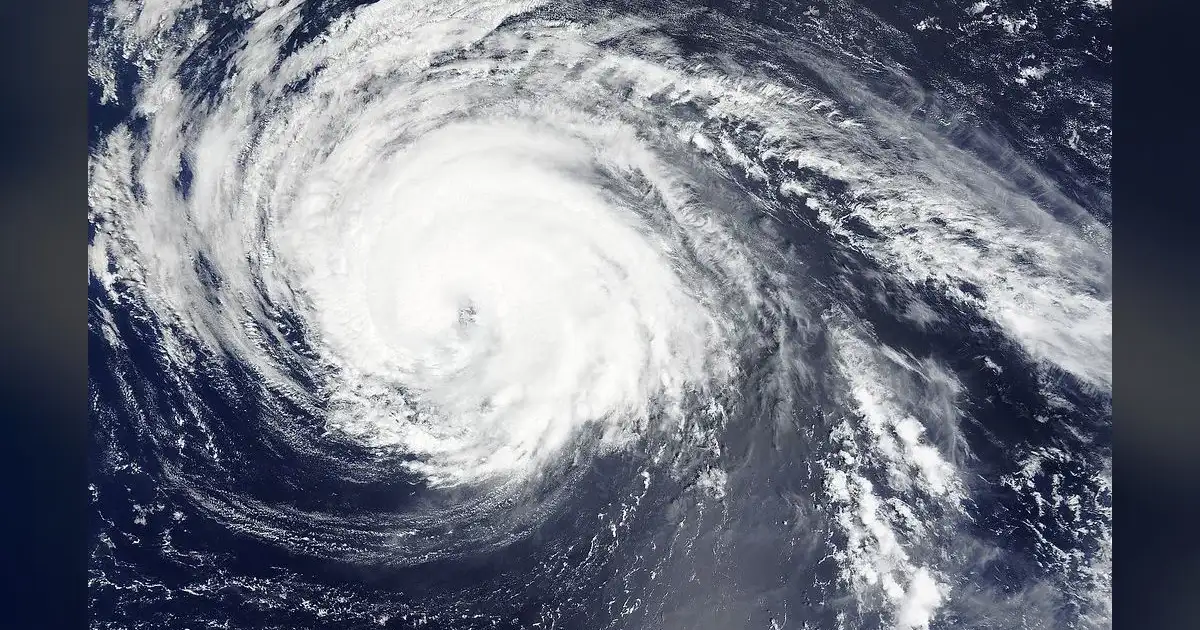
This isn’t just “bad weather”; it’s a Category 5 monster, a meteorological titan packing sustained winds of an astonishing 173 miles per hour. Scientists and disaster preparedness experts aren’t just “warning” – they’re screaming about a catastrophic impact: widespread devastation, infrastructure obliteration, and a complete power grid collapse that could plunge an entire population into darkness.

Over 170,000 American citizens face this existential threat. Their lives, their homes, their very future hang in the balance. So, I have to ask: Where is the wall-to-wall coverage? Why aren’t emergency alerts blaring across every national channel? Why does it feel like these Americans are simply invisible?
The Silent Storm: Public Outrage Explodes
The silence from our major news outlets isn’t just noticeable; it’s a moral failure, a deafening void that has ignited a massive outcry across social media. People are beyond furious; they’re accusing the media—rightly, in my view—of abandoning fellow Americans in their hour of greatest need.
From the raw outrage on Reddit threads to the blistering critiques on X (formerly Twitter), the digital world is ablaze with questions. Users aren’t just “venting”; they’re demanding to know why a crisis of this magnitude, threatening an entire US territory, is met with such stunning indifference. The message is clear: these Americans feel abandoned, and frankly, who can blame them?
“Mainland media ghosts us again—170k Americans about to get erased by 184mph Sinlaku, but Fox prioritizes Kardashian drama?” wrote one frustrated user on Reddit’s r/Guam.
This isn’t just an isolated complaint; it’s a rapidly spreading sentiment, a collective cry of anguish. For the residents of this US territory, the message is chillingly clear: their lives, their homes, their very existence seem to matter less to national headlines than the latest celebrity scandal or political squabble.
A Betrayal of Trust: Why the Blackout Threat Matters
Let’s be brutally clear: the potential for a complete, territory-wide blackout threat isn’t just an “inconvenience” you can shrug off. It’s a life-or-death scenario. Imagine hospitals, already stretched thin, struggling to maintain critical care without power. Communication lines—the very lifelines for distress calls—silenced. Emergency services, meant to be first responders, crippled and unable to coordinate.
As a science communicator focused on health, I can tell you this isn’t merely about property damage; it’s a looming public health catastrophe. Clean water supplies could be swiftly contaminated, sparking outbreaks. Access to vital, life-saving medications will vanish. And food shortages? They won’t just be a “concern”; they’ll be a grim reality, pushing an already vulnerable population to the brink.
For an isolated US territory, thousands of miles from the mainland, recovery isn’t just “difficult”; it’s an epic, logistical nightmare. Aid—food, water, medical supplies—must travel vast ocean distances. In such a critical situation, every single hour of delay isn’t just an inconvenience; it costs lives. The national media’s failure to proactively cover this storm isn’t just a lapse; it’s an unforgivable scandal.
Let’s talk infrastructure: this territory relies on a single, vulnerable airport and port. Imagine both obliterated, cutting off all external relief. And the power grid? It’s not just “exposed”; a staggering 80% of it is above ground, a sitting duck for 173mph winds. This isn’t merely a “recipe for disaster”; it’s a pre-programmed catastrophe waiting to unfold.
Conspiracy or Neglect? The Public Demands Answers
The public isn’t just angry; they’re grasping for answers in the vacuum of information. When official channels fail, speculation fills the void. Wild theories are, predictably, swirling online, with many convinced this media blackout isn’t accidental but intentional. People aren’t just “seeking” answers; they’re demanding to understand the “why” behind this shocking silence.
“173mph winds? Perfect timing for election psyop. Winds stronger than President Trump’s polls, blackouts to hide the steal,” one X user posted, reflecting widespread distrust.
Beyond election-related theories, others are pointing to larger, more sinister government schemes. Some suggest this typhoon is a “deep state distraction op,” a convenient way to divert attention from other pressing national issues. These ideas, however extreme, gain alarming traction precisely because clear, reliable information is so conspicuously absent.
And on platforms like 4chan’s /pol/, the cynicism runs even deeper. Users there are arguing that this lack of coverage exposes a harsh, uncomfortable truth: that Washington, D.C., has effectively abandoned its Pacific outposts. For them, it’s not just a storm; it’s confirmation that they are truly 5,000 miles from any meaningful “help” or concern from the mainland.
Some, driven by desperation and distrust, even question the storm’s very origins, suggesting everything from a “HAARP test” to a “CGI hurricane.” While these theories might sound outlandish, they underscore a profound, desperate need for transparency and credible information. People aren’t just “craving” news; they’re begging for reality, for truth, for anything but this unnerving silence.
The Real Science of Super Typhoons and Preparedness
As a science communicator, I must emphasize: regardless of the swirling conspiracy theories, the scientific consensus is crystal clear and frankly, terrifying. Extreme weather events are not just “increasing”; they are accelerating. Super typhoons are becoming not just “more frequent” but more powerful, their intensity growing year after year, fueled by a changing climate.
This grim reality makes robust preparedness not just “vital” but absolutely non-negotiable. Our US territories in the Pacific are literally on the front lines of this climate crisis. They don’t just “need” infrastructure; they need resilient, cutting-edge systems. They need meticulously crafted, actionable emergency plans. And critically, they need sustained, unwavering national attention to secure the resources and support required.
My work, deeply rooted in science, health, and public health, compels me to say that this lack of national focus isn’t just “alarming”; it’s a dereliction of duty. We must not only understand the medical breakthroughs essential for effective disaster response but actively invest in and dramatically improve our public health infrastructure in these vulnerable regions.
When any US territory faces a super typhoon threat of this magnitude, every single resource counts. And yes, that absolutely includes media attention. It’s not just “nice to have”; it’s a critical tool that mobilizes aid, raises essential awareness, and, unequivocally, saves lives.
The national media’s failure to cover this storm isn’t just a misstep; it’s a profound failure to protect American citizens. We cannot, under any circumstances, allow any segment of our population to be effectively “erased” by a weather event, simply because they are geographically distant. We must demand immediate action and unwavering accountability, starting now.
The storm isn’t just “charging”; it’s here. The winds are raging, and the people are terrified, feeling utterly alone. It’s beyond time for the media to wake up. We must demand answers: Who made the callous decision to bury this story? What are the true, human costs of this unforgivable media silence? The answers will not only expose a deep flaw in our national consciousness but challenge our very definition of what it means to be “American.” This super typhoon is more than a weather event; it’s a moral reckoning. We must prioritize all American lives, from the mainland to the farthest Pacific outpost. The time for indifference isn’t just “over”—it was never acceptable to begin with. Let this be the last time.
Photo: Photo by NASA Goddard Photo and Video on Openverse (nasa) (https://www.flickr.com/photos/24662369@N07/21251861655)
Source: Google News