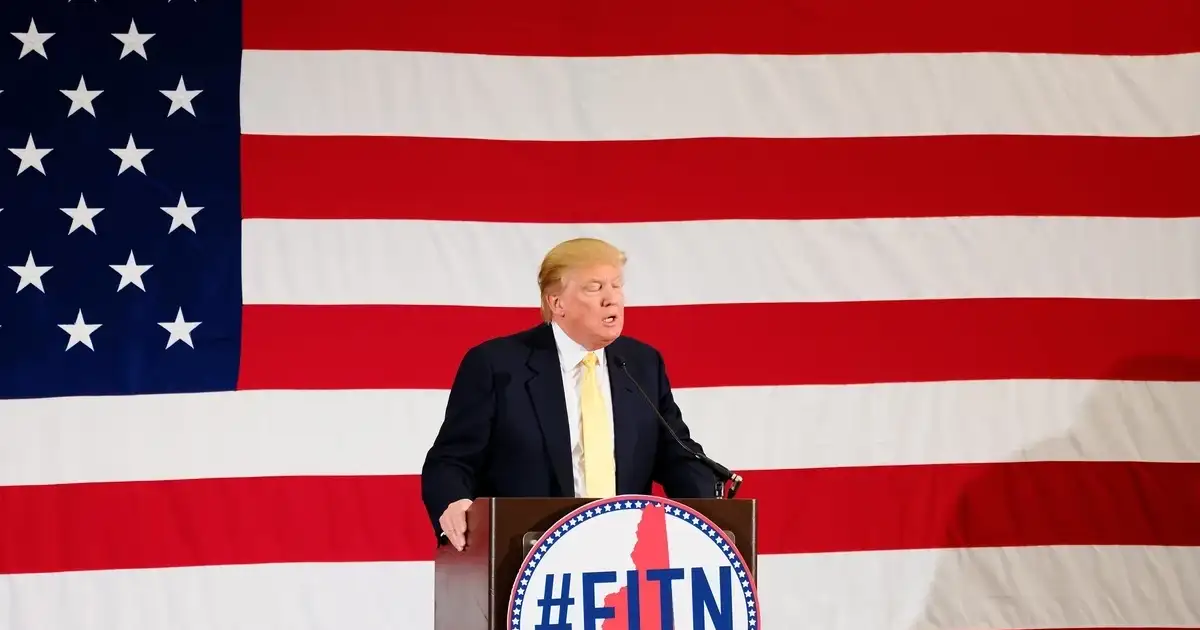

Make no mistake: President Donald Trump isn’t just making a play; he’s executing a strategic bomb, targeting the entrenched issue of veteran PTSD with a controversial new weapon: psychedelic drugs. This isn’t merely a headline designed to grab attention; it’s a calculated, high-stakes maneuver signaling a profound shift in how the federal government approaches mental health and traumatic brain injuries among our nation’s heroes.
The White House is preparing to drop an executive order, expected in early 2025, that will dramatically expand federal research into the psychedelic compound ibogaine. The explicit mission? To aggressively pursue new avenues for treating PTSD and traumatic brain injuries (TBI), particularly for the men and women who have sacrificed so much in service. This isn’t some back-bench proposal; it’s a presidential mandate, a direct order from the top to tackle a crisis that has plagued our veterans for generations.

Currently, ibogaine is locked down as a Schedule I controlled substance. For those unfamiliar with the DEA’s playbook, that designation is the federal government’s ultimate red flag: high potential for abuse, absolutely no accepted medical use. This executive order isn’t a magic wand; it won’t instantly legalize ibogaine for public consumption. Instead, it’s a powerful signal, a green light for substantial research funding, designed to pry open the tightly sealed doors of scientific inquiry. It’s about legitimate clinical studies, not opening the floodgates for recreational use. This distinction is critical, and any misinterpretation would be a costly fumble.
The Field Position: Research vs. Reality on the Front Lines
This isn’t a deceptive play-action pass; it’s a direct, frontal assault on a long-standing medical and bureaucratic problem. While the order speaks to “easing access,” the immediate, tangible impact is squarely on research, not immediate availability on the street. For the tens of thousands of veterans—estimates suggest up to 30% of combat veterans suffer from PTSD, with countless more battling TBI—who grapple with debilitating symptoms daily, that distinction isn’t just critical; it’s the difference between a glimmer of hope and sustained, agonizing reality.
The drug remains fully illegal under federal statute. Shifting it from the restrictive confines of Schedule I to a more accessible classification is no short sprint; it’s a grueling, multi-year marathon. This process demands nothing less than exhaustive, peer-reviewed studies and the arduous gauntlet of approvals from formidable agencies like the DEA and FDA. That’s a bureaucratic defensive line tougher than any in professional football, designed to scrutinize every detail, every potential risk. We’re talking about years, not months, of rigorous scientific validation.
So, while the intent is undeniably to provide relief for veterans, the timeline is anything but instant gratification. This is a commitment to a long-term strategy, a multi-season game plan, not a quick fix. The crucial question, the one that will determine the ultimate success or failure of this initiative, is whether the political will and the necessary funding can endure for the duration required to match the profound medical need. Can the administration sustain this drive, or will it lose momentum after the initial kickoff?
Breaking Down the Playbook: Uncharted Territory
President Trump’s bold move catapults a historically controversial treatment into the mainstream spotlight. For decades, psychedelics were relegated to the fringe, associated with counterculture and illicit use. Now, they are receiving a serious, top-down examination from the highest office in the land, a move that fundamentally changes the conversation. This isn’t just a policy shift; it’s a cultural earthquake within the medical establishment.
What does this mean for the pharmaceutical industry? They’re not just watching; they’re dissecting every angle, calculating potential returns. Large-scale federal research, particularly with presidential backing, could unlock massive investments in clinical trials, drug development, and manufacturing. However, it also means navigating an incredibly complex and historically resistant regulatory landscape, a minefield of legal and ethical considerations. The potential for a multi-billion dollar market is there, but so are the unprecedented hurdles.
For veteran advocacy groups, this is a moment of profound mixed emotions. On one hand, it’s an undeniable validation of a desperate, unmet need, an acknowledgment that traditional therapies often fall short. It’s a powerful signal that their pleas for alternative solutions are finally being heard at the highest levels. On the other, it’s a promise that, while potent, still needs to deliver concrete, tangible results for those suffering. Hope, when repeatedly deferred, can quickly turn into profound disillusionment. This is a critical play, and failure to execute could have devastating consequences for trust.
- The executive order specifically targets ibogaine, a Schedule I psychedelic.
- Its primary focus is expanding federal research for PTSD and TBI.
- Veterans are the explicitly stated primary beneficiaries of this initiative.
- Ibogaine currently remains a Schedule I substance, meaning high abuse potential and no accepted medical use.
- The order signals a major push for research funding, not immediate legalization or recreational access.
The Veteran Angle: Is This a Real Game Changer or Just a Promising Huddle?
Every year, hundreds of thousands of veterans return home, carrying invisible wounds far deeper than any physical scar. PTSD and TBI inflict a devastating toll, manifesting as chronic anxiety, debilitating flashbacks, severe depression, and cognitive impairments. Traditional treatments, while effective for some, simply don’t work for everyone, leaving a significant portion of our veteran population trapped in a cycle of suffering, often leading to tragic outcomes like suicide. These men and women are desperate, seeking any viable alternative to reclaim their lives.
This executive order, therefore, offers more than just a glimmer; it provides a genuine beacon of hope, a potential lifeline. It unequivocally acknowledges that the current medical playbook is incomplete, that new, perhaps unconventional, approaches are not just warranted but urgently required. It throws the full weight of federal muscle behind exploring these options, validating the experiences of countless veterans who have long felt abandoned by the system. This isn’t just about drugs; it’s about dignity and the relentless pursuit of healing.
However, hope is a fragile commodity, especially for those who have faced repeated disappointments. If the research process stretches on for too long, or if it encounters insurmountable roadblocks and bureaucratic delays, the initial surge of optimism will inevitably give way to profound frustration and cynicism. Veterans need actionable solutions, not just endless studies. They need an end zone, not just another first down. The true game changer arrives when effective, safe treatments are not just discovered but are widely and equitably available to every veteran who needs them. Until then, this is merely the opening drive of a very long, demanding game.
The Obstacles on the Field: A Defensive Blitz
The road ahead is riddled with formidable obstacles. The DEA, as the gatekeeper for Schedule I drugs, maintains stringent regulations. Any significant expansion of research will demand their full cooperation and active participation. This isn’t solely a presidential decree; it’s a complex, multi-agency operation requiring seamless coordination and a unified strategic vision. A misstep here could lead to an immediate interception, halting progress dead in its tracks.
Funding represents another colossal hurdle. Expanding federal research on this scale means allocating substantial, sustained dollars over many years. Will Congress, notoriously fickle with budgets and susceptible to political winds, remain fully on board for the long haul? Budgetary battles are always brutal, and a controversial topic like psychedelics could easily become a political football, tossed aside when convenient. Public perception, too, is a critical variable. Psychedelics, despite growing scientific interest, still carry a heavy stigma for many segments of the population. Overcoming decades of negative conditioning will require a masterclass in clear, consistent communication, bolstered by irrefutable scientific results that speak for themselves.
This executive order is a powerful kickoff, setting the direction for a monumental undertaking. But let’s be clear: it is far from a touchdown. The hardest yards are still ahead, fought inch by agonizing inch against bureaucratic inertia, scientific unknowns, and public skepticism. The ultimate test is whether this initiative can not only break through the formidable defense of ingrained policy and perception but also deliver tangible, life-altering relief for the veterans who need it most. The clock is ticking, and the stakes couldn’t be higher. This is a game we cannot afford to lose.
Source: Google News