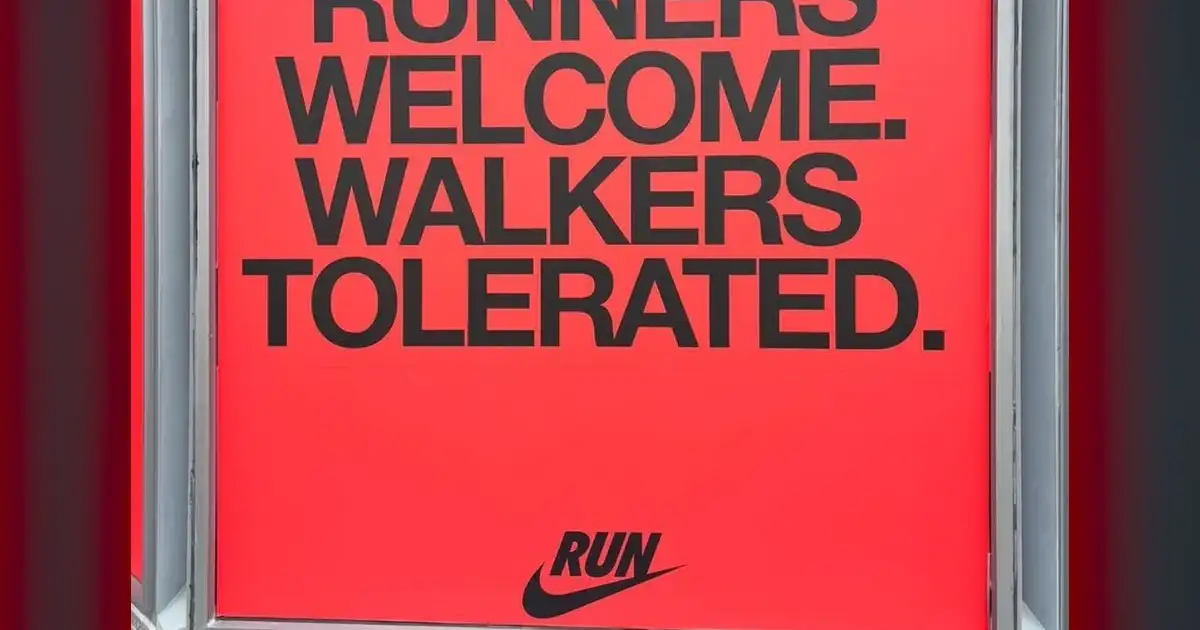

Nike didn’t just stumble at the Boston Marathon; they face-planted in front of the entire running world. Their “Victory Belongs to the Swift” sign wasn’t just tone-deaf – it was a colossal miscalculation, a stark, digital slap in the face to the very community they claim to champion.
The sportswear giant was scrambling to yank the controversial digital billboard. This corporate retreat happened near the finish line, a desperate damage control effort just hours after the race on Monday, April 18, 2026. The sign featured only Nike’s elite sponsored athletes, blatantly ignoring the thousands of everyday participants who poured their hearts and souls into the iconic marathon.

By Tuesday, April 19, 2026, the digital fuse had blown. Social media wasn’t just buzzing; it exploded. Amateur runners, clubs, and advocates called the message exclusionary, a betrayal of the sport’s spirit.
Nike’s iconic “Just Do It” ethos didn’t just vanish; it evaporated in a puff of corporate cluelessness. This sign contemptuously dismissed the majority of runners, making their incredible achievements feel insignificant. Crews dismantled the big LED billboard by midday Tuesday, but the damage was already done.
Nike’s Blunder: A Symptom of a Deeper Disconnect
This wasn’t a simple oversight; it was a symptom of a deeper, systemic issue. Nike is losing its connection with the everyday athlete, and this isn’t a one-off mistake – it’s a pattern. Is Nike so focused on the finish line that they’ve forgotten the journey?
The evidence points to a widening gap. Nike’s market share in running shoes has slipped significantly. Brands like Hoka and On aren’t just gaining ground; they’re eating Nike’s lunch by focusing on the core desires of recreational runners: unparalleled comfort, genuine inclusivity, and a vibrant sense of community.
They understand that for the vast majority, running isn’t a race for glory; it’s a personal quest, a mental escape, a way to connect. And they’re building empires on that understanding.
Nike’s strategy leans heavily on elite athletes, creating aspirational marketing that, while dazzling, often misses the pulse of the average fitness enthusiast. These aren’t just consumers; they’re individuals seeking relatable stories, gritty triumphs, and shared struggles, not just unattainable podium finishes. They want to see themselves reflected, not just idealized.
This isn’t Nike’s first misstep on inclusivity. They faced past criticisms for limited sizing in apparel lines and underrepresentation of diverse body types in ads. This consistent pattern suggests a fundamental misunderstanding of their broader customer base, not an isolated incident. It’s a brand that seems to be talking at its audience, not with them.
Other brands get it right, demonstrating a clear path forward. Brooks and New Balance sponsor elites, yes, but they also celebrate “back of the pack” runners with equal fervor. They invest heavily in community events, local races, and grassroots initiatives. This holistic approach builds stronger, more authentic loyalty among a broader demographic, proving that true victory lies in shared experience, not just individual speed.
The Social Media Reckoning: When Runners Fight Back
The backlash was swift, brutal, and undeniably powerful. Sarah Chen, a recreational marathoner, perfectly encapsulated the outrage, blasting Nike on X with her frustration on April 18, 2026.
“Just finished my first Boston Marathon, a dream come true. Then I saw Nike’s sign: ‘Victory Belongs to the Swift.’ Guess my 4:30 finish doesn’t count. Thanks for making me feel invisible, @Nike. #EveryRunnerCounts #BostonMarathon”
Her tweet, which quickly went viral, hit a raw nerve. Thousands of non-elite runners felt ignored, their months of grueling training, their personal sacrifices, and their profound sense of accomplishment overshadowed by a narrow, exclusionary focus on speed.
Their stories, their victories, were dismissed with a single, ill-conceived slogan. Dr. Emily Harding, a respected Sports Marketing Analyst, weighed in on CNBC, calling it a “classic case of a brand misreading the room.”
Her assessment was sharp: “Consumers expect brands to not just sell products, but to genuinely share their values. Nike failed spectacularly here, demonstrating a shocking lack of empathy.”
The incident demonstrates the undeniable power of social media. Collective online outrage held a corporate giant accountable, forcing rapid, public changes in what should have been a carefully considered marketing strategy. This isn’t just a new era for brand management; it’s a mandate for authenticity and respect.
The Bottom Line: What “Victory” Really Means
Nike’s apology felt hollow, a textbook exercise in damage control. They claimed intent to celebrate elites, but begrudgingly acknowledged the message was “exclusionary.” Their promise to “do better” rings hollow when viewed against their track record.
A BrandTrust (2025) study starkly illustrates the consequences: negative social media sentiment can cause a 5-10% dip in consumer trust, directly impacting sales and stock performance. Nike knows this cold. Their quick removal and perfunctory apology weren’t about genuine remorse; they were calculated maneuvers to protect their bottom line.
The Boston Marathon hosts around 30,000 runners annually. Only a few hundred are elite, vying for podium spots. The vast majority are amateurs – the backbone of the running community, and crucially, Nike’s loyal customers. By alienating this massive segment, Nike shot itself in the foot, jeopardizing future sales and brand equity.
For everyday athletes, “victory” means so much more than speed. It’s about personal achievement, pushing past perceived limits, the sheer perseverance of training, and the profound sense of community found on the course. Nike’s sign missed this entirely, reducing a monumental human effort to a mere race for the fastest.
Younger consumers, like Gen Z and Millennials, demand authentic brands that prioritize social responsibility and genuine connection. A misstep like this can destroy long-term loyalty, signaling a deeper problem for Nike’s ability to resonate with the next generation of buyers.
The Truth About Brand Authenticity: Lessons Unlearned
Nike’s “edgy” marketing has backfired before, proving they’re slow learners. In 2013, a congratulatory tweet after the Boston Marathon was deemed insensitive following the tragic bombing. One would think such a profound error would instill a permanent lesson in empathy and context. Apparently not.
The real motive here is clear: Nike needs to sell shoes. Alienating the majority of runners is catastrophic for business. Their apology was not about genuine remorse; it was about protecting their market share and repairing a self-inflicted wound.
This incident is a blaring wake-up call for all brands. Authenticity matters. Inclusivity matters. Consumers are savvier than ever; they will call out hypocrisy, and they will demand better from the companies they support. The power has shifted, and brands ignore it at their peril.
Nike needs to do more than apologize; they need to fundamentally recalibrate their compass. Rebuilding trust demands genuine, sustained action that connects with their diverse customer base, not just their sponsored few. Because in the long run, the real victory isn’t just about speed – it’s about the unwavering loyalty of every single runner who laces up. And if Nike won’t fight for that, you can bet their rivals will.
Source: Google News