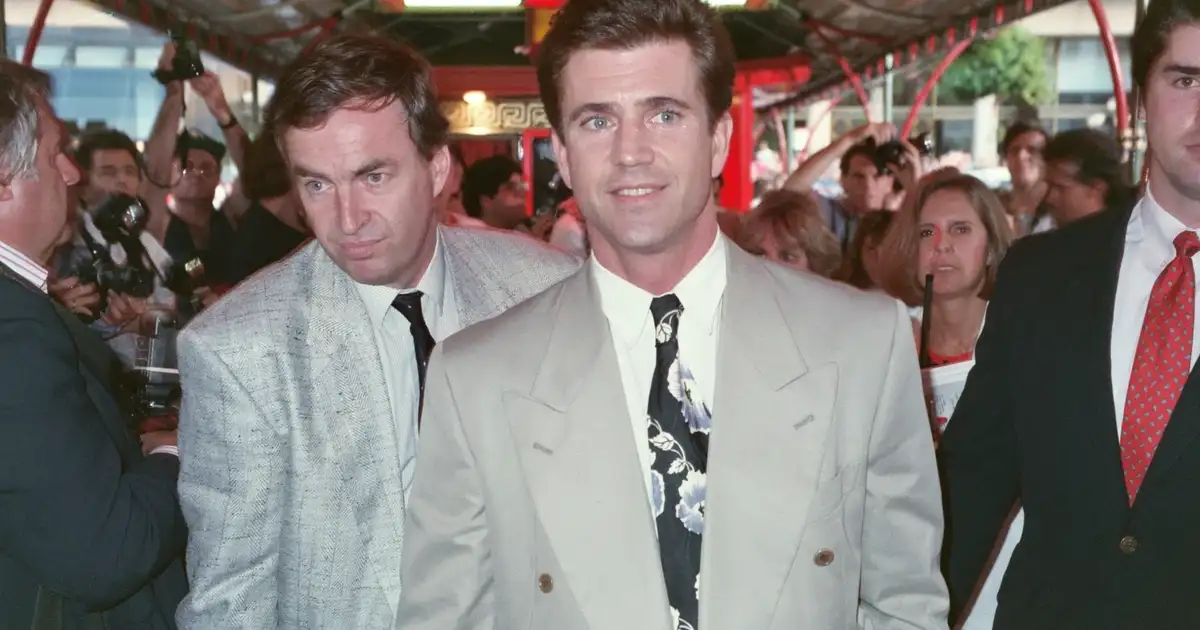

In the brutal arena of cancer treatment, a new, deadly play is being run, and desperate patients are being lured into a high-stakes gamble with their lives. Thanks to actor Mel Gibson’s reckless claims, a dangerous surge of cancer patients are now turning to Fenbendazole, a veterinary dewormer, as their supposed “miracle cure.”
Gibson, on Joe Rogan’s platform, brazenly claimed three friends conquered stage IV cancer using this “20-cent wonder drug.” Let’s be clear: we’re talking about horse paste.

Patients, facing the ultimate opponent, are now abandoning scientifically validated treatments for this unproven animal dewormer. This isn’t just a trend; it’s a full-blown medical crisis, a catastrophic fumble on the field of public health.
The Snake Oil Offensive
The medical community isn’t just “sounding the alarm”; they’re screaming from the sidelines, watching a dangerous game unfold. Cancer patients are self-administering Fenbendazole – a drug designed to deworm animals, not to battle human cancer. To call it a “20-cent wonder drug” is to dangerously mislabel a veterinary product as a human cure, a deceptive play in a desperate game.
This desperate rush stems directly from renewed anecdotal claims, amplified by Gibson’s celebrity megaphone. He didn’t just “state” friends conquered “incurable” diseases; he peddled a narrative that this cheap, off-label drug was their secret weapon. This isn’t just a trend; it’s a wildfire, fueled by a reckless celebrity endorsement that puts lives at risk.
The scale of this dangerous movement is staggering. By May 2026, UK’s Border Force had already seized over 43,000 illicit doses – a statistic reported by The Telegraph that should send shivers down every spine. This isn’t a minor diversion; it’s a full-scale retreat from proven chemotherapy, with patients turning their backs on legitimate science to embrace unproven animal drugs.
The public reaction isn’t merely “split”; battle lines are being drawn. On one side, a vocal minority hails this as a triumphant blow against “Big Pharma,” a naive cheer for a false prophet. On the other, medical professionals, the true defensive line against disease, are screaming about the catastrophic dangers, rightly labeling this whole charade a “horse dewormer psyop” – a dangerous manipulation of public trust.
Doctors Throw a Red Flag
Oncologists aren’t just “furious”; they’re apoplectic, watching their patients fall victim to what they rightly condemn as pure “junk science.” Columbia Public Health issued a scathing indictment, pointing directly to pandemic desperation as the fertile ground for this poison.
Joe Rogan’s colossal platform, boasting 11.5 million views, didn’t just “amplify” this dangerous rhetoric; it launched it into the mainstream, giving it a reach it never deserved.
When AFP fact-checked Gibson’s outrageous claims, what did they find? A resounding zero clinical trials. Let that sink in. Zero. There is absolutely no scientific proof – none – that antiparasitics, designed for malaria and worms, can tackle the complex challenge of human cancer. To suggest otherwise is not just irresponsible; it’s a lie that costs lives, a deadly misinformation blitz.
“This is junk science amplified by pandemic desperation,” a Columbia Public Health spokesperson stated.
The insidious “cancer is a parasite” meme isn’t just “rampant”; it’s metastasizing across Facebook echo chambers, a digital disease spreading faster than any legitimate cure. People aren’t just “posting patient selfies as proof”; they’re offering anecdotal snapshots as a substitute for rigorous medical evidence.
Is a selfie truly a substitute for a clinical trial? This isn’t just dangerous misinformation; it’s a psychological assault on vulnerable patients.
The Canadian Cancer Society didn’t just “issue a stark warning”; they threw a red flag on this entire play. Their chilling analysis: these unproven drugs could actually accelerate tumor spread, turning a desperate gamble into a guaranteed loss. Make no mistake, this isn’t some friendly scrimmage; this is a brutal, winner-take-all contest where the stakes are measured in human lives.
A Desperate Hail Mary, A False Hope
In the face of an overwhelming diagnosis, when the clock is ticking down, who wouldn’t be tempted by a “desperate Hail Mary”? Patients, blindsided by their own mortality, are indeed grasping at every straw.
The seductive promise of a cheap, easy fix – a supposed shortcut to the end zone – offers a potent glimmer of hope. But let’s be crystal clear: this is a mirage, a cruel deception, a false hope that leads only to deeper despair.
Oncologists like Utah’s Skyler Johnson are on the front lines, reporting a truly grim reality. They witness chemotherapy patients, already battling for their lives, practically begging for these unproven “add-ons,” desperate to believe in the fantasy. Johnson and his colleagues fear a “DIY death wave” – a catastrophic consequence when unchecked misinformation isn’t just “taking hold,” but actively strangling the truth.
And then there’s Florida’s “$60M ivermectin cancer fund.” Critics aren’t just “labeling” it a “taxpayer-funded clown show”; they’re calling it what it is: a grotesque misallocation of public funds, a political stunt that actively diverts crucial resources from real research. That $60 million isn’t just “money that should go to legitimate cancer treatments”; it’s precious capital being siphoned away from the very scientists who could be finding actual cures, all to chase a phantom.
The internet’s “Ivermectin cancer frenzy” isn’t merely “alarming”; it’s a predatory offensive, preying on the deepest vulnerabilities of those facing their darkest hours. It dangles a seductive narrative – the classic “Big Pharma is hiding the cure” conspiracy theory – a well-worn playbook designed to sow distrust and push people towards dangerous, unproven alternatives. This isn’t just a theory; it’s a toxic ideology.
Unmasking the Motives
So, why do these dangerous claims gain such traction? It’s a tactical play on human nature. Desperation is not just a “powerful driver”; it’s the ultimate vulnerability.
When staring down the barrel of mortality, people aren’t just “trying anything”; they’re desperate for any glimmer of hope, however false. A celebrity’s anecdote, whispered like a locker-room secret, feels personal, feels like an insider’s truth – a potent psychological weapon against reason.
Gibson’s claims, whether he intended to or not, don’t just “stir the pot”; they ignite a dangerous firestorm. They bestow a false legitimacy upon unproven drugs, dressing up quackery in the guise of medical breakthrough. This isn’t some abstract PR exercise; this is about devastating, real-world consequences. Patients, facing life-and-death decisions, are putting their trust in whispers and anecdotes over the hard-won wisdom of medical science. It’s a betrayal.
And let’s not ignore the bottom line. The actual financial motive is not just “clear for some”; it’s glaringly obvious to anyone paying attention. There are profiteers, predators lurking in the shadows, actively selling these unproven drugs, capitalizing on the rawest human fear. This isn’t just “cynical exploitation”; it’s ghoulish opportunism, building fortunes on the despair of the dying.
Beyond profit, a deeper power motive is also in play. There are those who seek to systematically undermine traditional medicine, to dismantle the very foundations of scientific care. They don’t just “push alternative narratives”; they wage an ideological war, positioning themselves as
Source: Google News