
The silence in Santa Fe’s rural outskirts was shattered, not by a rival’s blitz, but by an unseen, insidious opponent. This full-blown crisis blindsided an entire community, leaving three dead and seven first responders hospitalized. Make no mistake: this mystery substance exposure is a catastrophic failure in our collective defense.
The tragic incident unfolded with chilling speed in a rural area outside Santa Fe. On May 19, 2026, authorities discovered three civilians deceased inside a residence. Within hours, seven emergency personnel were rushed to Christus St. Vincent Regional Medical Center, exposed to an unidentified, highly volatile substance.

As of May 21, 2026, the chemical agent remains a terrifying mystery, a ghost in the backfield that investigators are struggling to identify. This isn’t just a local tragedy; it’s a brutal wake-up call for every community across the nation.
The Unscouted Opponent: A Battle Without a Playbook
First responders, our frontline defense, ran directly into a situation with no playbook. They faced an invisible enemy, a silent killer that offered no warning, no tell. This is like going into overtime without knowing the rules, against an opponent whose very existence defies scouting reports.
These brave men and women put their lives on the line, answering the call with unwavering courage. Now, they are fighting for their health, battling an enemy that has already claimed three lives. This isn’t just the real cost of public service; it’s a stark reminder of the sacrifices we demand from those who protect us.
The very protocols designed to keep them safe were rendered useless against an adversary they couldn’t see, smell, or identify. Every second counted, and without immediate answers, the threat only grew.
Identifying this substance is not merely the top priority; it is the critical game-winning play. Every hour that passes without an answer is a victory for the unknown. Until we identify this chemical agent, the community lives under a cloud of fear.
What else is out there? Where else could this strike? This isn’t just about containment; it’s about understanding the threat, developing a counter-strategy, and preventing the next devastating play.
Community Under Siege: The Pressure Mounts
The rural area near Santa Fe is now on edge, a community under siege by a silent terror. Residents have questions, and they deserve immediate, transparent answers. The lack of concrete information doesn’t just create anxiety; it erodes trust.
How can people feel safe when the very air they breathe might hold a hidden danger?
Local officials are under immense pressure, caught between public demand for answers and the agonizing reality of an unknown threat. They must secure the scene, protect their citizens, and manage the fallout, all while operating in the dark. This is a tough game to win when you don’t know the opponent’s strategy.
Every move is a gamble. The clock is ticking, and the stakes couldn’t be higher.
This incident strains local resources to their absolute breaking point. Hospitals are managing an unprecedented unknown exposure, and hazmat teams are working overtime. Every department is stretched thin, operating at maximum capacity under extreme duress.
The ripple effect extends beyond the immediate scene, impacting schools, businesses, and the mental well-being of an entire populace. The financial burden is immense, with hospital bills, decontamination costs, and long-term care for affected responders adding up quickly. Taxpayers ultimately foot the bill, making a swift, effective resolution not just a moral imperative, but a fiscal necessity.
A National Security Imperative: Bolstering Our Defenses
This New Mexico tragedy is far more than a local story; it’s a national security imperative. It’s a stark, brutal reminder of our profound vulnerability to asymmetric threats. Unidentified chemical agents can emerge anywhere, at any time, transforming ordinary environments into deadly traps.
Are we truly prepared for them, or are we simply waiting for the next devastating blow?
Our first responders, the men and women we task with running into danger, need every tool available. They need advanced, specialized training that anticipates the unseen. They need state-of-the-art equipment, mobile rapid identification labs, and cutting-edge protective gear.
They are our frontline defense against the unexpected. We are failing them if we do not equip them for every conceivable scenario.
The federal government must take immediate, decisive action. Investment in rapid identification technology, research into novel chemical threats, and robust, nationwide hazmat response protocols are not luxuries; they are critical components of our national defense. We cannot afford to be caught flat-footed again, hoping for the best.
This isn’t just a local issue; it’s a glaring gap in our national security strategy. This vulnerability could be exploited by malicious actors or simply arise from unforeseen circumstances.
The financial burden is immense, with hospital bills, decontamination costs, and long-term care for affected responders adding up quickly. Taxpayers ultimately foot the bill, making a swift, effective resolution not just a moral imperative, but a fiscal necessity.
As Dr. Evelyn Reed, Director of the National Chemical Threat Assessment Center, stated in an interview with Reuters, “We are in a race against the unknown.” Every minute without identification means more risk, more potential exposure. “Our current systems, while robust for known threats, are being outpaced by the sheer unpredictability of these emerging hazards.”
“We need a fundamental shift in how we approach chemical defense.” Her words underscore the urgency of the moment.
The Hard Truth: A Call to Action
The reality is harsh, unforgiving, and undeniable. Three lives are gone, extinguished by an invisible enemy. Seven heroes are fighting for recovery, their bodies battling a substance nobody can name.
This isn’t Hollywood fiction; this is raw, terrifying reality. We rely on our first responders to run into danger without hesitation, to be the shield against chaos. But we owe them more than gratitude.
We owe them better intelligence, better protection, and the absolute best defense we can provide.
This New Mexico crisis is a brutal, agonizing lesson. It exposes precisely where our defenses are weak, where our preparation falls short, and where our investments must be directed. It highlights the constant, evolving threat of the unknown, an opponent that doesn’t play by the rules.
We must learn from it, not just by analyzing the immediate fallout, but by fundamentally transforming our approach to emergency preparedness. The alternative? Paying an even higher price next time, a price we simply cannot afford to lose.
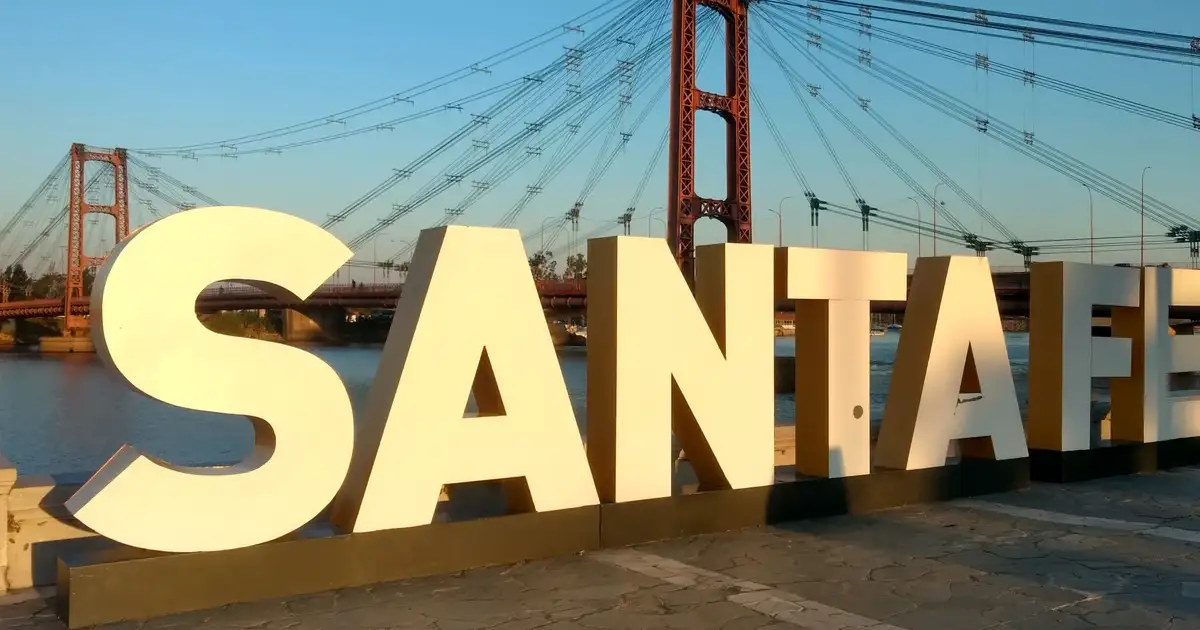
Photo: Wikimedia Commons (query: Santa Fe)
Source: Google News